
Country Selector
What's the Best Soil for Growing Corn?

Corn is a large crop that grows above the floor with a huge root system. It has very deep roots, which are usually found at least three feet below the surface of the soil. The root system is responsible for absorbing water and nutrients from the soil while supporting the plant's stem and leaves.
Numerous types of soil can be used for growing corn, at it thrives in a diverse range of soil types, with some varieties being able to grow even in wetter areas.
What are the 3 Most Important Soil Needs for Growing Corn?
Corn can be grown wide variations in soil types and pH levels within itself as well as between different varieties of corn. This means that even though some areas may meet all of the above requirements for growing corn successfully, other regions may fail to do so because of poor soil quality or natural factors such as flooding or drought conditions — both of which can damage your crop's health and yield potential.
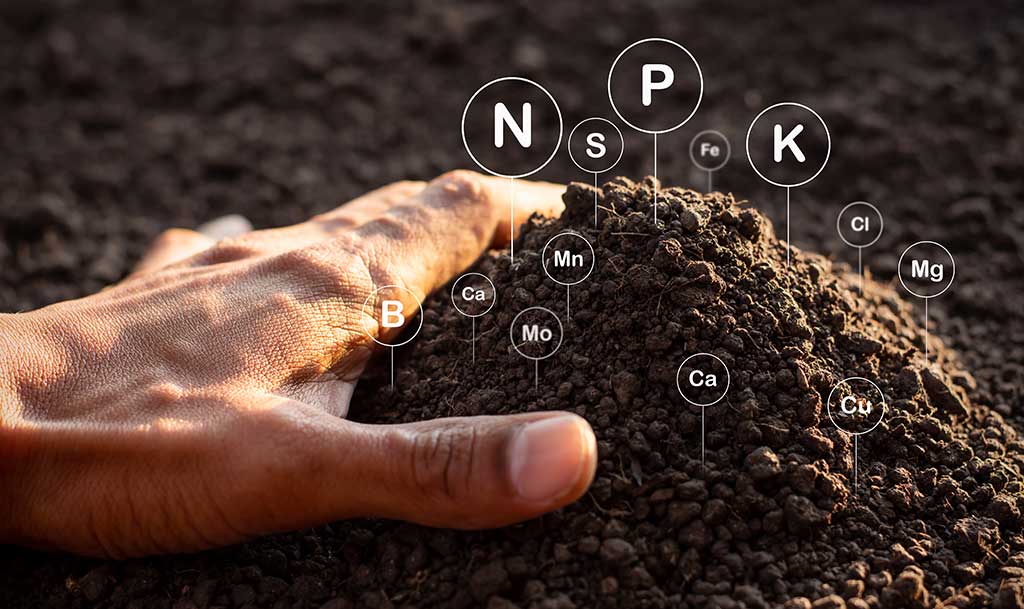
Fertile Soil: Corn requires fertile soil to grow well; otherwise, it won't result in a high yield or good quality of the seeds. Fertile soil contains plenty of organic matter (including dead plant material and animal droppings), as well as minerals such as nitrogen, phosphorus, and potassium (N-P-K). These minerals are essential for healthy growth and development in all plants!
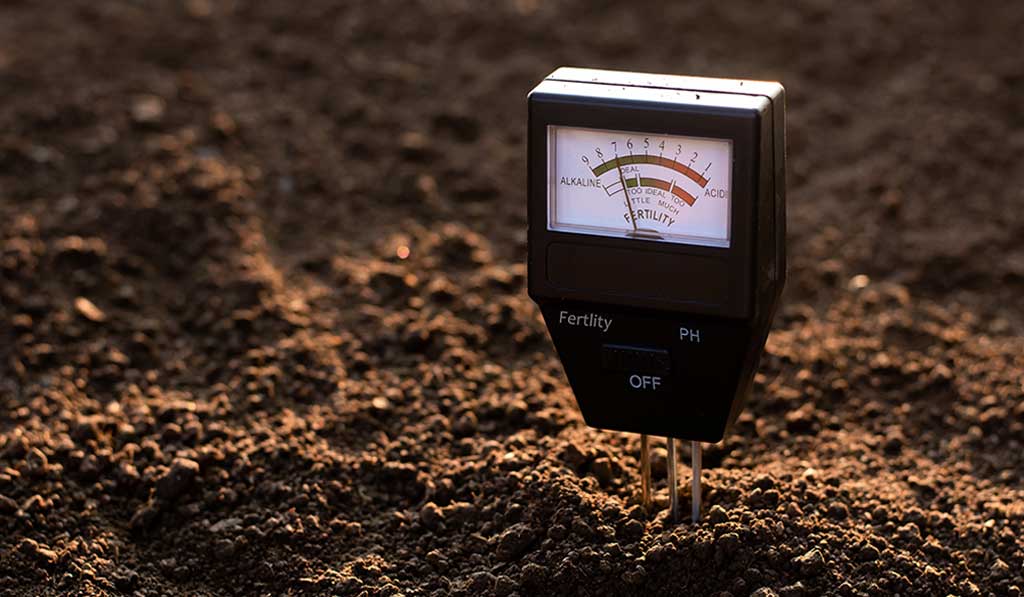
Proper pH Levels: To grow corn in the most optimal setting, the soil need be at a pH level between 6.0 and 7.0 for adequate growth.
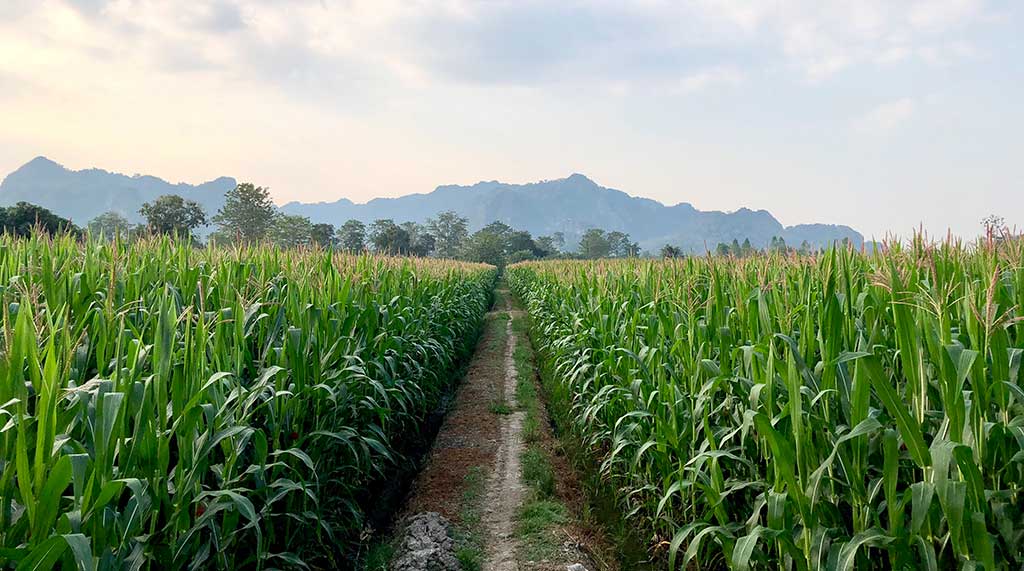
Good Drainage: Corn needs good drainage so it can grow without being washed away by floodwaters or other unwanted circumstances. If there isn't adequate drainage, then the roots will rot and die off, leaving nothing but stalks behind!
What are the Climate Needs for Growing Corn?
Being a warm-season crop, corn needs more heat than other crops to grow. The optimal temperature for corn is between 25 to 35 degrees Celsius. If you live in an area where the climate does not meet these conditions, you can still grow corn. You just need to take steps to protect the crop from extreme cold and dry weather.
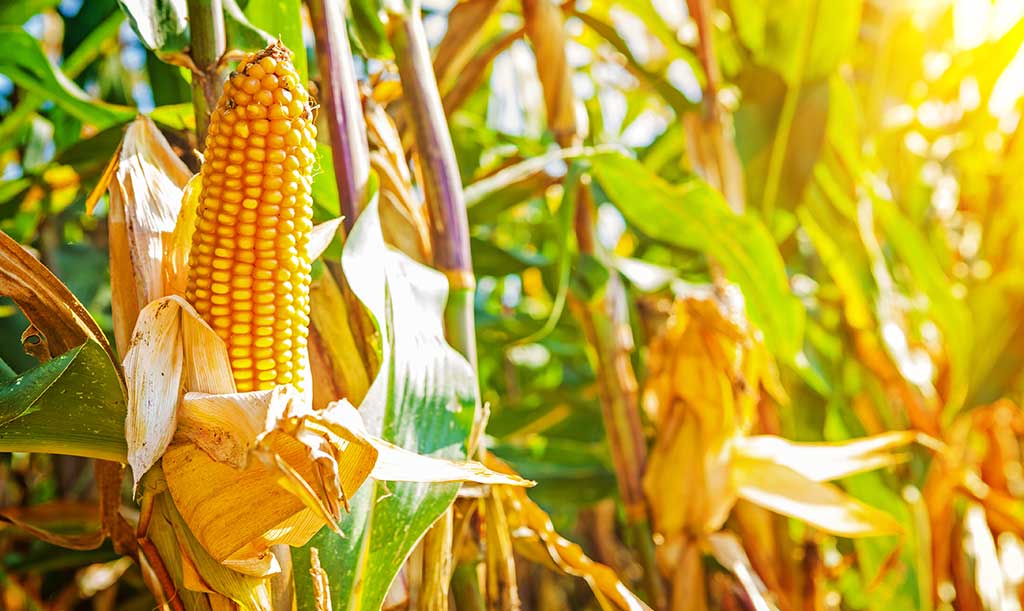
Your corn will likely suffer if you live in an area that gets too hot during the day and too cold at night. Corn requires consistent moisture throughout its growing season — so if you have dry soil or a very hot summer, that could be a problem for your crop.
What are the Corn Humus Needs?
Humus has many different nutrients for healthy soil; however, the most significant one is nitrogen. The main thing to remember about growing corn is that you need a lot of nitrogen in your soil. Nitrogen is what helps plants grow big and strong and produce lots of food for you. It's also what makes corn taste great! Corn needs more nitrogen than other kind of crops because it has such a large root system. So, if you're growing corn, ensure there’s enough nitrogen in your soil to feed your crop!
If you don't have enough nitrogen in your soil, then your plants will struggle to get enough energy from food to support their growth. They might not grow as tall or produce as many kernels as they could if they were given enough resources. This is obviously not good for the plant or its yield — so the best thing to do is give them some extra nitrogen!
What are the Soil Parts Required for Good Corn?
Soil should contain a little water, air, and mineral particles. Water is necessary for plant growth, but not too much or too little. Roots and beneficial soil organisms need air (oxygen). Organic matter (humus and the living organisms that produce it) is a storehouse of certain nutrients and gives the soil a loose, crumbly texture. It reduces erosion, and protects plants from diseases and pests because of antibiotics and inhibitors produced by beneficial bacteria and fungi.
It also helps protect plants from diseases because of antibiotics produced by beneficial bacteria. Some friendly microbes also produce plant growth stimulators; others help feed nutrients directly to roots; others trap nitrogen from the air.
What are the Nutrients Required for Corn Soil?
A plant's health and productivity depend on an adequate and balanced supply of nutrients. These come from the soil, but some are needed in larger amounts (the primary nutrients: nitrogen, phosphorus, potassium, calcium), while others are required in smaller amounts (the secondary and trace elements: magnesium, sulfur, iron, copper, zinc, manganese, and molybdenum).
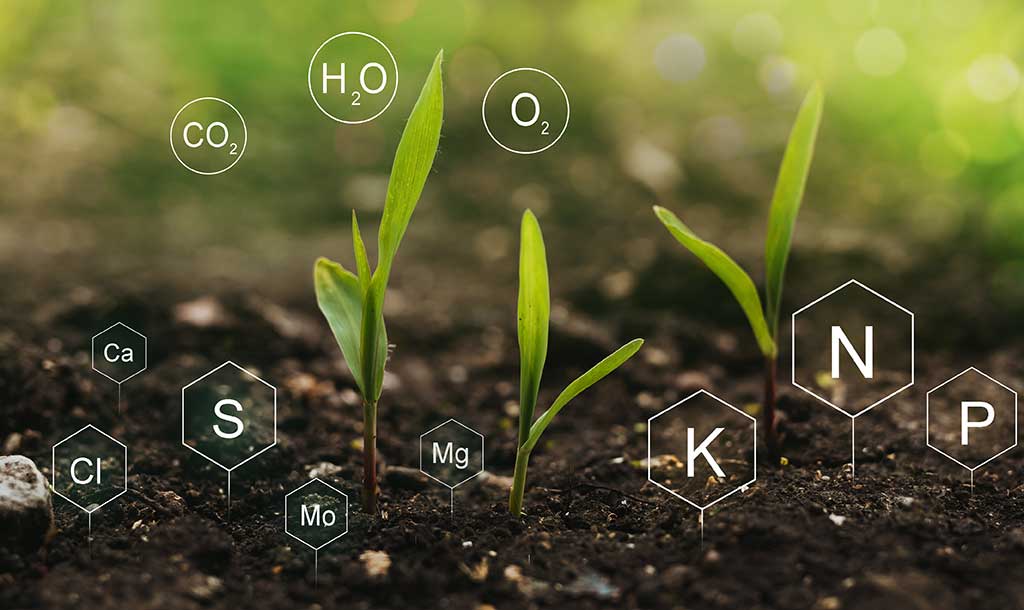
The plant combines these plus carbon, hydrogen and oxygen from the air and water to form carbohydrates (sugars, starch and cellulose), fats, proteins, vitamins, and other miscellaneous products. Photosynthesis (powered by the sun’s energy) and other metabolic processes accomplish these feats.
Corn Needs Suitable Land
Corn requires suitable land for growing, especially if you plan to grow it for its seeds or ears. Corn may not produce well in some areas where there isn't enough rain or precipitation. The topsoil must be fertile and well-drained so that water can drain away from plant roots. Corn also needs good air circulation around its stalk so that moisture can escape during hot summer days without causing wilting or rotting of leaves.
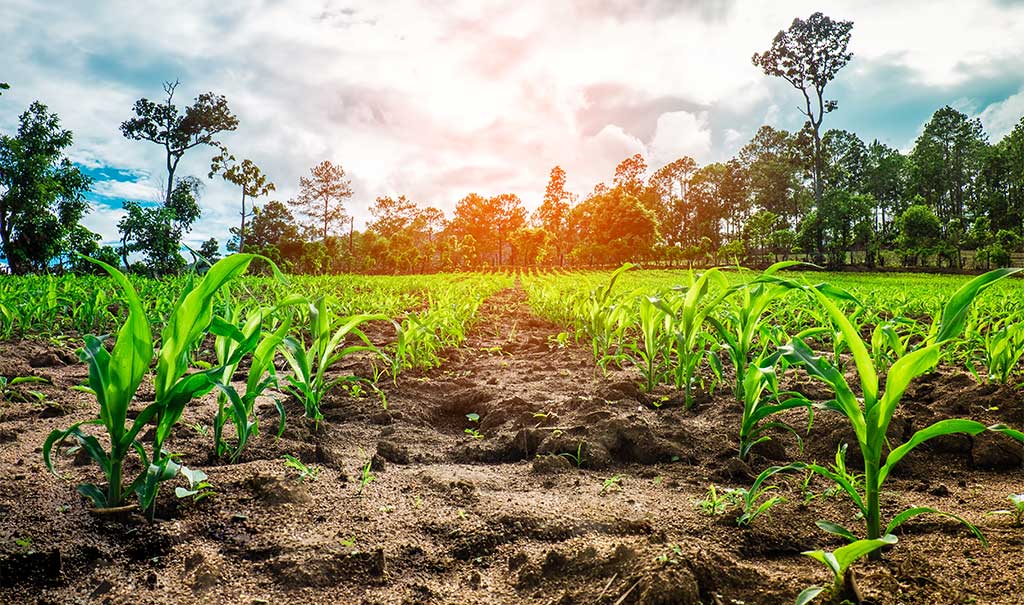
As we have established, corn is a warm-season crop that needs sun and warm weather in order to grow. It also prefers well-drained soils with an optimal pH of 6.0 – 7.0. If your soil isn't up to these requirements, then it will be hard to grow good corn, and you'll probably just end up wasting your time.