
Country Selector
Africa
Asia Pacific
Europe
Latin America and Caribbean
North America
Please enter a valid location
Agronomy
•
2026-02-13
Tips for Growing High Yielding Canola
Key Points
- A plant population of 5-8 plants/ft2 balances economics and reduces risks from pests, weeds, and uneven maturity.
- Select hybrids with strong disease resistance, appropriate maturity for your region, and enhanced pod shatter performance where straight cut harvesting is a possibility.
- In a comprehensive crop rotation, it is recommended to alternate between herbicide systems to manage herbicide resistant weeds as well as volunteer canola.
- Aiming for 60 bu/acre
- 1. Plant Population and Seeding Practices
- 2. Hybrid Selection and Traits
- 3. Nutrient Management
- 4. Pest and Disease Management
- 5. Harvest Timing and Method
- 6. Environmental and Management Factors
Aiming for 60 bu/acre
- Achieving a 60 bu/acre canola crop is an ambitious but attainable goal for Canadian growers committed to best management practices.
- Success depends on making informed decisions at every stage—from hybrid selection and fertility planning to pest management and harvest timing.
- By combining strong genetics with precise agronomy and careful record keeping, you can maximize canola yield potential and profitability.
- The following guidelines outline key steps and considerations to help you achieve top-end canola yields and profitability on your farm.
1. Plant Population and Seeding Practices
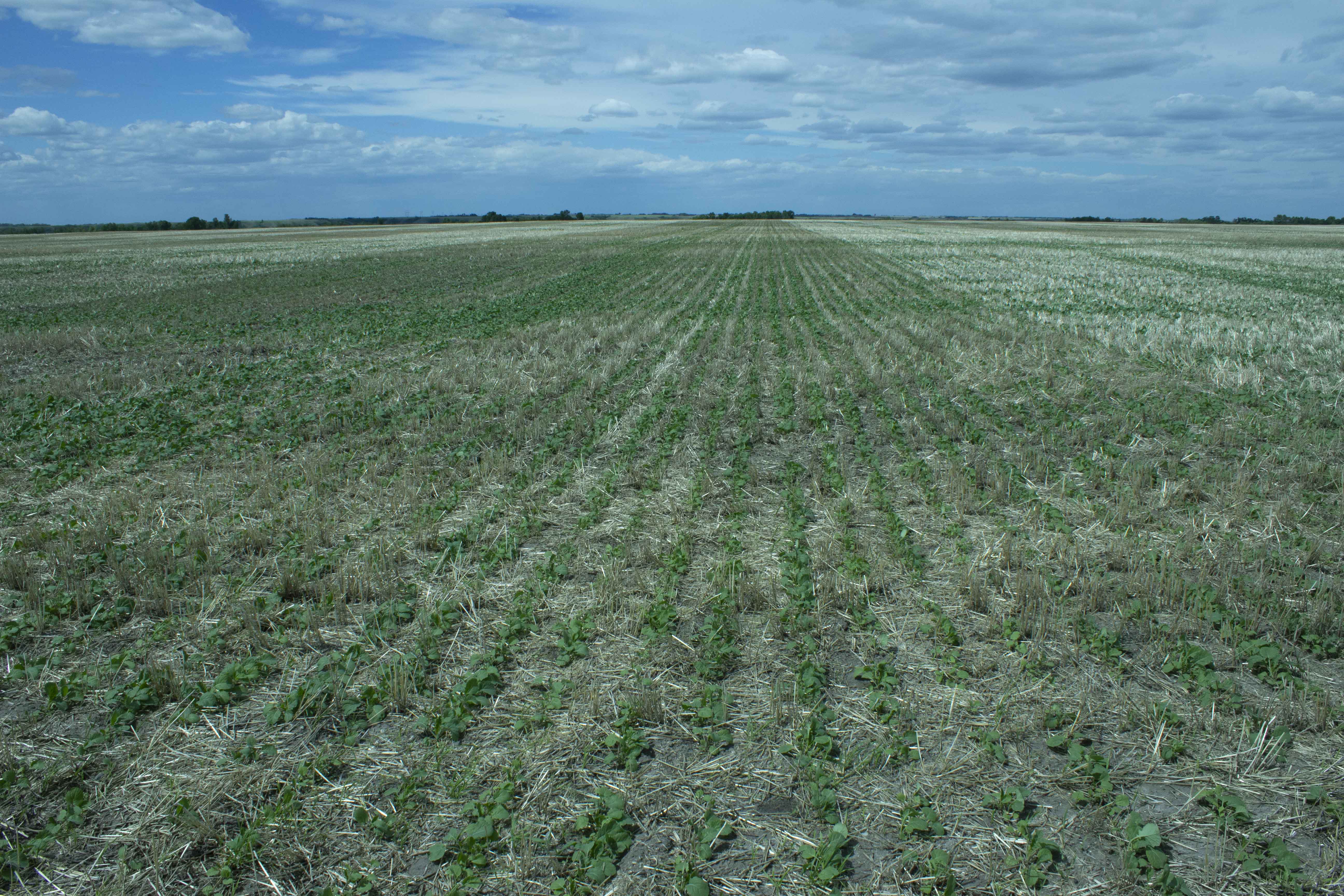
- Target 5-8 plants per square foot for optimal yield potential. This range balances economics and reduces risks from pests, weeds, and uneven maturity. Lower populations (<5 plants/ft²) make crops vulnerable to stress and delay maturity.
- Uniform emergence is critical. Ensure proper seeding depth (½-1 inch), consistent seed placement, and aim for ~4 mph seeding speed to ensure adequate furrow closure and seed/soil contact.
- Avoid canola-on-canola stubble; yields may drop significantly (~10-20% yield difference1) when seeded into canola stubble versus cereal stubble.
2. Hybrid Selection and Traits
- Select hybrids with strong disease resistance (blackleg, clubroot, sclerotinia, verticillium), appropriate maturity for your region, and enhanced pod shatter performance where straight cut harvesting is a possibility.
- Pioneer’s Pod Shatter Premium Technology brings confidence to straight-cut harvesting, enables harvest management decision flexibility and superior yield potential.
- Pioneer’s internal trials showcase high yielding hybrid options for broad Western Canada adaptation, complemented by early/mid/late maturity options and disease protection against blackleg, clubroot, sclerotinia, and verticillium stripe.
- Pioneer hybrids support a multi-hybrid strategy to mitigate risk and optimize yield and profitability across Western Canada.2
3. Nutrient Management
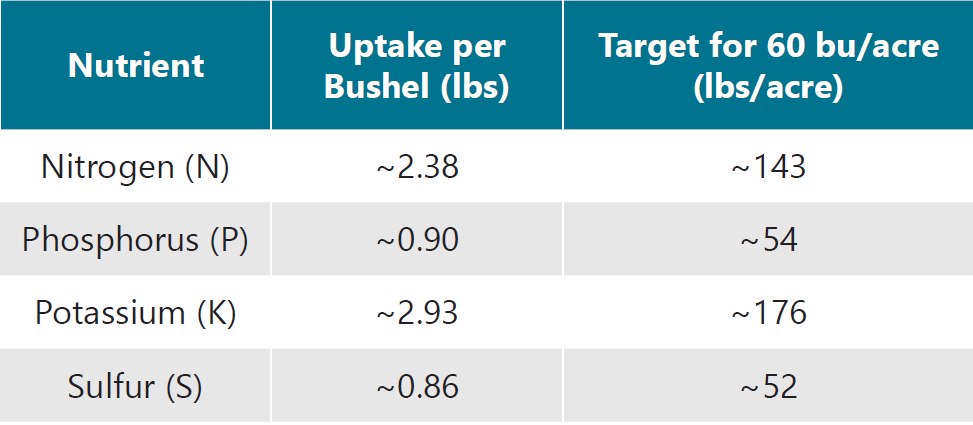
- Canola is a high-value crop with significant nutrient demands, particularly nitrogen, phosphorus, potassium, and sulfur.
- Applying the 4R principles—Right Source, Right Rate, Right Time, and Right Place—ensures nutrients are used efficiently, supporting optimal yield and oil quality while minimizing environmental impact.
- Proper nutrient management reduces losses to air and water, improves soil health, and maximizes return on investment.
- Table 1 shows the recommended canola fertilizer guidelines.
- Micronutrients are equally important to the success of a high producing crop and should be factored into fertility recommendations.
- Adjustments based on soil test results and other factors such as nutrient placement/timing/source/method, should always be factored into a successful fertility program.
- Consult with your local agronomist or fertilizer supplier on a soil testing plan and nutrient recommendations for your farm.
Table 1. Canola nutrient uptake targets for a 60 bu/acre crop.4
4. Pest and Disease Management
- Western Canadian canola crops may experience flea beetle, sclerotinia, blackleg, and verticillium stripe infections on a yearly basis.
- Clubroot, as well as insects such as cutworms, diamondback moth, and others may also cause yield reductions if present.
- Use disease resistant hybrids and seed treatments as part of an effective management plan. Consider a 1 in 3- or 4-year canola crop rotation to increase yield and profitability expectations for all phases of the crop rotation.5
- Manage volunteer canola aggressively; it hosts diseases and competes for nutrients.
- Harvest losses can add ~1.3 bu/acre of seed to the seedbank, persisting for years.6 Ensure effective harvest management practices are followed (e.g., combine settings, harvest timing, etc.). In a comprehensive crop rotation it is recommended to alternate between herbicide systems.
5. Harvest Timing and Method
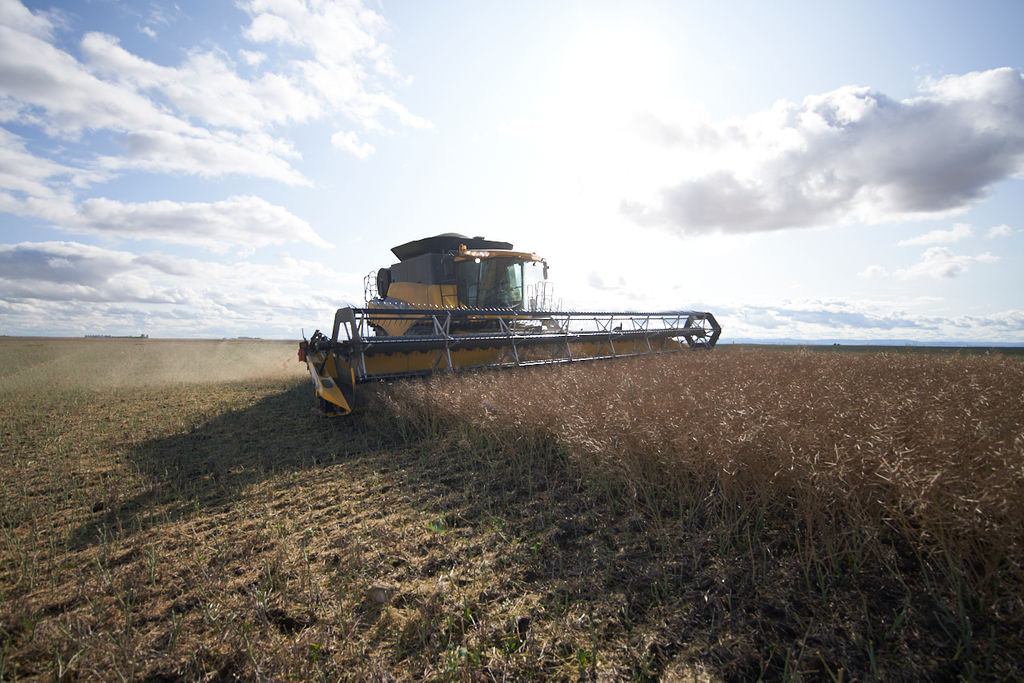
- Swathing at 60-70% (or later) seed colour change optimizes yield and quality if crop staging is uneven or frost risk is high. It is a preferred harvest management method to even out harvest risk during a challenging fall.
- Pioneer field-scale trials show that canola swaths can be harvest ready as much as 6-7 days sooner than straight cut in the same field.
- Straight-cutting canola at ~10% seed moisture often delivers efficiency in manpower and equipment costs but comes with risk associated with challenging environmental conditions that could result in pod shatter and/or drop, thereby reducing overall yield and profitability.
- Factor in the cost of desiccation when comparing straight-cut vs swathing on your farm. Avoid harvest delays beyond 90% SCC or 10% seed moisture content to minimize shatter losses.
6. Environmental and Management Factors
- Include both Optimum® GLY and LibertyLink® traited canola on your farm as an effective way to manage herbicide resistant weeds as well as volunteer canola.
- Maximize soil moisture retention through residue management and reduced tillage.
- Manage weeds early to reduce yield robbing competition.
- Consider a multi-hybrid approach for disease-prone or early-maturity zones.
Sources
1https://www.canolacouncil.org/canola-encyclopedia/field-characteristics/crop-rotation/
2https://www.pioneer.com/ca-en/product-catalog/crop-canola.html
3https://www.canolacouncil.org/canola-encyclopedia/4r-nutrient-stewardship-practices/
4https://www.canolacouncil.org/canola-watch/fundamentals/how-much-fertilizer-does-canola-need/
5https://cdnsciencepub.com/doi/full/10.1139/cjps-2017-0292
6https://canadianagronomist.ca/canola-harvest-losses-can-be-high/