
Country Selector
Please enter a valid location
6/20/2025
Soybean Aphid Management

Crop Insights
Written by Debora Montezano, Ph.D., Pioneer Agronomy Research Manager
Key Points
- The soybean aphid is a major pest of soybean crops in the North Central U.S., potentially causing up to 40% yield loss.
- Native to Asia, the soybean aphid was first detected in North America in 2000 and has since become a persistent issue for soybean farmers.
- The soybean aphid has a complex life cycle involving both asexual and sexual reproduction, and can produce up to 18 generations in a season.
- Soybean aphid development is strongly influenced by environmental factors, with ideal temperatures between 77-82°F for population growth. Extreme heat above 95°F slows reproduction.
- Soybean aphids can feed on all parts of the plant, causing leaf distortion, yellowing and stunted growth.
- Soybean aphids produce honeydew, which promotes sooty mold growth, reducing photosynthesis.
- The primary management strategy for soybean aphid is regular scouting, followed by insecticide applications when the population exceeds the economic threshold.
- Natural predators, parasitoids and pathogens can help suppress soybean aphid populations and are beneficial in maintaining aphids population below the economic threshold.

- Introduction
- Life Cycle
- Identification
- Favorable Conditions
- Damage to Soybean
- Managing Soybean Aphid
- Natural Enemies
- Host Plant Resistance
- References
Introduction
The soybean aphid (Aphis glycines) is a major pest of soybean in the North Central United States, capable of reducing yields by up to 40% if left unmanaged (Figure 1).
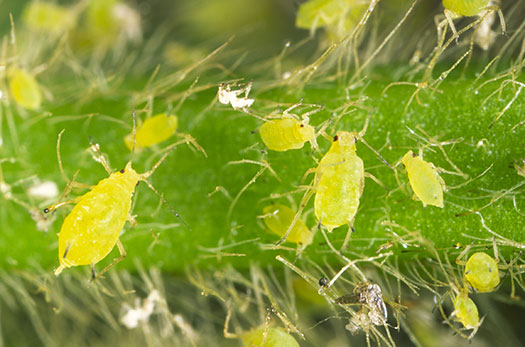
Figure 1. Soybean aphids on the stem of a soybean plant.
Native to Asia, it was first detected near Lake Michigan in 2000 and has since become a persistent and economically significant threat to Midwest soybean production (Ragsdale et al., 2004) (Figure 2). Soybean aphids feed by extracting plant sap, causing localized tissue damage and physiological stress. Their feeding leads to leaf distortion, stunted growth, and ultimately reduced yield.
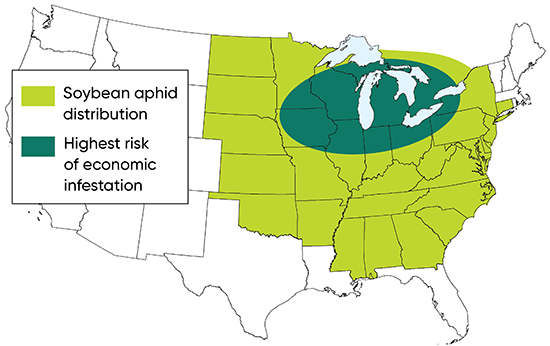
Figure 2. Soybean aphid distribution and area of greatest risk for soybean production in North America.
Understanding the biology and life cycle of the soybean aphid is essential for anticipating population trends and applying timely management practices. Its complex life cycle, which includes multiple generations and two host plants, enables rapid population growth and field-wide colonization under favorable conditions. An integrated management approach, combining field scouting, economic thresholds, selective insecticide use, and conservation of natural enemies, offers the most reliable strategy for minimizing aphid-related yield loss.
Life Cycle
The life cycle of the soybean aphid is highly optimized for rapid population growth and is also complex, involving two different physical forms – wingless and winged – and two host plants (Figure 3).
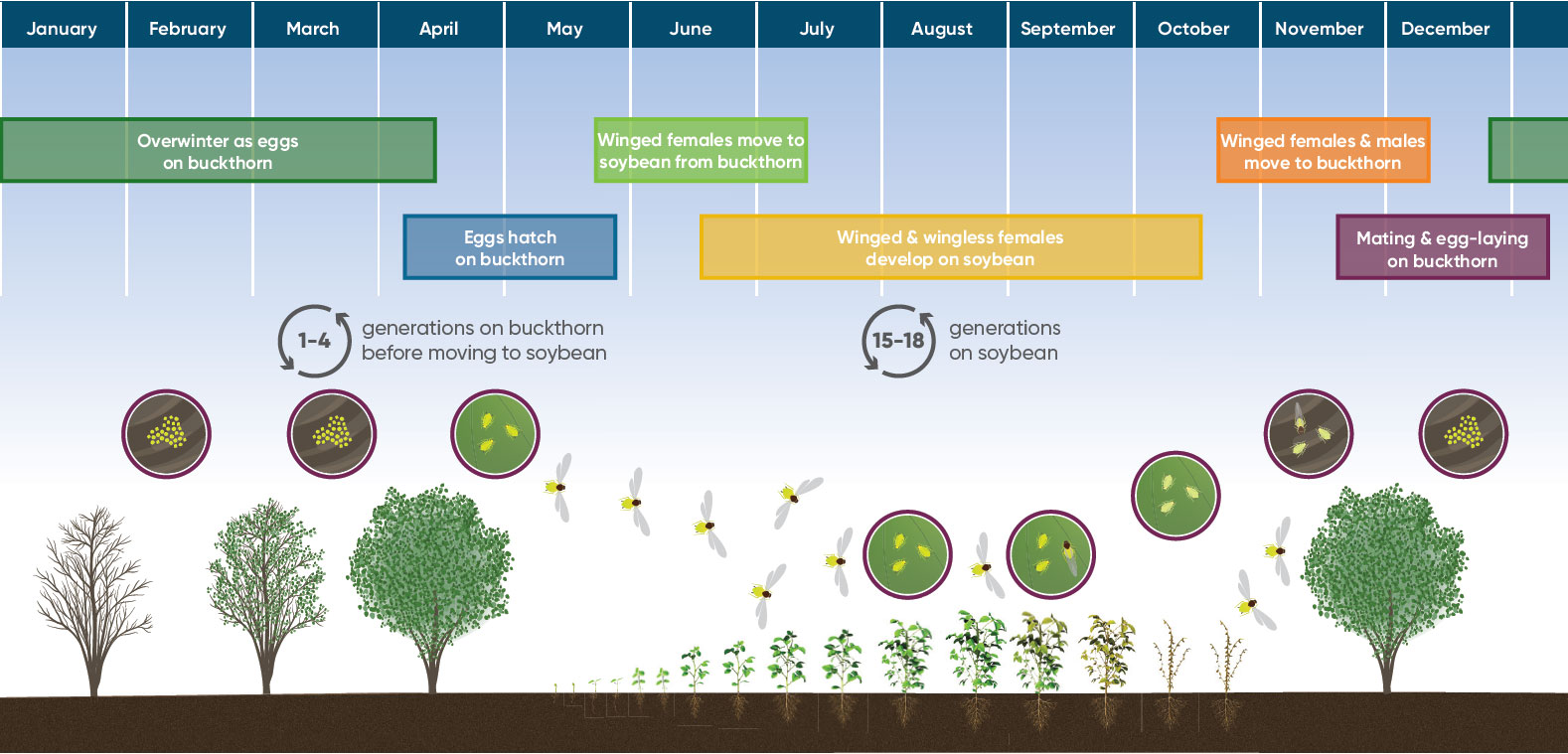
Figure 3. Soybean aphid lifecycle. Click here or above to view a larger image.
The primary host for soybean aphids is buckthorn (Rhamnus spp.) (Figure 4), while soybean is considered a secondary host. Buckthorn is a deciduous shrub commonly found in shelterbelts and woodlands across northern states and plays a crucial role in the soybean aphid life cycle, serving as the overwintering host when soybean plants are not available.
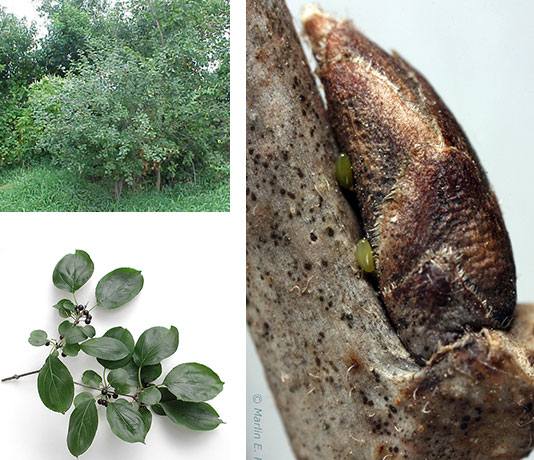
Figure 4. Top left: Common buckthorn plant (Rhamnus cathartica), the primary host for soybean aphid. Bottom left: Close up of leaves and berries of common buckthorn. Right: Bud on a common buckthorn branch with two soybean aphid eggs visible on it. The eggs overwinter on buckthorn and will hatch the following spring.
During the growing season, soybean aphids produce approximately 15 asexual generations on soybeans and three or more generations on buckthorns, reaching up to 18 generations per season (Figure 3). On soybean plants, soybean aphids reproduce parthenogenetically, meaning without mating. During this reproductive phase, the population consists entirely of females, each capable of cloning themselves and producing 3 to 8 offspring. Reproductive rate will vary depending on temperature. These offspring are born pregnant, further accelerating the aphid population’s growth. This reproductive strategy reflects a highly refined system that drives rapid and large-scale population buildup under favorable conditions.
Throughout the summer, several generations of wingless female aphids develop on soybean plants. As late summer and early fall approach, winged females and males are produced. The main causes and the rate at which aphids produce winged offspring are still under investigation; studies suggest multiple factors may be involved, including increased population density, plant nutrition, temperature, plant phenology, and the presence of predators. The winged offspring are produced to facilitate population spread, colonization of other areas of the field and movement to overwintering locations. They may disperse actively by flight or passively via wind currents.
| The reproductive strategy of soybean aphid is highly refined to drive rapid population buildup. |
By the end of the soybean growing season, winged soybean aphids migrate back to their primary host, buckthorn, in a process regulated by photoperiod and temperature. Winged females leave soybeans to find buckthorn trees, where they feed and lay wingless, sexual females. Mating occurs when winged males from soybeans locate these wingless sexual females on buckthorn, followed by the deposition of overwintering eggs along buckthorn buds (Figure 4).
Identification
Adult soybean aphids can occur in two different forms, wingless or winged. The wingless soybean aphid has a distinctive pear-shaped body, measuring approximately 1/16th inch (1.5 mm) in length. Its color ranges from pale yellow to vibrant lime green, providing excellent camouflage on soybean plants. Later in the season, some aphids may appear pale and smaller due to the decrease of plant nutrients. A notable characteristic of adult wingless aphids is the presence of dark-tipped cornicles, resembling tiny tailpipes, located at the rear of their body (Figure 5). In contrast, winged soybean aphids have a darker thorax (central body segment) and cornicles, accompanied by transparent wings that extend noticeably beyond their abdomen (Figure 6).
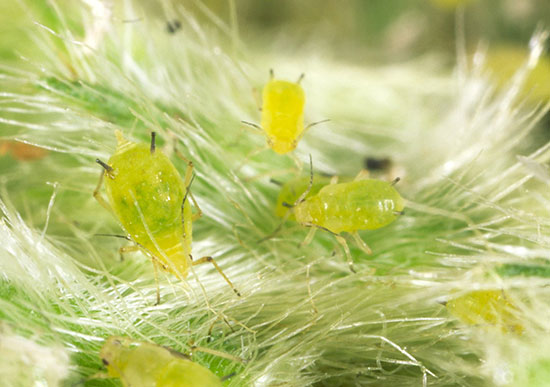
Figure 5. Closeup of wingless soybean aphids with the characteristic dark-tipped cornicles resembling tailpipes at the rear of their bodies.
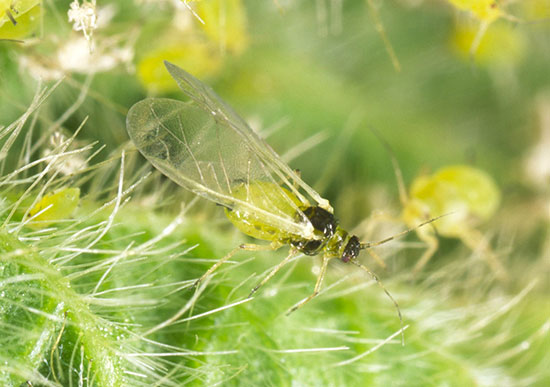
Figure 6. Winged soybean aphid.
Look-Alike Species
Several insects can be mistaken for soybean aphids, making it important to understand their differences for effective scouting. The most common look-alike is the potato leafhopper nymph (Empoasca fabae), which is often misidentified as a soybean aphid due to its small size and similar light green color (Figure 7). There are some distinct differences that set them apart and are important to know to conduct effective scouting.
- Body shape: Soybean aphids are pear-shaped with small heads and large abdomens, whereas potato leafhoppers are triangular-shaped with large heads and tapered abdomens.
- Physical features: Aphids have cornicles at the end of their abdomen, while potato leafhoppers have hairy legs, white eyes, and no cornicles.
- Behavior: When disturbed, soybean aphids remain still, whereas potato leafhoppers will move or jump away.
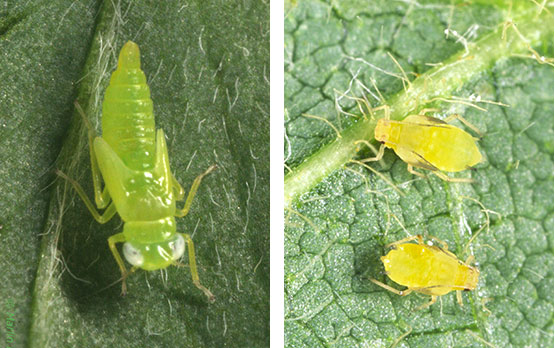
Figure 7. Potato leafhopper nymph (left), which can be mistaken for soybean aphid (right).
Favorable Conditions
| Soybean aphid outbreaks occur sporadically and are primarily influenced by climatic factors. |
Environmental conditions are key drivers of the annual population dynamics of soybean aphids. While the presence of buckthorn, the primary overwintering host, is relatively constant from year to year and serves as a critical foundation for aphid survival, large-scale outbreaks across the Midwest occur sporadically and are primarily influenced by variable climatic factors. Mild winters and favorable temperatures during the growing season promote higher overwintering survival, rapid reproduction, and extended population growth, ultimately leading to significant field infestations.
Soybean aphid development is optimal within the range of 77-82°F (25-28°C). Research conducted by the University of Minnesota revealed that temperatures above 95°F (35°C) severely limit soybean aphid reproduction and reduce individual aphid survival to less than 10 days (McCornack et al., 2004). In contrast, ideal temperature conditions (77-82°F) enable soybean aphids to live for 20 or more days and maximize reproduction.
Monitoring environmental conditions, particularly temperature trends, is essential for predicting and managing soybean aphid infestations efficiently.
Damage to Soybean
Soybean aphids primarily feed on the underside of newly emerged leaves of soybean plants (Figure 8), where nutrient concentrations are highest. As populations grow, aphids spread throughout the plant, feeding on various tissues.
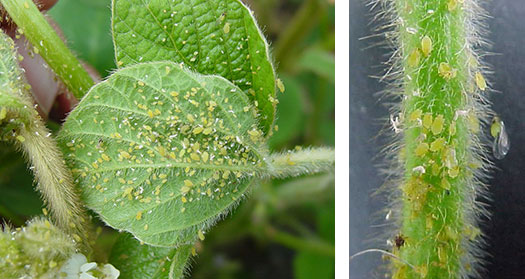
Figure 8. Soybean aphids colonizing multiple parts of the soybean plant, including leaves and stems, demonstrating their ability to feed across the entire canopy.
Factors Influencing Soybean Aphid Populations
- Temperature: Soybean aphids thrive in moderate temperatures, with optimal population growth occurring between 77-82°F. Extreme heat, particularly above 95°F, can slow reproduction and increase mortality.
- Rainfall: Intense rainfall can physically dislodge aphids from plants, reducing their numbers. However, unless rainfall is prolonged or frequent, aphid populations often recover quickly.
- Moisture: Moderate moisture levels support healthy plant growth, indirectly benefiting aphids by ensuring a stable food source. However, excessive moisture can promote fungal pathogens that reduce aphid survival.
- Natural Enemies: Predators like lady beetles, lacewings, and pirate bugs, along with parasitoid wasps and fungal pathogens, play a crucial role in aphid population control. Disruptions caused by overuse of insecticide or environmental changes can decrease these natural defenses, leading to aphid outbreaks.
Equipped with needle-like mouthparts, soybean aphids extract plant nutrients, causing localized leaf tissue damage and disrupting plant physiology. Their feeding activity produces honeydew, a sugary substance that promotes sooty mold growth on leaf surfaces (Figure 9), reducing photosynthetic capacity.
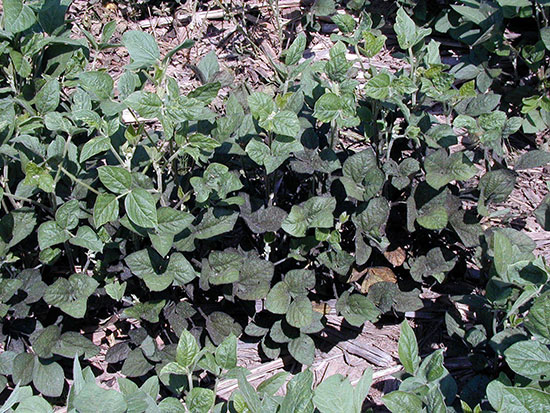
Figure 9. Honeydew accumulation from high aphid populations. Heavy aphid infestations result in visible honeydew deposits on soybean leaves, which can lead to sooty mold development and reduced photosynthesis.
Aphid feeding leads to various plant injuries including yellowing and distortion of leaves, stunted plant growth, leaf puckering and warping, reduced pod and seed counts, aborted flowers or pods, reduced plant vigor and growth rates, internode shortening, and plant dwarfing (Figure 10).
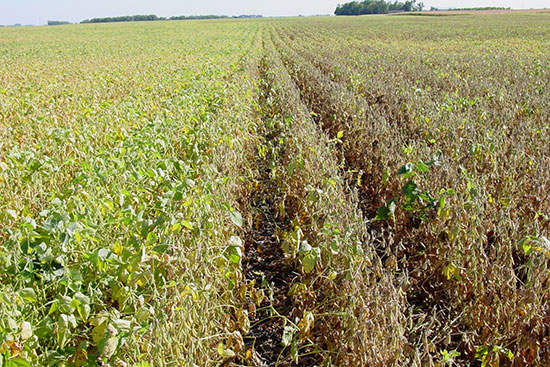
Figure 10. Visible soybean damage from untreated aphid infestations. Field comparison showing significant plant stress and early senescence in untreated soybean (right), contrasted with healthier plants in the treated area (left).
Furthermore, soybean aphids can transmit several plant viruses, such as soybean mosaic virus, alfalfa mosaic virus, and others. There are no studies indicating that these viral diseases significantly impact soybean yield; therefore, they have not been considered in aphid management strategies.
As with many fluid-feeding insects, soybean aphid-induced plant injury can remain undetected until severe symptoms and yield loss occur. Regular scouting is crucial when soybean aphid populations are expected allowing timely detection for proper management.
Managing Soybean Aphid
Scouting
Current management recommendations for soybean aphids emphasize scouting and threshold-based application of foliar insecticides. To reduce the risk of economic injury, regular sampling during the growing season is crucial for tracking population growth rate and informing timely management decisions. Starting in June, it is recommended to monitor how populations are progressing on a weekly basis. If weather conditions are favorable for aphid population growth, more frequent scouting is recommended, as population can double quickly under ideal conditions.
| The recommended treatment threshold for soybean aphid is 250 aphids per plant and growing with over 80% of plants infested. |
The recommended treatment threshold is 250 aphids per plant and increasing, with over 80% of plants infested. This threshold is based on academic research that considered aphid population dynamics, potential yield loss, and the effectiveness of timely insecticide applications (DiFonzo, 2016; Koch et al., 2016). Fields approaching this threshold should be closely monitored to make timely insecticide application decisions. The 250 aphid per plant threshold is considered quite cautious, as it takes population levels nearly double that to cause measurable loss of soybean yield. There is no biological or economic justification for spraying at population levels below the recommended threshold (DiFonzo, 2016; Varenhorst et al., 2020).
To ensure comprehensive coverage of the field, it is recommended to use an M (zigzag) pattern scouting approach and to sample at least 20-30 individual plants per field, while avoiding sampling from field edges. This method allows informed decisions based on the field as a whole, rather than relying on small and potentially biased samples. When scouting individual plants, start at the base and inspect upward, thoroughly examining stems and leaves.
The recommended economic threshold should be used up through the R5 soybean growth stage. Due to changes in plant physiology, such as reduced production of new leaves and an increase in older tissue, soybeans at the R6 growth stage exhibit a higher tolerance to soybean aphid infestations. Additionally, because of the biology and behavior of aphids, infestations during late reproductive stages are uncommon. Consequently, no economic threshold has been established for aphid management in R6 soybeans. However, in years with severe outbreaks, yield losses may still occur during early R6.
Spraying Considerations
Once the threshold is reached, it’s important to continue monitoring to determine if the population is growing or stabilizing. This threshold serves as a trigger to prepare for potential insecticide application within seven days or less, depending on population growth rates. If conditions are ideal for aphid growth, this timeframe may be shorter.
It is essential to avoid spraying at low population levels, as damage to crops typically occurs at higher aphid densities. Spraying too early can lead to wasted money and insecticide, as well as accelerate development of resistance in insect populations. Instead, continue scouting fields with lower infestations to make informed, economically smart application decisions. This approach helps minimize unnecessary chemical use and preserves beneficial insects.
Avoiding insecticide applications at low infestation levels is critical, as it gives natural enemies, such as predators, parasitic wasps, and fungal pathogens, a chance to control aphid populations. Allowing these organisms to act can often decrease the need for chemical control (DiFonzo, 2016).
Insecticide Options
When insecticide application becomes necessary to protect soybeans against soybean aphids, it is important to carefully evaluate and select the most suitable options. While various products are available on the market for aphid control, most fall into three primary chemical classes: organophosphates, pyrethroids, and neonicotinoids. However, many products share the same active ingredient group, effectively limiting chemical diversity and increasing the risk of resistance development.
Soybean aphid resistance to pyrethroid insecticides began emerging around 2015, and in recent years, multiple studies have confirmed resistance through laboratory bioassays and field trials. These studies have documented reduced field efficacy of pyrethroids in numerous regions (Hanson et al., 2017; Menger et al., 2022; Knodel and Beauzay, 2024).
In response, the industry has introduced insecticides with novel modes of action, such as sulfoximines, butenolides, and pyropenes, offering targeted aphid control and improved resistance management (Table 1). For example, sulfoxaflor (Transform WG® by Corteva Agriscience) has shown excellent efficacy against soybean aphids and causes less disruption to beneficial insect populations compared to broad-spectrum pyrethroids (Tran et al., 2016).
Table 1. Foliar insecticide products for soybean aphid management.
| Insecticide Name | Active Ingredients | Active Pyrethroid | IRAC MOA Groups | Mode of Action | Rate |
|---|---|---|---|---|---|
| Sefina® | afidopyropen | 9D | TRPV (transient receptor potential vanilloid) channel modulator | 3.0 fl oz/Ab | |
| Sivanto® Prime | flupyradifurone | 4D | nAChR agonist (butenolide class) | 7.0-14.0 fl oz/Ab | |
| Transform® WG | sulfoxaflor | 4C | nAChR modulator (distinct from neonicotinoids) | 0.75-1.0 fl oz/Ab | |
| Endigo® ZC | lambda-cyhalothrin + thiamethoxam | lambda-cyhalothrin | 3A+4A | sodium channel modulator + nAChR agonist | 3.5-4.0 fl oz/Ab |
| Leverage® 360 | beta-cyfluthrin + imidacloprid | beta-cyfluthrin | 3A+4A | sodium channel modulator + nicotinica acetylcholine receptor (nAChR) agonist | 2.8 fl oz/Ab |
| Renestra® | alpha-cypermethrin + afidopyropen | alpha-cypermethrin | 3A+9D | sodium channel modulator + TRPV (transient receptor potential vanilloid) channel modulator | 6.8 fl oz/Ab |
| Ridgeback® | bifenthrin + sulfoxaflor | bifenthrin | 3A+4C | sodium channel modulator + nAChR modulator (distinct binding site from 4A) | 8.6-10.3 fl oz/Ab |
Foliar Insecticide Selection and Considerations
- Insecticide Mode of Action (MOA): Use an insecticide with a proven MOA against aphids and rotate different MOA when possible. This helps prevent resistance buildup and maintains long-term control options.
- Residual Activity: Some insecticides offer extended residual control, reducing the need an additional application. Shorter residual insecticides require additional monitoring to determine if reapplication is necessary.
- Selectivity and Impact on Beneficial Insects: Avoid broad-spectrum insecticides that harm beneficial insects. Using selective products helps maintain a balanced ecosystem and supports natural aphid suppression.
- Application Timing and Coverage: Apply insecticides only when aphid populations exceed the economic threshold to maximize cost-effectiveness. Ensuring thorough coverage of plant surfaces enhances efficacy.
- Weather and Environmental Considerations: Avoid spraying during windy conditions to minimize drift and off-target impact. Temperature and humidity also affect insecticide performance and evaporation rates.
- Pre-Harvest Interval (PHI) and Label Compliance: Scout fields up to the R5 stage to avoid late-season treatment challenges. PHI for insecticides labeled for soybean aphid ranges from 7 to 60 days. Late-season applications require insecticides with a short PHI, especially for early maturity soybean varieties.
- Tank Mixing with Herbicides: Adding an insecticide to an early herbicide application is not recommended because it may reduce beneficial insects. This can also result in suboptimal timing for both weed and insect control.
- Post-Application Monitoring: Continuing to monitor soybean aphid populations after insecticide application is crucial to evaluate the effectiveness of the treatment and to detect potential signs of insecticide resistance.
Pyrethroids are currently not recommended for aphid control unless other pests – such as caterpillars, grasshoppers, or bean leaf beetles, which pyrethroids effectively control – also exceed economic thresholds. In fields with mixed infestations, products that combine pyrethroids with other active ingredients effective against soybean aphid may be considered. However, this approach should be reserved for situations where multiple pest thresholds are met.
To ensure effective pest control and delay resistance development, always consider pest thresholds, active ingredient mode of action, spectrum of activity, and impact on beneficial species when selecting insecticides. Preemptive insecticide treatments made prior to reaching the economic threshold or application of broad-spectrum insecticides can unintentionally increase aphid pressure or cause secondary outbreaks of soybean aphids and other pests, such as spider mites, due to the reduction or elimination of natural enemies.
Insecticide Seed Treatments
Some insecticidal seed treatments are labeled for soybean aphid control and have shown efficacy – especially when fields are planted late – providing protection for about 30 to 40 days after planting. Research has demonstrated seed treatment effectiveness in reducing early aphid infestations and improving early plant vigor, contributing to healthier stands. However, it is important to recognize the limitations of seed treatments. They are not a season-long solution for aphids since late infestation or reinfestation can occur.
The timing of soybean planting relative to aphid colonization is a key factor in determining the effectiveness of seed treatments. Fields with a history of early soybean aphid infestations, those near abundant overwintering hosts (buckthorn), or areas prone to early infestations are strong candidates. Research recommendations are to use insecticidal seed treatments to delay soybean aphid population establishment, rather than as a standalone control measure. Once the protection window fades, aphid populations can rebound, making it essential to monitor the crop and determine if additional measures are needed. Using seed treatment for early defense, followed by scouting and timely foliar sprays, is a recommended approach. Seed treatments buy time by reducing the intensity of early infestations, which can make later management easier. Once the window of seed treatment efficacy has passed, traditional management strategies – including scouting and timely foliar insecticides – remain essential.
Natural Enemies
Field studies have revealed a diverse community of natural enemies that help suppress soybean aphid population growth. These natural enemies fall into three main categories: predators, parasitoids, and pathogens, which not only target soybean aphids but also other insect pests (Figure 11).
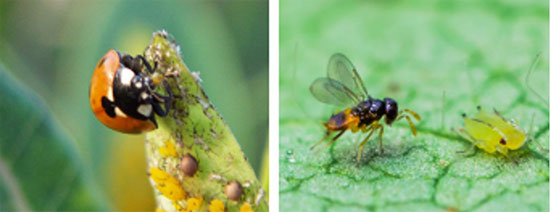
Figure 11. Natural enemies of the soybean aphid. The lady beetle (Coccinellidae, left) and parasitic wasps (Aphidiinae, right) play a critical role in regulating soybean aphid populations through predation and parasitism.
Predators
Predators are the most abundant group of natural enemies that contribute to soybean aphid control. These insects actively feed on aphids at various life stages, helping to slow population growth, particularly during hot weather. Key predators include:
- Lacewings (Chrysoperla spp.)
- Lady beetles (Coccinella septempunctata, Harmonia axyridis, Hippodamia convergens)
- Syrphid flies (Hoverflies – Syrphidae family, e.g., Eupeodes americanus, Toxomerus spp.)
- Pirate bugs (Orius insidiosus)
- Damsel bugs (Nabis spp.)
Parasitoids
Parasitoids are wasps that lay eggs in or on soybean aphid. The immature parasitoids will eventually kill their aphid hosts. A clear sign of parasitoid activity is the presence of aphid “mummies” – light brown, black, or white swollen aphids that are sheltering immature parasitoids (Figure 12). Once the adult wasps emerge from the soybean aphid, they reproduce and continue parasitizing more aphids, contributing to natural population control.
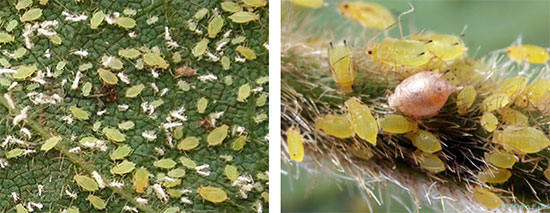
Figure 12. Left: A colony of soybean aphids with numerous nymphs and wingless adults, white shed skins, and dead aphids killed by a fungus, which are fuzzy brown in appearance. Right: A soybean aphid attacked by a parasitic wasp larva produces a tan, swollen “mummy”, which contains the developing wasp.
Following the initial appearance of soybean aphids in the Midwest, the USDA and university researchers made extensive efforts to introduce parasitic wasp species as a biological control method, given their previous success with other insect pests. However, these introduced wasps failed to establish, likely due to environmental challenges such as the cold winters in the Midwest. Later, the accidental introduction of Aphelinus certus showed promising results, with evidence that this wasp can significantly reduce the population growth rate (Kaser and Heimpel, 2018). Ongoing studies are being conducted to better understand its impact and effectiveness; however, comprehensive field data are still limited as research efforts are relatively new.
Pathogens
Under suitable environmental conditions, fungal pathogens can infect and kill soybean aphids, sometimes leading to dramatic population declines. The presence of “fuzzy” aphid skeletons indicate that fungal pathogens are present in the field (Figure 12).
Host Plant Resistance
Research on host plant resistance to soybean aphids began shortly after their arrival in North America and led to the discovery of multiple genes (known as resistance to Aphis glycines, or Rag genes) that confer antibiosis to soybean aphids. The utility of these genes has been challenged by aphid biotypes capable of overcoming these resistance genes already present in the United States. Consequently, host plant resistance has not been heavily utilized for soybean aphid management. However, the widespread occurrence of insecticide resistance in aphid populations has led to renewed interest in host plant resistance as a management tactic (Tilmon et al., 2021). Selecting elite, high-yielding soybean varieties adapted to the region is always recommended. This approach lays a strong foundation for healthy plant growth and consistent emergence, helping protect the crop from environmental stressors.
References
- DiFonzo, C. 2016. Soybean aphid thresholds. Michigan State University Extension.
- Kaser, J.M., and G.E. Heimpel. 2018. Impact of the parasitoid Aphelinus certus on soybean aphid populations. Biological Control 127:17-24.
- Koch, R.L., D.W. Ragsdale, E.W. Hodgson, and D.A. Landis. 2016. Biology and economics of recommendations for insecticide-based management of soybean aphid. Plant Health Progress 17:265-269.
- Knodel, J.J., and P. Beauzay. 2024. Update on Soybean Aphids. Crop & Pest Report, No. 14. North Dakota State University Extension.
- Hanson, A.A., J. Menger-Anderson, C. Silverstein, B.D. Potter, I.V. MacRae, E.W. Hodgson, and R.L. Koch. 2017. Evidence for soybean aphid (Hemiptera: Aphididae) resistance to pyrethroid insecticides in the upper Midwestern United States. Journal of Economic Entomology 110:2235- 2246.
- McCornack, B.P., D.W. Ragsdale, and R.C. Venette. 2004. Demography of soybean aphid (Homoptera: Aphididae) at summer temperatures. J. Econ. Entomol. 97:854-861.
- Menger, J.P., A.V. Ribeiro, B.D. Potter, and R.L. Koch. 2022. Changepoint analysis of lambda-cyhalothrin efficacy against soybean aphid (Aphis glycines Matsumura): Identifying practical resistance from field efficacy trials. Pest Management Science 78:3638-3643.
- Ragsdale, D.W., D.J. Voegtlin, and R.J. O’Neil. 2004. Soybean aphid biology in North America. Annals of the Entomological Society of America 97:204-208.
- Tilmon, K.J., A. Michel, M.E. O’Neal. 2021. Aphid resistance is the future for soybean production, and has been since 2004: efforts towards a wider use of host plant resistance in soybean. Current Opinion in Insect Science. 45:53-58.
- Tran, A.K., T.M. Alves, and R.L. Koch. 2016. Potential for sulfoxaflor to improve conservation biological control of Aphis glycines (Hemiptera: Aphididae) in soybean. Journal of Economic Entomology 109:2105- 2114.
- Varenhorst, A., M. Dunbar, and A. Bachmann. 2020. Why the 250 Threshold is Still Appropriate for Soybean Aphids. South Dakota State University Extension.
The foregoing is provided for informational use only. Please contact your Pioneer sales professional for information and suggestions specific to your operation. Product performance is variable and depends on many factors such as moisture and heat stress, soil type, management practices and environmental stress as well as disease and pest pressures. Individual results may vary.
Pioneer® brand products are provided subject to the terms and conditions of purchase which are part of the labeling and purchase documents.