We’re Bringing Our #1 Power to the South.

Every acre is unique. That’s why Pioneer® — the nation’s #1 brand for corn and soybeans¹ — delivers proven genetics, advanced traits, and local support. Our insights and recommendations are tailored for the South, helping growers get the most out of every bag of seed.
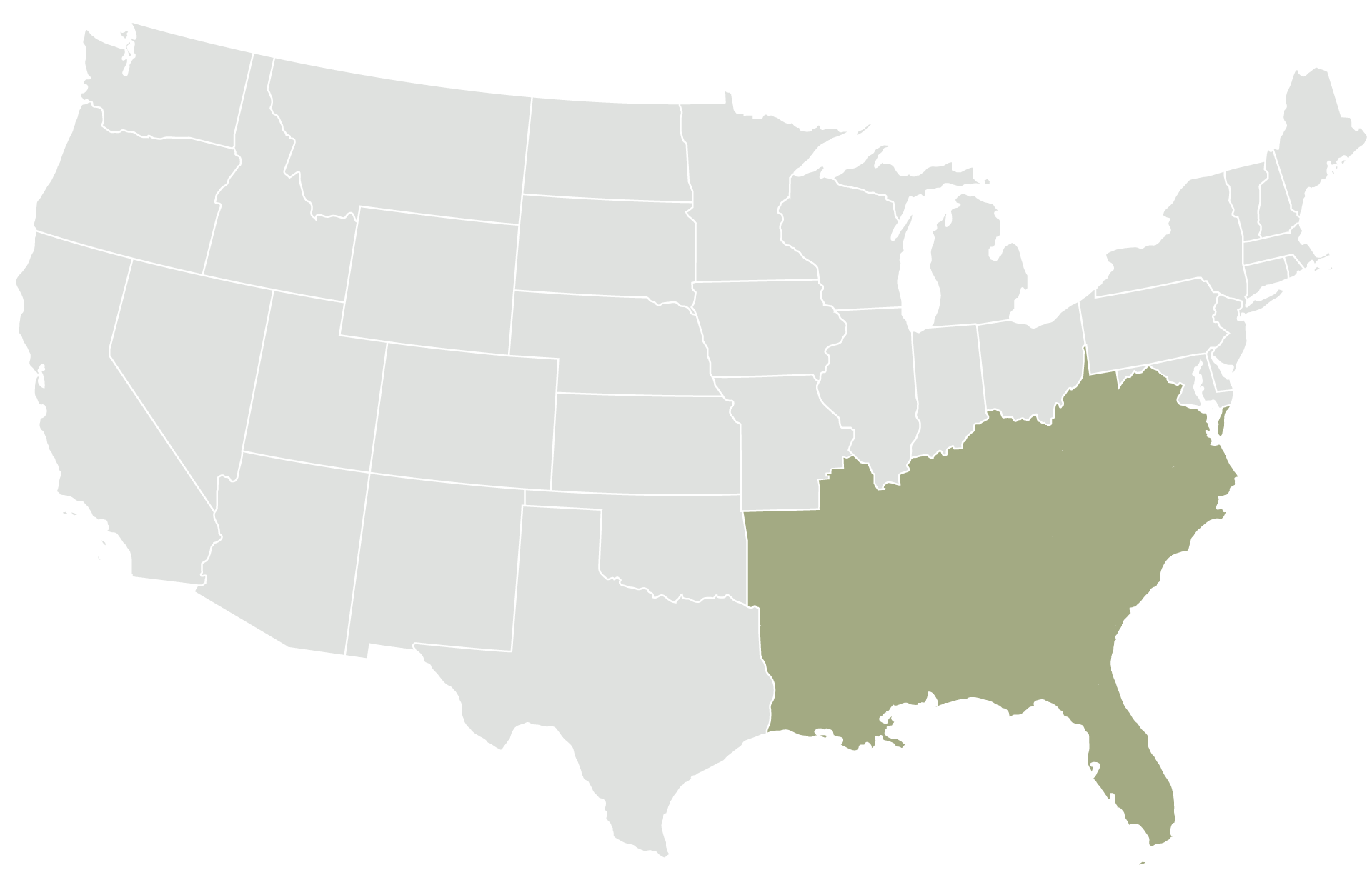
US map - highlighting states in the Southern region

Set yourself up for a successful 2026 growing season with the latest agronomy insights, crop management tips, and more.

2026 Planting Tips

Todd Rowe

Pioneer Agronomy Leader

Todd Rowe - Pioneer Agronomy Leader

Tip #1: Manage GDUs for optimal growth

Growing Degree Unit (GDU) is an important calculation that can assist in determining critical growth stages for crops but more specifically corn. GDUs are calculated with the following formula: (Daily high temp + daily low temp) divided by 2, subtract 50. We use a max high temp of 86 and minimum low temp of 50 as the parameters for the equation.  Why? Because crop growth is minimal above and below those temperatures. Knowing that corn requires approximately 100 GDUs and soybeans require approximately 90 – 130 GDUs to emerge after planting is critical to ensure we get the best emergence from each seed. Planting during cool temperatures can delay emergence and cause the seed to expend energy that typically would be used for emergence and cause sporadic stands that can significantly affect yield.

Tip #2: Soybean planting dates: How early is too early to plant soybeans?

There are many factors to consider when planting soybeans: rainfall, soil temperature, air temperature, soil moisture, etc. Any one of these can reek havoc on stand establishment and soybean germination. Soybean seed are inherently more adaptable to changing conditions than corn, but still cold conditions can prevent seed from germinating and more specifically cold wet conditions can turn your seed to mush. It is important to take into consideration those factors that affect seed germination and pay close attention to weather patterns after planting to set up a successful start to the season. Those factors are more important to understand and consider when planting soybeans than to worry about a specific date on the calendar to start planting

Tip #3: Consider your options

Farmers across the South must consider all options when it comes to planting season. Changing weather patterns, volatile markets and other factors mean you have to stay in close touch with your local retailer as you prepare to head to the field. Remember, the team at Corteva Agriscience has you covered. We are ready for the real-time decisions you have to make. Whether it involves a hybrid or variety consideration, or if you are looking at switching crops, we have you covered for all of your corn, soybean and cottonseed needs.

Planting Resources

Planting Date Effects on Soybeans

Planting Date Effects - Soybeans

As soybean production has increased in the Southern U.S. the range of planting dates has expanded, from late March through late June. Find out more on planting date considerations as studied in 2 research trials.

Learn More
Delayed Corn Planting

Delayed Corn Planting

Recommended planting dates for corn in the Southern U.S. can range from late February to April. Corn yield potential generally declines when weather conditions cause planting to be delayed beyond April. Relatively good yields are still achievable through the first half of May in many areas.

Learn More
Corn Planting Depth

Corn Planting Depth

Shallow planting can expose corn seedlings to herbicide residues, increasing the potential for herbicide injury. Emergence may be less uniform due to a greater variability in moisture and temperature conditions in the seed bed and poorer seed-to-soil contact.

Learn More

Agronomy Innovation

Agronomy Research Summary

Agronomy Research Summary

Pioneer aims to lead the seed industry in agronomy and provide the best possible outcomes for its customers. Our teams are focused on today while preparing for the future, providing data and insights you can trust.

Learn More
Digital Tools

Digital Tools

Granular Insights offers agronomic software enabling you and your trusted Pioneer team to plan, manage, and analyze seed performance year-round. Data analytics and extensive on-farm data help Pioneer customers adapt to changing conditions and make confident decisions.

Learn More
Variable Rate Seeding

Variable Rate Seeding

The growing number of VRS-enabled planters and on-farm use of GPS technology make it easier than ever to deploy a VRS strategy. However growers still need to understand variability within their fields and implement appropriate hybrid-specific seeding rates.

Learn More

Save with the NEW Corteva™ Complete Acre

Farmers in the South can take advantage of a new rebate program, which replaces the TruChoice® prepay offer from Corteva Agriscience™ and provides cash back on crop protection and seed purchases.

Learn how you can save on programs like this:

Save with Corteva Complete Acre - Southern Region

View a larger image.

Enroll Today


Additional Crops for the South

Explore More Products for the South

Winter Canola
Explore More Products for the South - Certified Winter Canola Program

Pioneer Brand Z-series SoybeansPioneer® Brand Z-series Soybeans

Find Out More >

PowerCore Enlist CornPowerCore® Enlist® Corn

Find Out More >

Cotton Solutions from PhytoGen CottonseedCotton Solutions from PhytoGen® Cottonseed

Find Out More >


¹According to Kynetic USA, Inc. agricultural sales data for 2024 corn and soybean sales. Copyright 2025 Kynetec USA, Inc.

The foregoing is provided for informational use only. Please contact your Pioneer sales representative for information and suggestions specific to your operation. Product performance is variable and depends on many factors such as moisture and heat stress, soil type, management practices and environmental stress as well as disease and pest pressures. Individual results may vary. Pioneer®  brand products are provided subject to the terms and conditions of purchase which are part of the labeling and purchase documents.

Keystone® NXT is a Restricted Use Pesticide.
®™Trademarks of Corteva Agriscience and its affiliated companies. Enlist E3® soybeans are jointly developed and owned by Corteva Agriscience LLC and M.S. Technologies, LLC. Enlist One is the only 2,4-D product authorized for use in Enlist crops. Not all products are registered for sale or use in all states or counties. Enversa™ and Keystone NXT are not available for sale, distribution or use in Nassau and Suffolk counties in the state of New York. Contact your state pesticide regulatory agency to determine if a product is registered for sale or use in your state or area. Consult the label before purchase or use for full details. Always read and follow label directions. ©2026 Corteva.