
Country Selector
Please enter a valid location
6/26/2025
Maximizing the Value of Foliar Fungicides in Corn
Crop Insights
Written by Mark Jeschke, Ph.D., Pioneer Agronomy Manager
Key Points
- There are several factors that can influence the likelihood of a corn yield benefit from a foliar fungicide application.
- Continuous corn and minimum tillage fields can be at higher risk of foliar disease and more likely to benefit from a fungicide application due to greater amounts of surface residue harboring pathogens from the previous corn crop.
- Hybrids that have lower levels of genetic resistance to a given foliar disease are more likely to benefit from a fungicide application if that disease becomes prevalent.
- The severity of foliar diseases in a given year is largely driven by environmental conditions.
- Wet conditions are generally favorable for foliar diseases in corn; specifically, conditions that enable prolonged periods of wetness on the surfaces of leaves.
- Research has generally shown that the VT/R1 growth stage is the most effective application timing for disease control and yield protection in corn.
- Fungicides with multiple modes of action can provide more effective disease control and help reduce the selection for resistance in plant pathogens.
- Protecting Corn Yield
- Disease-Causing Pathogens
- Susceptible Host
- Favorable Environment
- Yield Response and Economic Return
- Timing of Fungicide Application
- Fungicide Modes of Action
- Scouting for Foliar Diseases
- Crop Doctorate
- References
Protecting Corn Yield
Over the past 20 years, foliar fungicide treatments in corn have gone from a new and mostly untested practice to a trusted component of many growers’ management systems. This has occurred as research results and grower experience have demonstrated that fungicides can be very effective tools for managing foliar diseases and protecting yield in corn.
Over 2,000 Pioneer on-farm trials conducted over 14 years found an average corn yield response to foliar fungicide treatment of 7.4 bu/acre (Jeschke, 2021). Yield responses exceeding 20 bu/acre are not uncommon when disease pressure is very high, while fungicides may have little or no yield benefit under low disease pressure. Determining where in that range of responses a given field is likely to be is important in maximizing the value of a fungicide treatment.
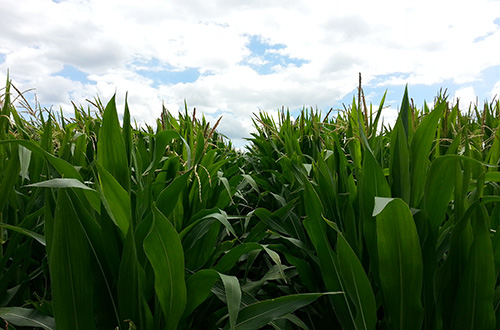
Deciding if/when to apply a foliar fungicide in corn can be difficult. There are several factors that can influence corn yield response to fungicide application. Complicating the decision is the fact that treatments must be made ahead of the onset of foliar diseases to be effective. Diseased leaf tissue cannot be recovered after infection, so applications must be made before it is obvious that a fungicide treatment is needed.
| Over 2,000 Pioneer on-farm trials conducted over 14 years found an average corn yield response to foliar fungicide treatment of 7.4 bu/acre. |
Bringing as much advanced knowledge to the table as possible is important for making the best decisions. Fortunately, there has been no shortage of foliar fungicide research over the past 20 years, so there is plenty of knowledge available on when fungicides are or are not likely to be economically beneficial in corn.
Anyone who has taken an introductory plant pathology class is likely to be familiar with the disease triangle concept – the three factors that must be present at the same time for plant disease to occur: a disease-causing pathogen, a susceptible host, and favorable environmental conditions (Figure 1). The disease triangle concept can provide a useful framework for evaluating the potential benefit of a foliar fungicide treatment in corn.
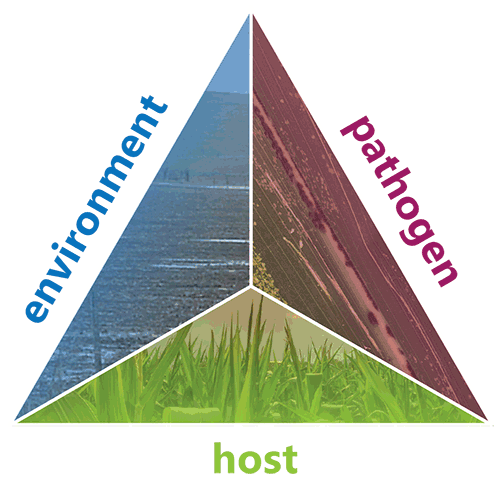
Figure 1. The disease triangle is a conceptual model used to illustrate how diseases arise and spread. All three factors represented by the triangle must be present for disease to occur.
Disease-Causing Pathogens
In order for plant disease to occur, a disease-causing pathogen must be present in the field. All corn fields are likely to have multiple pathogens present that are capable of infecting corn; however, which pathogens and in what quantities can vary based on a number of factors.
Pathogen Lifecycles
There are two basic types of disease cycles among the fungal diseases that infect corn leaves. Many pathogens, such as gray leaf spot and northern corn leaf blight, overwinter in diseased corn leaves, husks, and other plant parts. Spores are produced on crop residue when environmental conditions become favorable in the spring and early summer. These spores are spread by rain splash and air currents to the leaves of new crop plants, where primary infections are produced. Secondary spread then occurs from plant to plant and even from field to field as spores are carried long distances by the wind. As the plants die, the fungi remain in the dead plant tissue.
The rust diseases have a different cycle because they do not overwinter in crop residue and cannot survive the winters throughout much of the Corn Belt. Instead, disease starts in corn fields in the Southern United States, and spores are windblown long distances into the Corn Belt. Disease onset depends on weather systems that carry the spores northward combined with favorable conditions for infection. Secondary spread occurs similarly to the other leaf diseases.
| Pathogens for diseases such as gray leaf spot and northern corn leaf blight overwinter in diseased corn leaves, husks, and other plant parts. |
Crop Rotation and Tillage
For foliar diseases that overwinter in corn residue, the amount of residue remaining on the soil surface from the previous corn crop affects the amount of disease inoculum available to infect the current crop. Crop rotation and tillage can both influence surface residue levels and, consequently, foliar disease risk. Continuous corn and minimum tillage fields can be at higher risk of foliar disease and more likely to benefit from a fungicide application due to greater amounts of surface residue harboring pathogens from the previous corn crop. Survival of diseases in corn residue can lead to earlier infection and higher disease incidence and severity in the subsequent corn crop.
Many common diseases, including gray leaf spot, northern corn leaf blight, southern leaf blight, eyespot, tar spot, and northern leaf spot overwinter in corn residue, providing a source of inoculum to infect corn planted the following season. However, the extent to which disease pressure is affected by surface residue levels can vary by disease.
Surface residue appears to have a larger effect on gray leaf spot pressure. The increase in prevalence and severity of gray leaf spot beginning in the 1990s has been attributed, at least in part, to the widespread shift to reduced tillage systems in the 1980s and 1990s (Lipps, 1998). Severity of tar spot, on the other hand, does not appear to be strongly influenced by crop rotation or tillage (Ross et al., 2023).
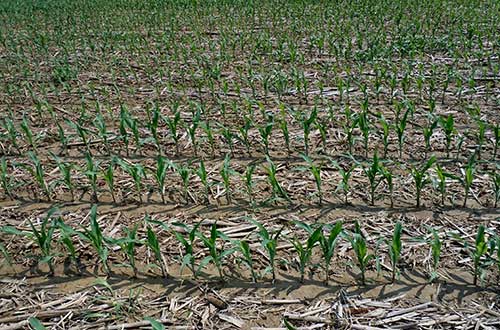
Figure 2. High levels of surface residue can increase the amount of inoculum for overwintering diseases, increasing the risk of foliar disease in the subsequent crop. Gray leaf spot in particular seems to be more prevalent in high residue systems.
Susceptible Host
Susceptible host is, to some extent, the most straightforward of the three factors influencing corn disease – if there is corn planted in a field then a susceptible host for corn pathogens is present. However, corn hybrids can differ considerably in their susceptibility to foliar diseases, which can have a significant impact on the likelihood of needing a foliar fungicide application to protect yield.
Genetic Disease Resistance
Pioneer® brand hybrids are rated on a scale of 1 to 9 for their level of genetic resistance to major foliar diseases, with 1 to 3 indicating a susceptible hybrid, 4 to 5 moderately resistant, 6 to 7 resistant, and 8 to 9 highly resistant. In cases where a foliar disease is not severe, a foliar fungicide application may not provide an economic benefit with a resistant or highly resistant hybrid. Hybrids that are susceptible to a common foliar disease are more likely to benefit from a fungicide application and should be monitored for disease symptoms, particularly when weather conditions are favorable for disease development.
Scenarios in which the severity of a specific foliar disease is extremely high can be useful in illustrating how much the genetic resistance of a corn hybrid to that disease can matter. Pioneer scientists, agronomists, and university collaborators have conducted several corn fungicide studies in which a single foliar disease was predominant at the research location or locations. In some cases, research locations were chosen specifically due to their history of a specific disease; in others, environmental conditions happened to be favorable for a given disease when the study was conducted.
One such research project was conducted over three years at the University of Tennessee Research and Education Center at Milan at a research site specifically chosen due to a history of high gray leaf spot pressure. Three Pioneer brand corn hybrids with differing levels of resistance to gray leaf spot were included in the study. Results showed that genetic resistance to gray leaf spot had a large effect on yield response to foliar fungicide – ranging from 7 bu/acre with a resistant hybrid to over 23 bu/acre with a susceptible hybrid (Figure 3).
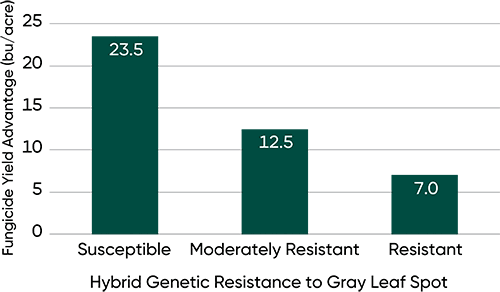
Figure 3. Average yield response of hybrids susceptible, moderately resistant, and resistant to gray leaf spot to foliar fungicide application in a 3-year Univ. of Tennessee/ Pioneer research study.
Pioneer scientists conducted fungicide research trials at several Midwestern sites in 2009, a growing season that experienced unusually high levels of common rust in parts of the Midwest. Corn yield response to fungicide application varied widely among research locations, largely due to differences in common rust pressure. Genetic resistance of hybrids to common rust made a big difference in fungicide yield response at sites with severe common rust (Figure 4). At low pressure locations, genetic resistance still made a difference, but yield response of both susceptible and moderately resistant hybrids was below the level likely to provide economic benefit.
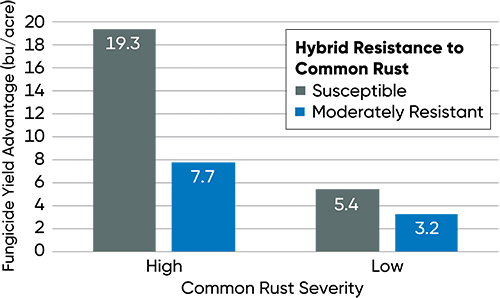
Figure 4. Average fungicide yield response of hybrids with low resistance (3 on a 1-9 scale) and moderate resistance (4-6) to common rust in Pioneer small-plot trials.
Hybrid Maturity and Planting Date
Hybrid maturity and planting date have also been found to influence susceptibility to yield loss from foliar diseases. These factors are important because of their impact on the growth stage of corn relative to the timing of disease development. Later planted fields and/or later maturing hybrids can be more vulnerable to yield loss because they are not as far along in the grain filling process when disease development peaks in late summer compared to shorter maturity or earlier planted corn. These later-developing fields are often more likely to benefit from a fungicide application.
Favorable Environment
The severity of foliar diseases in a given year often comes down to environmental conditions (Figure 5). Farmers that have been growing corn for many years are likely able to recall past years in which a specific foliar disease was especially severe, as well as years in which foliar diseases were largely absent. On a broad scale, host susceptibility and pathogen presence do not change a lot from year to year – environmental conditions are generally the operative factor driving disease pressure. Optimal conditions for disease development are similar, but not identical, across common foliar pathogens in corn, so conditions in a growing season may favor multiple foliar diseases, or one specific disease.
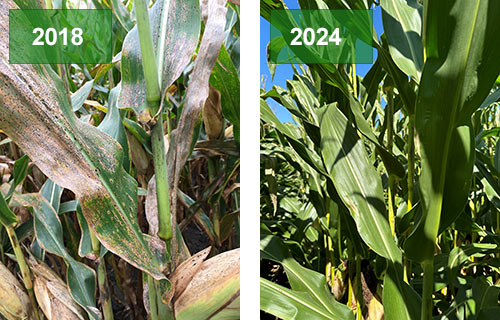
Figure 5. Left: A northern Illinois corn field on September 1, 2018, a year characterized by widespread severe tar spot infestation. Right: The same field on the same date in 2024, a year when hot and dry conditions late in the season suppressed foliar diseases.
Leaf Wetness Duration
Wet conditions are generally favorable for foliar diseases in corn; specifically, conditions that enable prolonged periods of leaf wetness (Rowlandson et al., 2015). Fungal spores require liquid water on leaves to initiate germination and infect the leaf tissue. This water can come from rainfall, as well as dew or irrigation. Conditions that allow the water to persist on the leaves – such as high humidity, persistent cloud cover, low winds, and mild temperatures – will tend to favor disease development.
Conversely, dry conditions will tend to suppress disease development. This has been evident in the results of foliar fungicide trials during drought years. Pioneer on-farm research trials conducted across multiple locations in Iowa from 2007 to 2014 demonstrated the extent to which corn yield response to foliar fungicides can vary year to year due to weather conditions. 2011 and 2012 were both abnormally dry years in Iowa. The average yield response to foliar fungicides in on-farm trials conducted during the two drought years of 2011 and 2012 was well below the average response observed in years with greater precipitation (Figure 6).
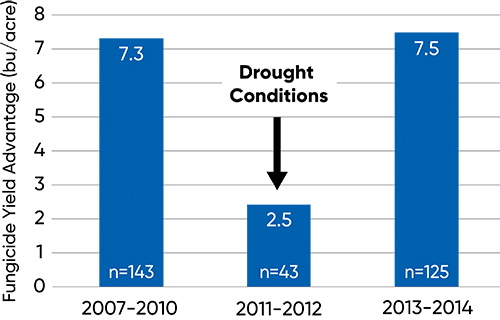
Figure 6. Average corn yield response to foliar fungicides in Iowa on-farm trials in drought years (2011-2012) compared to years with normal or above-normal precipitation (2007-2010 and 2013-2014).
Similar results were observed in a multistate study conducted in 2020, in which nearly all field locations experienced some degree of drought stress in the latter part of the growing season. The average yield response to foliar fungicide treatment in this study was only 1-2 bu/acre (Berning, 2020).
Temperature
Temperature is an important factor in foliar disease pressure, both in its direct effect on disease development and through its effect on leaf wetness. Warm, but not excessively high temperatures are generally favorable for disease development but within that range, individual pathogens differ in their optimal temperature ranges (Figure 7). Common rust and tar spot are both favored by relatively low temperatures, gray leaf spot and northern corn leaf blight by moderate temperatures, and southern rust by relatively high temperatures.
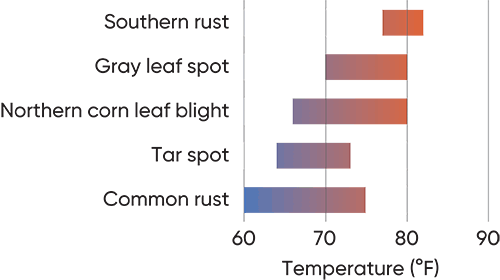
Figure 7. Optimal temperature ranges for development of foliar diseases (Jardine, 2019; Peltier et al., 2011; Webster et al., 2023).
Yield Response and Economic Return
The first thing to consider when deciding whether or not to use a foliar fungicide in corn is the potential impact on yield. The numerous field studies that have evaluated corn fungicides over the past 20 years provide a look at the range of potential outcomes. Over 2,000 Pioneer on-farm trials conducted over 14 years found an average corn yield response to foliar fungicide treatment of 7.4 bu/acre (Jeschke, 2021). In cases where foliar disease pressure was low, often due to drought conditions, yield response could be less than 2 bu/acre. In cases with very high disease pressure, yields responses could exceed 20 bu/acre (Figure 8).
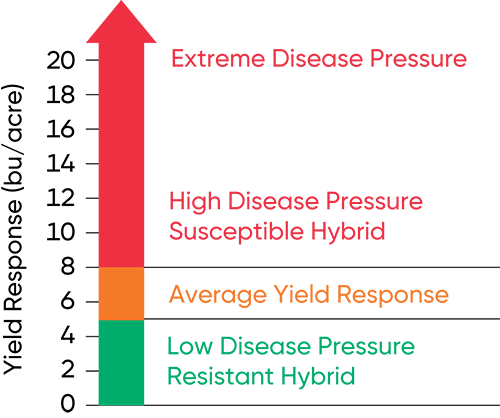
Figure 8. General range of expected yield response to foliar fungicide treatment in corn.
A meta-analysis of university studies conducted over eight years found an average yield response of 3.7 to 6.2 bu/acre, depending on the fungicide product used (Paul et al., 2011). A more recent meta-analysis found similar results, with yield response ranging from 3.5 to 6.9 bu/acre depending on the fungicide product used (Wise et al., 2019). The economic viability of a fungicide application can vary greatly according to the price of corn and cost of the fungicide and application. Higher corn prices and lower treatment costs reduce the break-even yield response, while lower corn prices and higher costs increase it (Table 1).
Table 1. Yield response necessary to cover the cost of fungicide and application over a range of costs and corn prices.
| Fungicide + Application Cost/Acre | Corn Price ($/bu) | ||||
|---|---|---|---|---|---|
| 3 | 4 | 5 | 6 | 7 | |
| ————— bu/acre ————— | |||||
| 20 | 6.7 | 5.0 | 4.0 | 3.3 | 2.9 |
| 22 | 7.3 | 5.5 | 4.4 | 3.7 | 3.1 |
| 24 | 8.0 | 6.0 | 4.8 | 4.0 | 3.4 |
| 26 | 8.7 | 6.5 | 5.2 | 4.3 | 3.7 |
| 28 | 9.3 | 7.0 | 5.6 | 4.7 | 4.0 |
| 30 | 10.0 | 7.5 | 6.0 | 5.0 | 4.3 |
| 32 | 10.7 | 8.0 | 6.4 | 5.3 | 4.6 |
| 34 | 11.3 | 8.5 | 6.8 | 5.7 | 4.9 |
| 36 | 12.0 | 9.0 | 7.2 | 6.0 | 5.1 |
Timing of Fungicide Application
Foliar fungicides are typically only applied once during a growing season to corn so optimal application timing is important for maximizing yield and economic benefit. Apply too late, and yield may already be lost due to foliar disease. Apply too early, and diseases may be able to develop after the fungicide has broken down and lost its efficacy.
There are three main factors that influence optimal fungicide application timing in corn:
- Duration of fungicide activity
- Timing of disease onset and progression
- Critical period for protecting corn yield
Duration of Fungicide Activity
If one fungicide application could provide season-long disease protection, application timing would be far less important, but – like all crop protection products – fungicides have a limited window of efficacy. Foliar fungicides generally have around 21 days of activity, with some newer products extending that to as long as 35 days. The total duration of the reproductive growth period in corn, from silking to black layer, is typically around 65 days for a central Corn Belt hybrid (Abendroth et al., 2011), so a single fungicide application would – at best – only provide disease protection for around half of that period (Figure 9).
| A fungicide needs to be present on the plant prior to infection or in the very early stages of infection to be effective. |
Timing of Disease Onset and Progression
A fungicide needs to be present on the plant prior to infection or in the very early stages of infection to be effective (Mueller and Robertson, 2008). Ideally, the best time to apply a fungicide would be right when foliar disease is beginning to proliferate withing the crop canopy – aligning the window of maximum fungicide activity with the phase of disease progression when it would have the greatest impact. In practice, this is challenging to do because the onset and progression of foliar disease is heavily dependent on environmental conditions.
| As plants begin shifting resources toward the developing ear, the leaves have less capacity to defend against fungal infection. |
Foliar diseases are generally most active during the latter part of the season when corn is in the reproductive growth stages. There are some diseases that can show up during early vegetative growth, most notably anthracnose leaf blight, but the diseases most likely to impact yield tend to spread most rapidly during the late vegetative stages and reproductive stages. Environmental conditions tend to be more favorable for foliar disease development during this time – temperatures are more conducive for disease development and the shading of the crop canopy helps preserve moisture on the lower leaves. Additionally, as the plants begin shifting resources toward the developing ear, the leaves have less capacity to defend against fungal infection.
Critical Period for Corn Yield
The reproductive stages are also the period that is the most critical for protecting corn yield. Foliar diseases impact yield by reducing the amount of functional photosynthetic leaf area during grain fill. The yield impact associated with lost leaf area peaks at the VT/R1 stage and then gradually declines as the plant gets closer to physiological maturity (Figure 9).
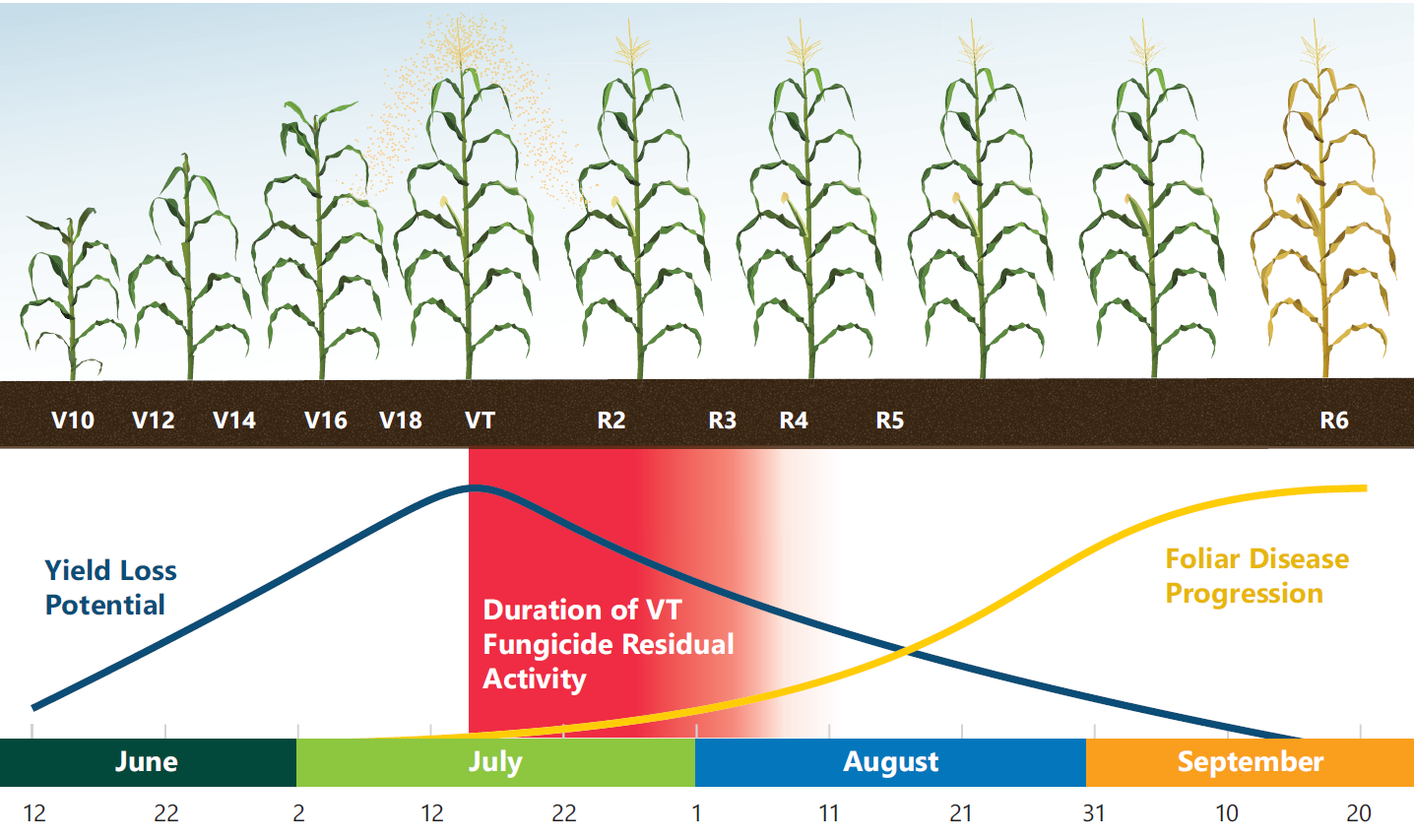
Figure 9. Generalized model of corn foliar disease progression and yield loss potential by growth stage.
The leaves in the upper part of the canopy – from the ear leaf up – account for the majority of photosynthate feeding into the ear during grain fill, so these leaves are the most important to protect from foliar disease (Nielsen, 2021). Fungicides have limited mobility in plant tissue, so only leaves that receive a fungicide treatment are protected. If a fungicide is applied before the uppermost leaves have emerged, those leaves will not be directly protected by the fungicide.
| Optimal fungicide application timing can vary depending on the timing and rate of disease progression. |
Fungicide Timing Research
The VT/R1 growth stage (between tasseling and brown silk) is the most commonly recommended stage for fungicide application because this is point at which the three factors for optimal timing intersect to offer the greatest likelihood of economic benefit. Research has generally shown that VT/R1 is the most effective application timing for disease control and yield protection (Paul et al. 2011; Wise and Mueller 2011; Wise et al. 2019).
Optimal fungicide application timing can vary depending on the timing and rate of disease progression. A University of Nebraska study that compared multiple fungicide timings found that VT or R3 applications provided the best results (Jackson-Ziems et al., 2016), with yield response declining with later application timings. Applications as late as R5 (dent) still significantly improved yield in some cases, but not as much as the earlier applications. A University of Arkansas study comparing VT, R3, and R5 fungicide applications for southern rust control found that the R3 application provided better disease control in one year when southern rust came on later but did not improve yield over the VT timing, and that the VT timing was generally best for yield protection (Faske and Emerson, 2021). Diseases such as southern rust or tar spot, which can come on late and spread quickly, may justify a later R stage application but, in general, the closer the crop is to physiological maturity, the less impact a fungicide treatment is likely to have on yield.
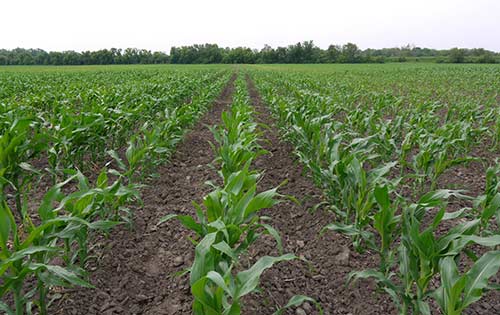
Figure 10. Early vegetative stage applications put the fungicide on the crop well ahead of the onset of most foliar diseases.
Vegetative Stage Applications
Earlier applications during vegetative growth stages have been explored as a way to simplify field logistics. Application around the V5-V6 stage would allow a fungicide to be tank mixed with a post-emergence herbicide application, reducing the number of trips across the field. Standalone fungicide applications around the V10-V14 timing have also been evaluated, as they could more easily be performed using a ground sprayer rather than aerial application, which is often necessary for VT/R1 treatment.
Applying fungicide at the V5-V6 stage puts it on the crop well ahead of the onset of most foliar diseases, and residual activity would be gone by the time the crop reached grain fill. A V10-V14 application would put the window efficacy closer to peak foliar disease activity but would leave the upper-most leaves on the plant unprotected and leave the door open for a late flush of disease. An application at V12 would be about 3 weeks ahead of tasseling, which means residual control would be running out right as the crop is entering reproductive growth.
Early vegetative stage fungicide applications have not proven to be consistently economically beneficial. A University of Illinois survey of fungicide research trials found an average yield response of 1.5 bu/acre with V6 applications compared to 8.0 bu/acre for VT/R1 applications (Bradley, 2010). A meta-analysis of research studies conducted over two years in the U.S. and Canada found an average yield increase of 2.0 bu/acre with V6 applications.
Late vegetative stage (V10-V14) applications have not been as thoroughly researched. The limited studies that have been done have shown that a V12 application can provide similar disease suppression to a VT/R1 application in some cases, particularly when disease pressure is low. An Iowa State study actually found better suppression of gray leaf spot with a V12 application in one year when conditions were conducive to earlier disease development (Robertson and Shriver, 2018). A 3-year Purdue University study found that V12 and VT applications provided similar levels of gray leaf spot protection when pressure was low, but VT applications had a significant advantage under higher disease pressure (Telenko et al., 2020).
Fungicide Modes of Action
In the early 2000s, when foliar fungicides started to come into common usage in field corn, most fungicide products available to growers only included one active ingredient. Today, many fungicide products have multiple active ingredients. There are three classes of fungicide currently used in foliar products labelled for use in corn:
- Group 3: Demethylation Inhibitors (DMI) (triazoles)
- Group 7: Succinate Dehydrogenase Inhibitors (SDHI)
- Group 11: Quinone Outside Inhibitors (QoI) (strobilurins)
Numerous strobilurin + triazole products are available and strobilurin + triazole + SDHI products have become more common in recent years.
Fungicides with multiple modes of action can provide more effective disease control by targeting a broader range of fungal diseases and pathogens and providing more comprehensive protection for the corn crop. Two meta-analyses of university fungicide studies showed better yield protection, on average, with multiple mode of action products compared to single mode of action products (Paul et al., 2011; Wise et al., 2019) (Table 2).
Table 2. Average corn yield response to single and double mode of action VT/R1 foliar fungicide applciations in two meta-analyses of university fungicide studies.
| Paul et al., 2011 | Yield Response |
|---|---|
| bu/acre | |
| Trifloxystrobin + propiconazole | 6.2 |
| Azoxystrobin + propiconazole | 5.3 |
| Pyraclostrobin | 4.1 |
| Azoxystrobin | 3.7 |
| Wise et al., 2019 | Yield Response |
| bu/acre | |
| Strobilurin + triazole+SDHI0 | 9.2 |
| Strobilurin + triazole2 | 6.9 |
| Strobilurin | 3.5 |
Fungicide products with multiple modes of action are also important for resistance management. Pathologists recommend mixing or rotating fungicide modes of action to slow the development of resistance in pathogens. By using fungicides with different modes of action, growers can reduce the selection pressure on fungal populations, slowing down the development of resistance to specific fungicide types. This is important for preserving the effectiveness of fungicides, especially products such as strobilurins, which are considered high risk for resistance development.
Scouting for Foliar Diseases
Scouting the fields for disease pressure can be helpful for informing fungicide treatment decisions. Many foliar diseases start on the bottom leaves of the corn plant and gradually move up the plant depending on environmental conditions. Diseases that blow in from outside the field, such as southern rust, will often show up first along the field edges. The best time to start scouting is during the late vegetative growth stages prior to tasseling. If disease is not present on the leaves below the ear leaf, a fungicide application may not be needed at that time. Continue scouting on a weekly basis, especially when environmental conditions are conducive to disease development and in fields with susceptible corn hybrids.
Crop Doctorate
References
- Abendroth, L.J., R.W. Elmore, M.J. Boyer, and S.K. Marlay. 2011. Corn Growth and Development. PMR 1009. Iowa State University Extension, Ames, Iowa.
- Berning, D. 2020. Fungicides Produce Minimal Corn Yield Response Under Drought Conditions. Pioneer Agronomy Research Update Vol. 10 No. 12. Corteva Agriscience. Johnston, IA.
- Bradley, C. 2010. Fungicide Applications to Corn at Early Growth Stages. The Bulletin 3:6. Univ. of Illinois Extension.
- Faske, T.R., and M. Emerson. 2021. Multiyear Evaluation of Fungicide Efficacy and Application Timing for Control of Southern Rust in Hybrid Corn in Arkansas. Plant Disease 105:1108-1114.
- Jackson-Ziems, T.A., L.J. Giesler, R.M. Harveson, S.N. Wegulo, K. Korus and A.O. Adesemoye. 2016. Fungicide Application Timing and Disease Control. Papers in Plant Pathology. University of Nebraska – Lincoln.
- Jardine, D.J. 2019. Gray Leaf Spot of Corn. MF2341. Kansas State University Research and Extension.
- Jeschke, M.R. 2021. Maximizing the Value of Foliar Fungicides in Corn. Pioneer Crop Insights Vol. 31 No. 2. Corteva Agriscience. Johnston, IA.
- Lipps, P.E. 1998. Gray Leaf Spot: A Global Threat to Corn Production. American Phytopathological Society. APS Features. DOI: 10.1094/APSnetFeature-1998-0598
- Mueller, D., and A. Robertson. 2008. Preventative vs. Curative Fungicides. ICM News. July 29, 2008. Iowa State University.
- Nielsen, R.L. 2021. Grain Fill Stages in Corn. Corny News Network. Purdue University Extension.
- Paul, P.A., L.V. Madden, C.A. Bradley, A.E. Robertson, G.P. Munkvold, G. Shaner, K.A. Wise, D.K. Malvick, T.W. Allen, A. Grybauskas, P. Vincelli, and P. Esker. 2011. Meta-analysis of yield response of hybrid field corn to foliar fungicides in the U.S. Corn Belt. Phytopathology 101:1122-1132.
- Peltier, A.J., P.D. Esker, C.A. Bradley, A. Robertson, and P.A. Paul. 2011. Corn Foliar Diseases Identification and Management Field Guide.
- Robertson, A. and J Shriver. 2018. Should we be spraying corn at V12? Iowa State University Integrated Crop Management News.
- Ross, T.J., M.I. Chilvers, A. Byrne, D.L. Smith, B. Mueller, S. Shim, and D.E.P. Telenko. 2023. Integration of disease tolerance and fungicide application for management of tar spot on hybrid corn in North Central United States. Plant Health Prog. DOI: doi.org/10.1094/PHP-10-22-0103-RS.
- Rowlandson, T., M. Gleason, P. Sentelhas, T. Gillespie, C. Thomas, and B. Hornbuckle. 2015. Reconsidering leaf wetness duration determination for plant disease management. Plant Dis. 99:310–319.
- Telenko, D.E.P, J.D. Ravellette, and K.A. Wise. 2020. Assessing Late Vegetative and Tasseling Fungicide Application Timings on Foliar Disease and Yield in Indiana Corn. Plant Health Progress 21:224-229.
- Webster, R.W., C. Nicolli, T.W. Allen, M.D. Bish, K. Bissonnette, J.C. Check, M.I Chilvers, M.R. Duffeck, J.M. Luis, B.D. Mueller, P.A. Paul, P.P Price, A.E. Robertson, T.J. Ross, C. Schmidt, R. Schmidt, T. Schmidt, S. Shim, D.E.P. Telenko, K. Wise, and D.L. Smith. 2023. Tar Spot Prediction in Corn: The Weather Matters. CPN 5012. Crop Protection Network. DOI: doi.org/10.31274/cpn-20231220-1.
- Wise, K., and D. Mueller. 2011. Are fungicides no longer just for fungi? An analysis of foliar fungicide use in corn. APSnet Features. doi:10.1094/APsnetfeature-2011-0531.
- Wise, K.A., D. Smith, A. Freije, D.S. Mueller, Y. Kandel, T. Allen, C.A. Bradley, E. Byamukama, M. Chilvers, T. Faske, A. Friskop, C. Hollier, T.A. Jackson-Ziems, H. Kelly, R. Kemerait, P. Price III, A. Robertson, and A. Tenuta. 2019. Meta-analysis of yield response of foliar fungicide-treated hybrid corn in the United States and Ontario, Canada. PLoS One 14:e0217510.
- Foliar diseases are generally most active during the latter part of the season when corn is in the reproductive growth stages.
- Environmental conditions tend to be more favorable for foliar disease development during this time – temperatures are more conducive for disease development and the shading of the crop canopy helps preserve moisture on the lower leaves.
- Additionally, as the plants begin shifting resources toward the developing ear, the leaves have less capacity to defend against fungal infection.
Critical Period For Corn Yield
- The reproductive stages are the period that is the most critical for protecting corn yield.
- Foliar diseases impact yield by reducing the amount of functional photosynthetic leaf area during grain fill. The yield impact associated with lost leaf area peaks at the VT/R1 stage and then gradually declines as the plant gets closer to physiological maturity (Figure 1).
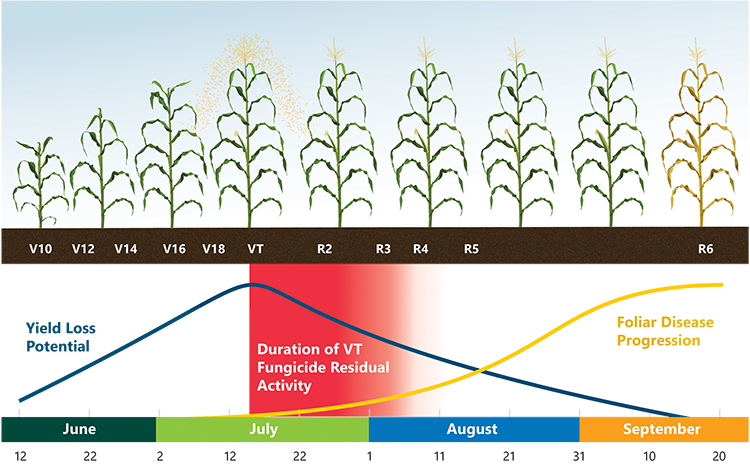
Figure 1. Generalized model of corn foliar disease progression and yield loss potential by growth stage. Click here or on the image above for a larger view.
Protect Your Field and Your Yield
Prevent against and defeat even the most resistant diseases with fungicide solutions from Corteva Agriscience.


Aproach® and Aproach® Prima are not registered for sale or use in all states. Contact your state pesticide regulatory agency to determine if a product is registered for sale or use in your state. Always read and follow label directions.
The foregoing is provided for informational use only. Contact your Pioneer sales professional for information and suggestions specific to your operation. Product performance is variable and subject to any number of environmental, disease, and pest pressures. Individual results may vary. Pioneer® brand products are provided subject to the terms and conditions of purchase which are part of the labeling and purchase documents.