
Country Selector
Please enter a valid location
Pioneer Agronomy Sciences –
History and Legacy

Crop Insights
Written by Mark Jeschke, Ph.D., Pioneer Agronomy Manager
Key Points
- The origin of Pioneer Agronomy can be traced back to the years after World War II, when scientific advances put new crop management tools in the hands of farmers.
- The essential role of agronomy in the Pioneer business was codified in The Long Look, written by Executive Vice President James W. Wallace and Director of Sales Nelson Urban in 1952.
- The Pioneer Technical Service Department was formed in 1962. Pioneer Agronomist was made into a full-time role the following year and the new department continued to develop and expand during the 1960s.
- Agronomy research innovations during the 1960s included development of new planting and harvesting equipment that vastly expanded the scale of field research that could be done.
- Significant advances in agronomy research and information delivery during the 1980s and 1990s brought Pioneer Agronomy Sciences to a new level of influence and respect in the industry.
- Agronomy training was significantly expanded during the 2010s, most notably with the launch of the Pioneer Agronomy Essentials program in 2014.
- Foundations
- Changes Ahead
- Taking Shape
- Research Advancements
- Bringing Insights to Customers
- Consolidation and Growth
- Agronomy Publications
- Pioneer Agronomy Sciences
- Precision Agriculture
- Traits and Technologies
- On-Farm Research
- Agronomy Training
- Serving Pioneer Customers
Foundations
Agronomy has long been a core part of Pioneer. From the very beginning, Pioneer’s leaders recognized the importance of agronomic support for ensuring customer success with Pioneer products. And the continually evolving nature of crop production has meant that Pioneer Agronomy has evolved as well.
This Crop Insights provides a brief look at the history and legacy of Pioneer Agronomy Sciences, including some of the key people, events and innovations that shaped it over the years.
Throughout its history, Pioneer Agronomy has been comprised of three essential components. The first is the Pioneer Agronomist – the crop management experts and trusted advisors that combine agronomic expertise with the local in-field experience necessary to provide a level of support to Pioneer Sales Representatives and customers unrivaled in the industry. The second and third components comprise the support system backing the Pioneer Agronomist – scientifically sound agronomic research and the information delivery and training systems necessary to bring the insights gained from that research to the Pioneer Agronomists and, ultimately, to Pioneer customers.
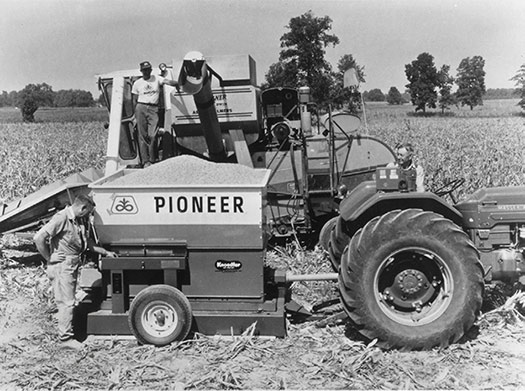
Pioneer Agronomy had humble beginnings, it started slowly like a seed germinating in cool, wet soil, but emerged and grew as a rapidly expanding source of agronomic information for farmers. As the service expanded, the expertise spread to all major corn, soybean, sorghum, alfalfa, sunflower and wheat growing areas. Today it is one of the most helpful sources of crop management information available to farmers in the United States and around the world.
Changes Ahead
The origin of Pioneer Agronomy can be traced back to the years after World War II, when scientific advances put new crop management tools in the hands of farmers – such as synthetic fertilizers, herbicides and insecticides – that created new possibilities as well as new complexities for crop production. Hybrid corn was already widely adopted at this point, having surpassed 50% of all U.S. corn acres in 1942, and corn yields were reaching unprecedented new heights. Farmers interested in improving their cropping programs were asking for better information on topics like planting date, depth of planting, planting rate, fertility, insecticides and herbicides.
The essential role of agronomy in the Pioneer business was codified in The Long Look, written by Executive Vice President James W. Wallace and Director of Sales Nelson Urban in 1952. The Long Look consists of four foundational principles that embody the values and priorities that define the Pioneer way of doing business. Point four of The Long Look states “We give helpful management suggestions to our customers to assist them in making the greatest possible profit from our products.” Pioneer leaders recognized the importance of supporting Pioneer products with an extensive program of agronomy research, training and service, to ensure customers realize the greatest potential from those products and – in doing so – continue to be customers for years to come.
Pioneer Long Look
- We strive to produce the best products on the market.
- We deal honestly and fairly with our customers, seed growers, employees, sales force, business associates and shareholders.
- We advertise and sell our products vigorously, but without misrepresentation.
- We give helpful management suggestions to our customers to assist them in making the greatest possible profit from our products.
By the early 1960s, the growing complexity of crop production made apparent the need for a new department within the company dedicated specifically to crop management support. As Pioneer Production Agronomist and future Pioneer Technical Service leader Al Leffler noted at the time, “The change to hybrid corn took about 10 years to accomplish. It was a very simple management shift compared with changes which lie ahead.”
Taking Shape
| "The change to hybrid corn took about 10 years to accomplish. It was a very simple management shift compared with changes which lie ahead." |
In 1962, the formation of the Pioneer Technical Service Department was formally announced by James W. Wallace, president of the Pioneer Hi-Bred Corn Company. In announcing the new department and appointments, Mr. Wallace said, “We believe this type of service can be very beneficial to our research department, production department, our salesmen and our customers.” At this time, research was the only corporate function of the company, with all other functions organized under five geographic divisions – Central, Eastern, Illinois-Wisconsin, Southwest and Canada. Technical Service Departments were established in the Central, Eastern and Illinois-Wisconsin divisions in 1962, Southwest in 1971, Canada in 1980 and the newly formed Plains division in 1984.
The inaugural class of Pioneer Agronomists consisted of four assistant managers at Pioneer seed production plants who conducted training meetings with Pioneer salesmen (as they were called at the time) and corn production meetings with customers on a part time basis in addition to their regular production plant duties. Within a year, Pioneer Agronomist was made into a full-time role and the new department continued to develop and expand over the rest of the 1960s, being renamed the Agronomy Service Department in 1968. The principal activities of the early Pioneer Agronomists were to train the Pioneer salesmen, lead customer meetings over the winter and make follow-up customer contacts during the spring.
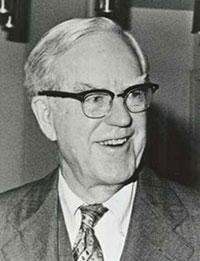
Figure 1. James W. Wallace, president of the Pioneer Hi-Bred Corn Company, announced the formation of the Pioneer Technical Service Department in 1962.
Research Advancements
It was during the 1960s that crop management research at Pioneer also began to take shape. One of the earliest agronomy research concepts utilized at Pioneer was field expositions, or “expos” as they were commonly called, the first of which were conducted at Johnston, IA and Mankato, MN in 1966. The expos were large sets of research plots that featured breeding research, corn management research, and showcased new leader hybrids. This concept expanded through the 1970s and 1980s to numerous Pioneer research stations across the U.S., giving thousands of Pioneer customers the chance to visit a Pioneer expo and see the field research plots firsthand.
Starting in 1970, crop management research was conducted at breeding locations in addition to the expo locations. In 1973, customer locations were added. As personnel and equipment became available, the research was expanded to include the needed locations for statistical analysis and interpretation of data.
Other critical agronomy research innovations during the 1960s involved development of new planting and harvesting equipment that would vastly expand the scale of field research that could be done. In 1968, Pioneer developed a four-row cone planter which allowed two agronomists seated on the planter to dump packets of seed for each individual plot into the planter row unit. This method of planting allowed many more plots and studies to be handled with a small crew.
The next bottleneck to be mastered for plot research was mechanical harvesting. The Pioneer machine shop modified an old Massey Ferguson 35 combine to weigh and sample corn in a custom-fabricated cab. These machines lacked capacity to harvest 150-200-bushel corn and parts for repairs became scarce over time. John Deere and Oliver combines were also modified but the Gleaner K2 eventually became the combine of choice used by Pioneer breeders and agronomy researchers (Figure 2).
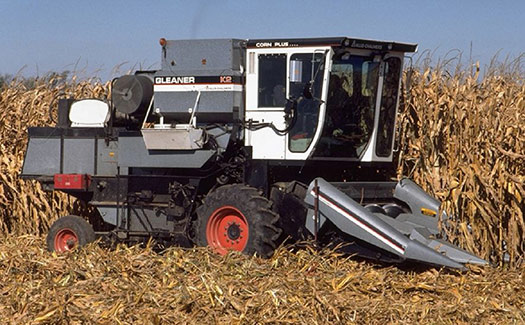
Figure 2. Modified Gleaner K2 combines were used by Pioneer breeders and agronomy researchers for harvesting research plots.
Bringing Insights to Customers
Information delivery has been an essential component of Pioneer Agronomy that evolved right alongside crop management research. Agronomy fact sheets and books of various forms have long been an important way of sharing crop management information with sales reps and customers, often distributed and discussed at customer meetings.
One of the first formal Pioneer Agronomy publications was Keys to Corn Profit, which was first produced in the 1950s and continued up through the 1970s (Figure 3). The typical Keys to Corn Profit booklet from the 1970s contained a review of the past year’s growing conditions, followed by 8 to 10 articles on various corn production topics such as fertility management, planting practices and insect control.
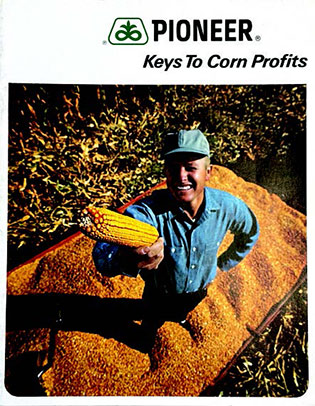
Figure 3. Pioneer Keys to Corn Profits (1968).
Following the establishment of the Pioneer expos in the mid-1960s, annual Corn Management Research Reports were published to summarize keys finding of field experiments conducted that year (Figure 4).
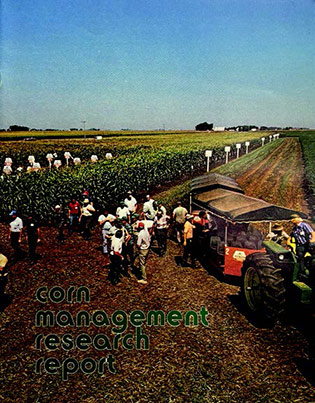
Figure 4. Crop Management Research Report (1973).
Consolidation and Growth
The core components of Pioneer Agronomy that were established during the 1960s and 1970s, underwent significant growth and evolution during the 1980s and 1990s. Two corporate restructurings during the 1980s significantly impacted agronomy at Pioneer. The first of these occurred in 1986 and involved a significant expansion in the number of Pioneer Agronomists. Pioneer marketing was reorganized into eastern and western regions for North America. The newly named Agronomy Service Support Department was organized within the marketing regions, with support staff for the eastern region based in Tipton, IN and the western region in West Des Moines, IA.
A second reorganization in 1988 consolidated Agronomy Service Support into a single organization covering all of North America under the leadership of Ivan Wikner, who had served in a number of Pioneer Agronomy roles since the early 1960s. The two main priorities for the new North America Agronomy Service Support Department were information delivery and crop management research. Significant advances in both areas in the years that followed brought Pioneer Agronomy to a new level of influence and respect in the industry.
Agronomy Publications
Agronomy information delivery underwent a substantial leap forward in quality, sophistication, and coordination during this time. Several familiar newsletters and publications used by Pioneer Agronomy up through the present day have their origins in this era. Walking Your Fields, an agronomy newsletter delivered to customers by mail, was established by the Illinois-Wisconsin sales division in 1982 (Figure 5).
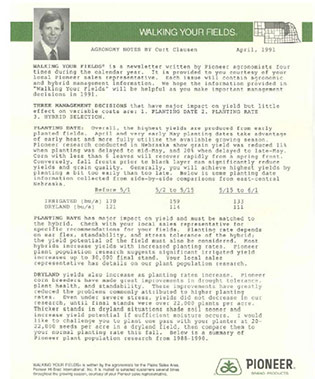
Figure 5. Pioneer Walking Your Fields (1991).
This easy-to-read publication was produced by the farmer’s local agronomist and contained concise, localized information of immediate interest. Pioneer Agronomists from the time recall stories of farmers walking down the driveway to pick up the day’s mail, putting the latest Walking Your Fields on top of the stack and reading it over by the time they got back to the house. By 1990, Walking Your Fields newsletters were being produced across all of North America and it continues to this day as an email newsletter.
The high-quality agronomy articles that have long been synonymous with Pioneer trace back to this era as well, when Steve Butzen joined the North America Agronomy Service Support Department as Agronomy Information Specialist in 1991. Pioneer Crop Insights – the flagship Pioneer Agronomy publication that provides in-depth reviews of high priority national-interest topics – was started the same year (Figure 6).
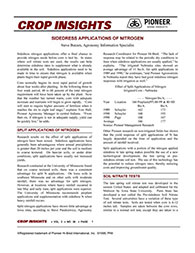
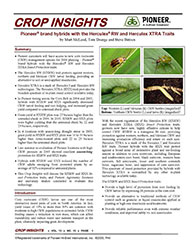
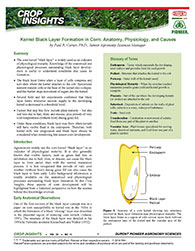
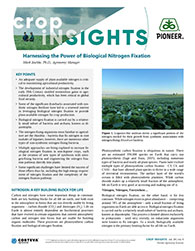
Figure 6. Crop Insights has been Pioneer’s primary agronomy publication for 36 years. Crop Insights articles from 1991, 2005, 2016 and 2024.
Now in its 36th year of continuous publication, Crop Insights has earned a reputation for quality and scientific rigor that has made it one of the most respected agronomy publications in the industry. Additional Pioneer Agronomy publications followed in the footsteps of Crop Insights. Field Facts was started in 2001 to provide comprehensive reviews of important agronomy topics of more regional interest, and Crop Focus was established in 2009 as a shorter form publication providing bullet-pointed highlights of agronomic topics. In total, nearly 2,000 Pioneer agronomy articles have been published since Crop Insights was established in 1991.
Pioneer Agronomy Sciences
Pioneer’s investment in agronomy research also made a big step forward in the early 1990s. Agronomy Service Support underwent a major expansion in 1992 when it took over corn planting rate testing from the plant breeding department for the U.S. and Canada. Dr. Steve Paszkiewicz had been hired to lead Pioneer crop management research the previous year, and several more research scientists and support staff were added to the team over the next few years to conduct plant population testing and numerous other crop management research studies.
Ivan Wikner retired in 1993 after 30 years of service with Pioneer, and Dr. Paul Carter was hired as the new Agronomy Service Support Manager. The increased focus of the agronomy group on rigorous crop management research led to its renaming as Pioneer Agronomy Sciences in the mid-1990s. The Pioneer Agronomy Research Summary was first produced in 1992 as an annual summary of all agronomy field experiments that had been conducted over the previous year. Agronomy Sciences research continued to grow through the mid-1990s to address the need for more agronomy research and technical expertise and to support the launches of new transgenic technologies.
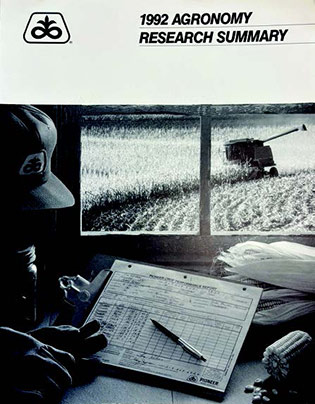
Figure 7. Pioneer Agronomy Research Summary (1992).
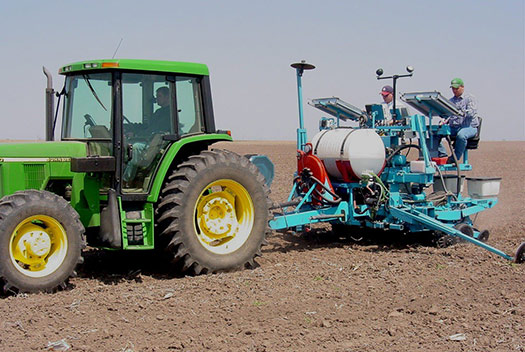
Figure 8. Pioneer Agronomy Sciences research plot planting (2004).
Precision Agriculture
Over its history, Pioneer Agronomy often served as an incubator, developing new ideas and services that were ultimately spun off into standalone teams within the company. One such example was in the mid-1990s with the new field of precision agriculture and yield mapping. The first Pioneer Precision Farming Specialist was hired into the Agronomy Sciences group in 1995, and several additional positions focused on precision agriculture were added over the following few years. During this time, Pioneer Agronomy Sciences was at the forefront of precision agriculture and conducted important early work in variable rate seeding as well as some of the first field-scale split planter trials using spatial yield data (Figure 9).
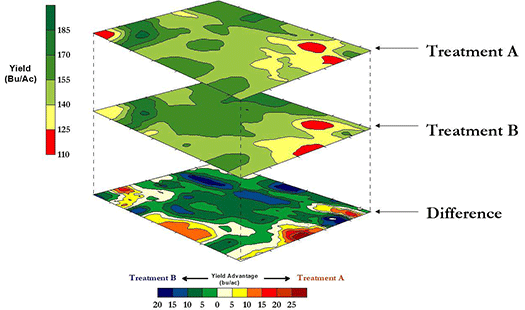
Figure 9. Yield difference map from a Pioneer split-planter trial conducted in the mid-1990s.
Traits and Technologies
Insect protection traits and seed treatments were major research priorities in the early 2000s. Pioneer Agronomy Sciences conducted extensive field research evaluating the efficacy and yield performance of the Herculex® I and Herculex RW traits, co-developed by Pioneer and Dow AgroSciences. Numerous studies evaluated performance of the rapidly expanding array of seed treatments for corn and soybeans. To meet the demand for research data, additional personnel dedicated specifically to seed applied technologies were added to the group and eventually spun off into a separate team. In 2008, the entire research arm of Agronomy Sciences was redeployed into trait characterization research, while agronomy research was transitioned to on-farm trials.
On-Farm Research
The 2010s saw a dramatic expansion in Pioneer on-farm agronomy research. The Pioneer Agronomy Trial Manager position was created in 2010 to coordinate the increased trial workload. On-farm trials allowed new products and technologies to be tested in more locations under a wider range of growing environments. This advantage would prove important for some of the new products Pioneer brought to market during this time.
Optimum® AQUAmax® drought tolerant hybrids were introduced by Pioneer in 2011. From 2010 to 2012 these hybrids were tested in hundreds of on-farm trials to evaluate yield performance and seeding rate response under a wide-range of water-limited and well-watered environments. Insect protection products with integrated refuge – Optimum AcreMax® 1, Optimum AcreMax and Optimum AcreMax Xtra – were also widely tested in on-farm trials during this time. Not only did on-farm trials provide performance data under a wide range of conditions, but they also allowed trial cooperators to get a first look at new products and technologies on their own farms.
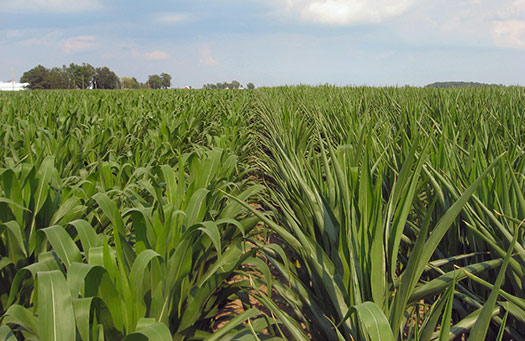
Figure 10. Pioneer Agronomy Sciences on-farm trial showing hybrid differences in drought stress tolerance (2011).
Agronomy Training
| The Pioneer Agronomy Essentials program was launched in 2014 to provide a structured introduction to agronomy for Pioneer field sales team members. |
Another big advancement for Pioneer Agronomy during the 2010s was in agronomy training. Training on agronomy topics for Pioneer Agronomists and sales reps had long been a part of the Pioneer business and historically had been included as a component of sales training. However, in 2009, agronomy training was moved into the Agronomy Sciences group, where it was greatly expanded in scope.
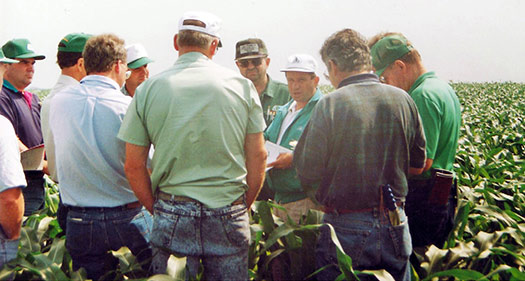
Figure 11. Pioneer Agronomist Jerome Lensing trains a group of Pioneer Sales Representatives in Minnesota in the mid-1990s.
The most significant advancement came in 2014 with the launch of the Pioneer Agronomy Essentials program. This 12-week training program provided a structured introduction to agronomy designed specifically for Pioneer field sales team members. The program built a base knowledge of crops, soils and pests to equip Pioneer employees with the expertise to offer the best solutions to customers.
The Agronomy Essentials program was originally targeted at Pioneer field sales team members in the United States and Canada, but it has since expanded to encompass participants from throughout the company globally. Over 3,700 employees and sales professionals have now completed the program since its inception.
Serving Pioneer Customers
Crop production practices have changed dramatically since the Technical Service Department was created at Pioneer in 1962. The agricultural industry and Pioneer itself have evolved considerably over that time as well. However, the goal of Pioneer Agronomy has remained the same – to provide Pioneer customers with the highest level of agronomy support in the industry. So too have the foundational elements for achieving that goal – talented and dedicated people, sound crop management research and timely and accurate crop management information.
The foregoing is provided for informational use only. Contact your Pioneer sales professional for information and suggestions specific to your operation. Product performance is variable and subject to any number of environmental, disease, and pest pressures. Individual results may vary. Pioneer® brand products are provided subject to the terms and conditions of purchase which are part of the labeling and purchase documents. Pioneer® brand products are provided subject to the terms and conditions of purchase which are part of the labeling and purchase documents.