
Country Selector
Please enter a valid location
How Corn Hybrids of Today vs. Yesterday Respond to Plant Populations
Hybrid Response to Plant Population
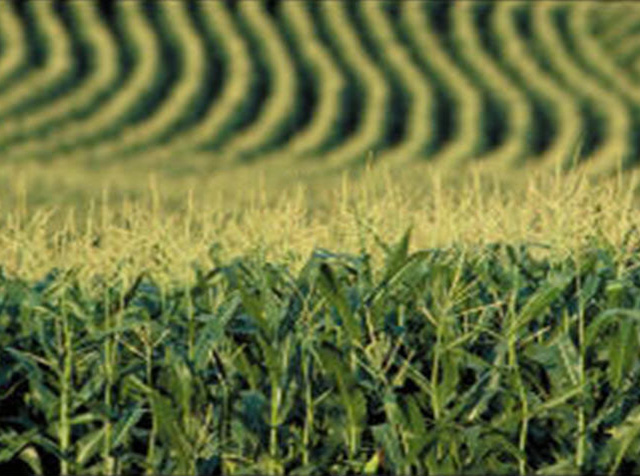
Corn yields have increased significantly during the past 50 years. Improved stress tolerance of hybrids is one major contributing factor, allowing growers to plant at higher populations. The question is considering the advancements in today's corn hybrids, how much more yield potential exists when growers increase plant populations.
Previous Research
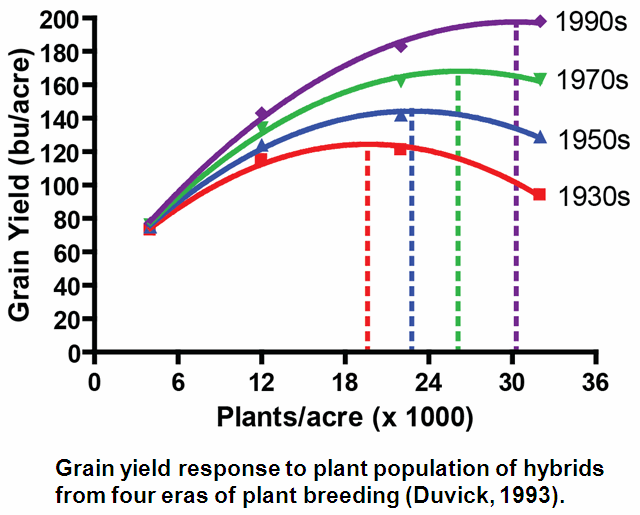
Previous research has shown a consistent increase in optimum population and yield potential of hybrids over time. Previous research shows hybrids from different eras had similar yields at low populations, but newer hybrids yielded much better at higher populations. In this demonstration, Pioneer agronomists set out to show the increased yield potential of modern corn hybrids.
Planting Specifications
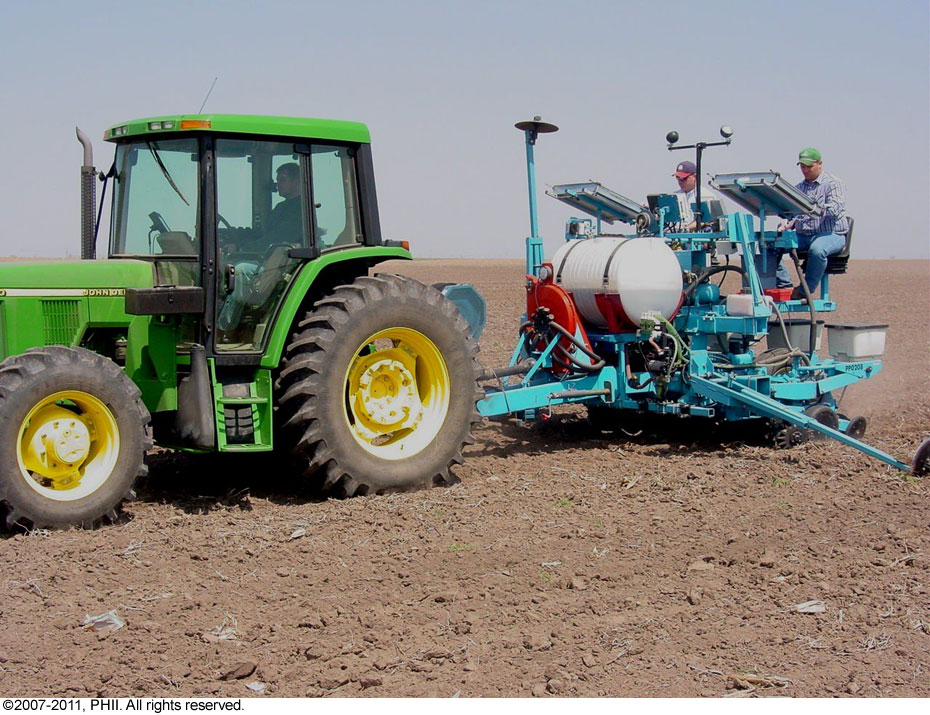
One variety and seven hybrids representing different eras in corn production were planted on May 4, 2010. Hybrids were planted at 12,000 plants per acre (ppa) and 45,000 ppa, pushing the stress limit even on modern hybrids. Hybrids planted included:
- Krug Yellow Dent (1903, open pollinated variety)
- Pioneer® brand 322 hybrid (1936)
- 347 1947)
- 3382 (1976)
- 3394 (1991)
- 33W84 (2008)
- P1395XR (2009)
- P1480HR (2009)
In-season Observations - June
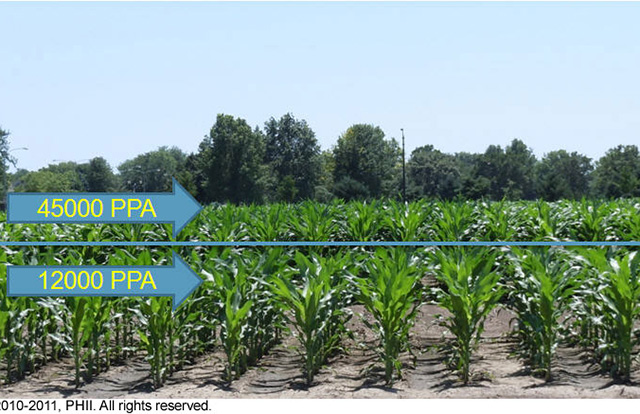
Plant height is greater at the high population compared to the low population for all hybrids.
In-season Observations - July
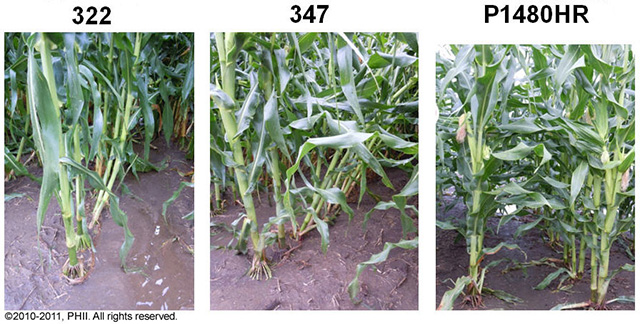
On July 2, root lodging in the 45,000 ppa plots following wind and rain occurrences in Johnston, Iowa, was extensive in the older hybrids, but Pioneer® brand hybrid P1480HR, a new hybrid with a high root strength, had no lodging.
In-season Observations - September
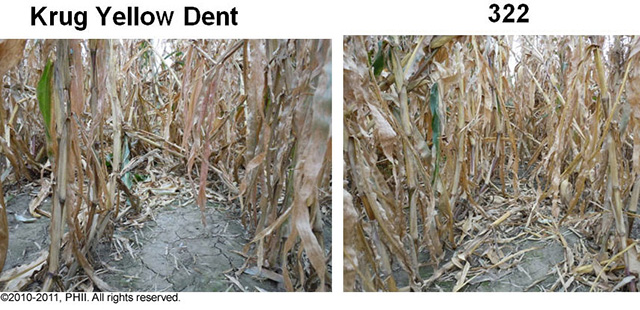
Following a season with excessive rains, including a storm on July 17 producing winds up to 80 mph at the Johnston, Iowa farm, all hybrids had some degree of root lodging at 45,000 ppa except Pioneer® brand hybrid P1480HR. Even before the wind and rain events, the older hybrids were starting to fall down, says Mark Jeschke, Pioneer research agronomy manager.
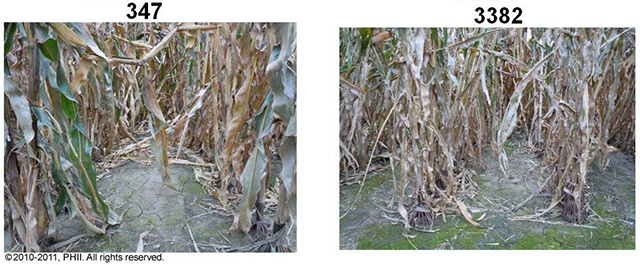
Following a season with excessive rains, including a storm on July 17 producing winds up to 80 mph at the Johnston, Iowa farm, all hybrids had some degree of root lodging at 45,000 ppa except Pioneer® brand hybrid P1480HR.
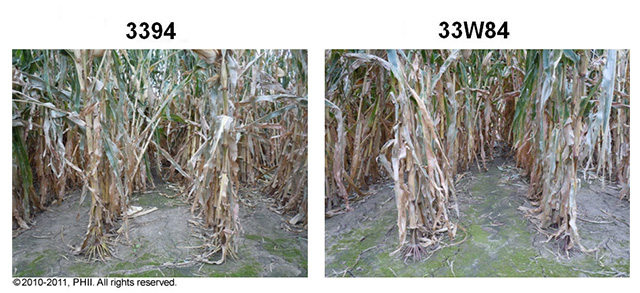
With the excessive rain and winds, even newer hybrids showed some degree of root lodging at 45,000 ppa, says Jeschke. Following a season with excessive rains, including a storm on July 17 producing winds up to 80 mph at the Johnston, Iowa, farm, all hybrids had some degree of root lodging at 45,000 ppa except Pioneer® brand hybrid P1480HR.
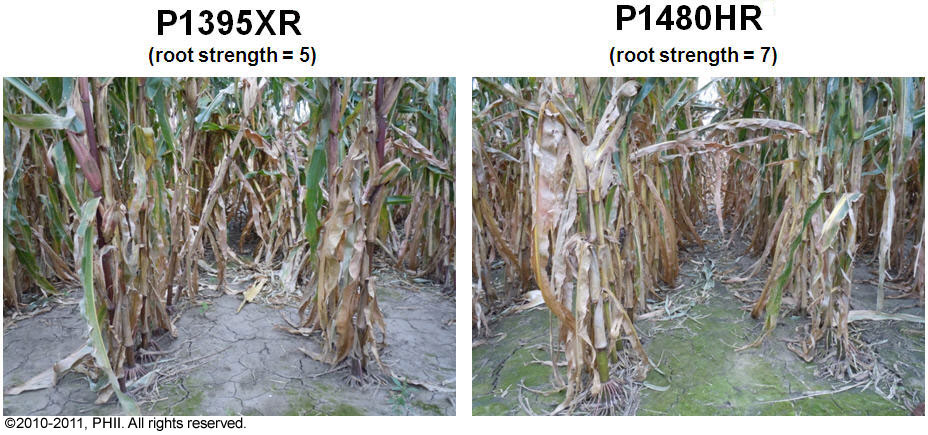
Jeschke notes the root lodging occurrence at 45,000 ppa for P1395XR may have been different had it not been for the excessive rain and wind that occurred throughout the growing season in Johnston, Iowa. All hybrids had some degree of root lodging at 45,000 ppa except Pioneer® brand hybrid P1480HR.
Improved Yield at High Populations
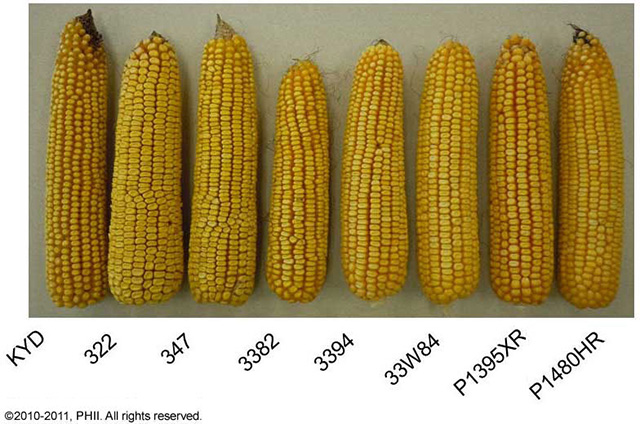
Pioneer agronomists picked ears from each plot and noted ear size did not differ greatly among hybrids at 12,000 ppa.
KYD = Krug Yellow Dent
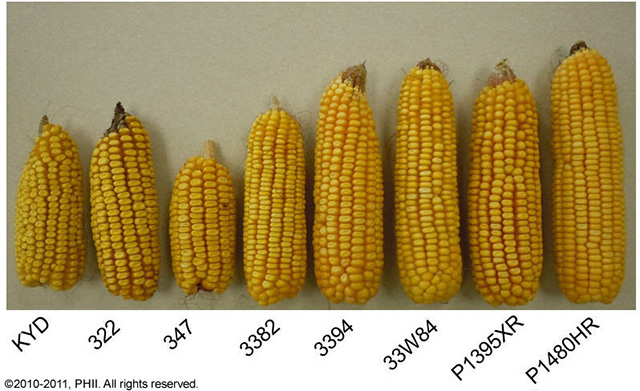
However, at 45,000 ppa, older hybrids produced much smaller ears and many plants were barren, whereas newer hybrids consistently produced moderate sized ears. Jeschke notes this demonstration plot illustrates that with today's hybrids, growers can achieve improved yield at high populations. While 45,000 ppa is on the high side for a plant population, Jeschke notes it's evident that today's hybrids will perform better at higher populations.
KYD = Krug Yellow Dent
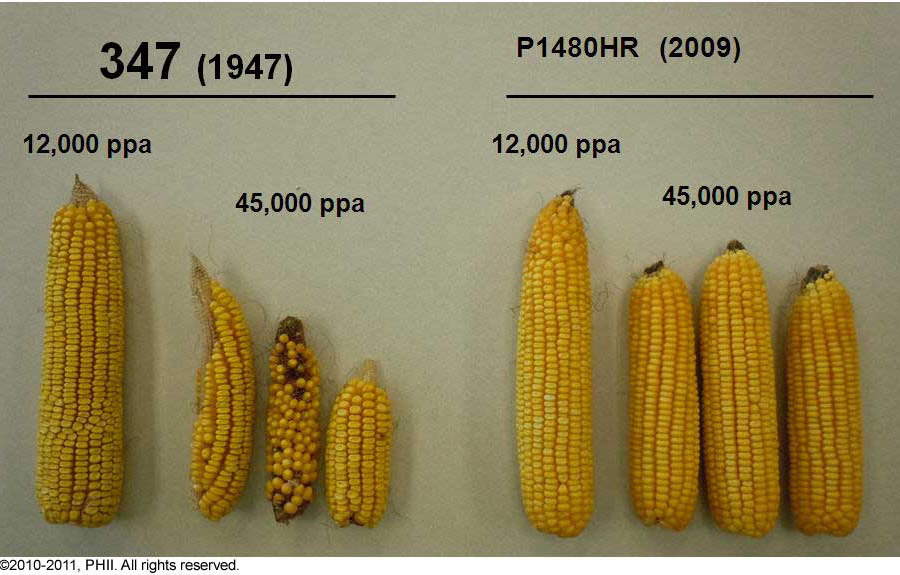
This photo compares ear size of a new hybrid to one that was available 60 years ago. Jeschke notes this photo helps illustrate growers need to find the optimal plant population to maximize yield and today it is most likely a higher ppa.

HX1 – Contains the Herculex® I Insect Protection gene which provides protection against European corn borer, southwestern corn borer, black cutworm, fall armyworm, lesser corn stalk borer, southern corn stalk borer, and sugarcane borer; and suppresses corn earworm. Herculex® I Insect Protection technology by Dow AgroSciences and Pioneer Hi-Bred. Herculex® and the HX logo are registered trademarks of Dow AgroSciences LLC.


HXX – Herculex® XTRA contains both the Herculex I and Herculex RW genes.
Herculex® XTRA Insect Protection technology by Dow AgroSciences and Pioneer Hi-Bred. Herculex® and the HX logo are registered trademarks of Dow AgroSciences LLC.

LL - Contains the LibertyLink gene for resistance to Liberty® herbicide.
Liberty®, LibertyLink® and the Water Droplet Design are trademarks of Bayer.

RR2 - Contains the Roundup Ready® Corn 2 trait that provides safety for over-the-top applications of labeled glyphosate herbicides when applied to label directions.
Roundup Ready® is a registered trademark used under license from Monsanto Company.