
August 18 - 21, 2025

Country Selector
Africa
Asia Pacific
Europe
Latin America and Caribbean
North America
Please enter a valid location
Eastern Crop Tour
- Eastern Route
- Eastern Highlights
- Social Media & Tools
- My Local Team
- East Day 1
- East Day 2
- East Day 3
- East Day 4
Eastern Route
Columbus, OH → Noblesville, IN→ Bloomington, IL → Iowa City, IA → Rochester, MN

Crop Conditions
Overall generally good, fair to good farther west.
Corn
Stand loss from black cutworm in late-planted corn necessitated some replants.


Soybeans
Dectes stem borer is prevalent in soybean fields.

Eastern Route Highlights


More Crop Tour Days
Social Media & Tools
Follow Pioneer:
Tools:

Day 1 Eastern Route - Placeholder
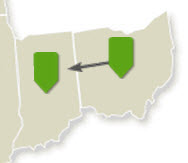
Columbus, OH → Noblesville, IN
Placeholder for leader name -title - copy
Pioneer Leader - Kyle Quick, Field Agronomist
Noblesville, IN
#links to social media profiles

Overall, I believe we are sitting on a good corn crop with a lot of potential to maximize grain fill and test weight.
Crop Conditions - Eastern Indiana - Placeholder
- As of August 19: Corn crop ranges from R2-R5 development stages in much of eastern Indiana.
- Soybean crop growth stages range from R3-R7.
- Early season rain events meant sporadic planting windows for both corn and soybeans.
Corn
- GDU, solar radiation and annual rainfall all are tracking above the 10-year average.
- Foliar diseases set in early, stalled out near pollination, and are now progressing aggressively as we move into later reproductive stages with ample moisture and cooling temperatures.
Soybeans
- Crop will be variable and largely based on planting date and early-season stress mitigation.
- Variable planting conditions and excess rains led to poor early root development in eastern clay-based soil textures.
- Result - decrease in nodulation and late-season nitrogen fixation.
- Late season Phytophthora, SDS and other root pathogens were more predominant from early season stress.
'Highlighter Green' Soybeans
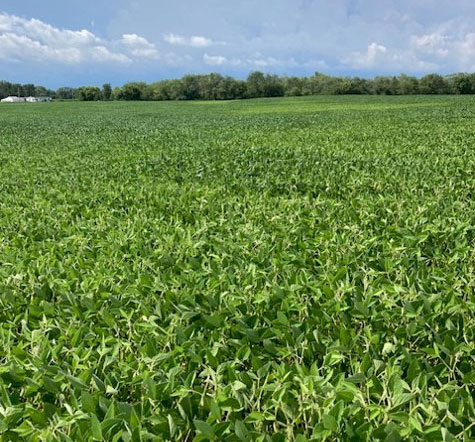
- Early season stress in root development leads to poor root inoculation.
- Nutrient demand during reproductive stages peak and stressed areas begin to show.
- Early planted beans can have more nodes and thus require more N from rhizobium.
Day 2 Eastern Route - Placeholder
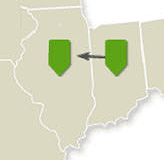
Noblesville, IN → Bloomington, IL
Placeholder for leader name -title - copy
Pioneer Leader - Kyle Quick, Field Agronomist
Noblesville, IN
#links to social media profiles
Overall, I believe we are sitting on a good corn crop with a lot of potential to maximize grain fill and test weight.
Crop Conditions - Central Illinois - Placeholder
- As of August 19: Corn crop ranges from R2-R5 development stages in much of eastern Indiana.
- Soybean crop growth stages range from R3-R7.
- Early season rain events meant sporadic planting windows for both corn and soybeans.
Corn
- GDU, solar radiation and annual rainfall all are tracking above the 10-year average.
- Foliar diseases set in early, stalled out near pollination, and are now progressing aggressively as we move into later reproductive stages with ample moisture and cooling temperatures.
Soybeans
- Crop will be variable and largely based on planting date and early-season stress mitigation.
- Variable planting conditions and excess rains led to poor early root development in eastern clay-based soil textures.
- Result - decrease in nodulation and late-season nitrogen fixation.
- Late season Phytophthora, SDS and other root pathogens were more predominant from early season stress.
- Early season stress in root development leads to poor root inoculation.
- Nutrient demand during reproductive stages peak and stressed areas begin to show.
- Early planted beans can have more nodes and thus require more N from rhizobium.
Day 3 Eastern Route - Placeholder
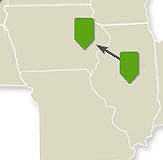
Bloomington, IL → Iowa City, IA
Placeholder for leader name -title - copy
Pioneer Leader - Kyle Quick, Field Agronomist
Noblesville, IN
#links to social media profiles
Overall, I believe we are sitting on a good corn crop with a lot of potential to maximize grain fill and test weight.
Crop Conditions - Eastern Iowa - Placeholder
- As of August 19: Corn crop ranges from R2-R5 development stages in much of eastern Indiana.
- Soybean crop growth stages range from R3-R7.
- Early season rain events meant sporadic planting windows for both corn and soybeans.
Corn
- GDU, solar radiation and annual rainfall all are tracking above the 10-year average.
- Foliar diseases set in early, stalled out near pollination, and are now progressing aggressively as we move into later reproductive stages with ample moisture and cooling temperatures.
Soybeans
- Crop will be variable and largely based on planting date and early-season stress mitigation.
- Variable planting conditions and excess rains led to poor early root development in eastern clay-based soil textures.
- Result - decrease in nodulation and late-season nitrogen fixation.
- Late season Phytophthora, SDS and other root pathogens were more predominant from early season stress.
- Early season stress in root development leads to poor root inoculation.
- Nutrient demand during reproductive stages peak and stressed areas begin to show.
- Early planted beans can have more nodes and thus require more N from rhizobium.
Day 4 Eastern Route - Placeholder
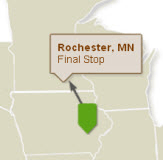
Iowa City, IA → Rochester, MN
Placeholder for leader name -title - copy
Pioneer Leader - Kyle Quick, Field Agronomist
Noblesville, IN
#links to social media profiles
Overall, I believe we are sitting on a good corn crop with a lot of potential to maximize grain fill and test weight.
Crop Conditions - Minnesota - Placeholder
- As of August 19: Corn crop ranges from R2-R5 development stages in much of eastern Indiana.
- Soybean crop growth stages range from R3-R7.
- Early season rain events meant sporadic planting windows for both corn and soybeans.
Corn
- GDU, solar radiation and annual rainfall all are tracking above the 10-year average.
- Foliar diseases set in early, stalled out near pollination, and are now progressing aggressively as we move into later reproductive stages with ample moisture and cooling temperatures.
Soybeans
- Crop will be variable and largely based on planting date and early-season stress mitigation.
- Variable planting conditions and excess rains led to poor early root development in eastern clay-based soil textures.
- Result - decrease in nodulation and late-season nitrogen fixation.
- Late season Phytophthora, SDS and other root pathogens were more predominant from early season stress.
- Early season stress in root development leads to poor root inoculation.
- Nutrient demand during reproductive stages peak and stressed areas begin to show.
- Early planted beans can have more nodes and thus require more N from rhizobium.