Corn Yield Estimator
Project your yield potential before harvest and plan with confidence.

Please enter a valid location
Every central U.S. acre demands more — and Pioneer delivers. As the nation's #1 selling brand of corn and soybeans,¹ we combine proven genetics, advanced traits and local agronomic support into maximum yield potential, season after season. See how we help growers in the Central U.S. get the most out of every bag of seed.

Turn a century of agronomic know-how into action. Digital tools from Pioneer and Granular Insights help you plan, monitor and make confident decisions all season long.
A century of local know-how, organized by where you grow. Explore product guides tailored to your state and region across the Central U.S.
Hear it straight from the field. Pioneer agronomists from the Central U.S. share what this harvest season looks like on the ground.
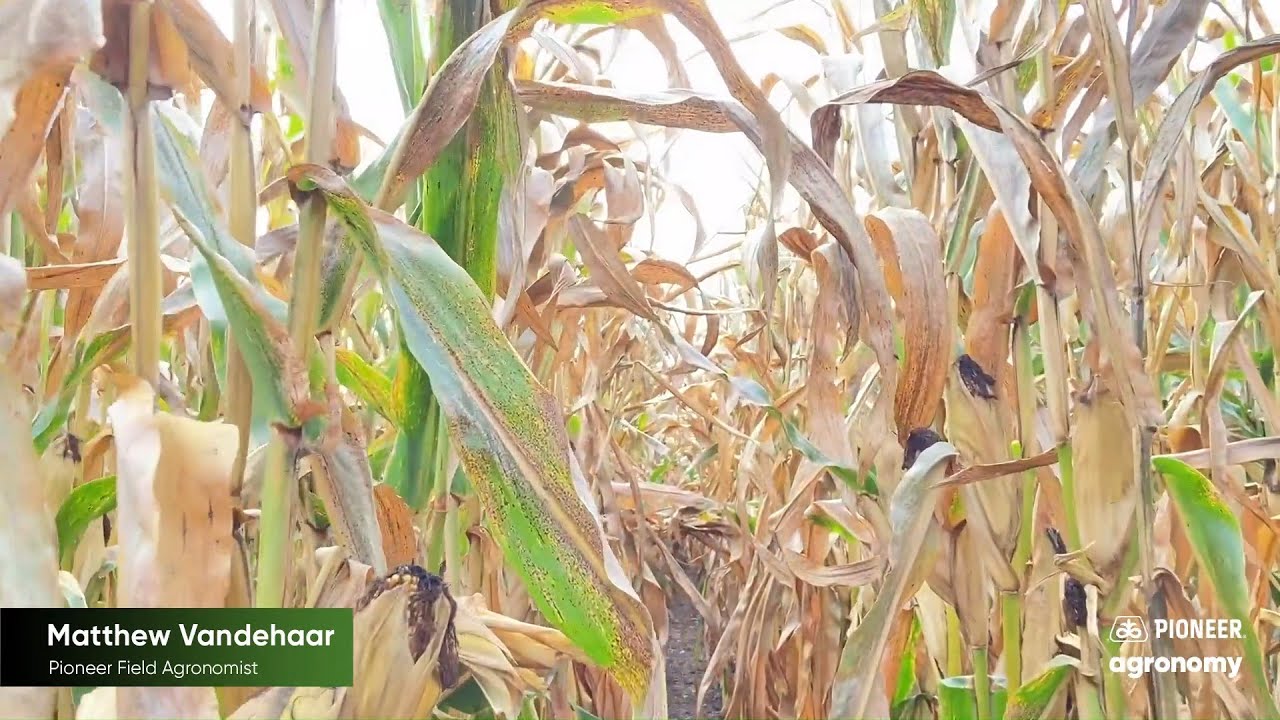
As we assess fields right before harvest, Pioneer Field Agronomist Matthew Vandehaar encourages farmers to take note of late season plant health and Tar Spot infections within fields.
As we assess fields right before harvest, Pioneer Field Agronomist Matthew Vandehaar encourages farmers to take note of late season plant health and Tar Spot infections within fields.

Are your soybean plants looking unhealthy and you’re not sure why? Sudden Death Syndrome (SDS) might be the culprit! In this video, Pioneer Agronomist Eric Rice dives into the causes, symptoms, and what SDS in soybeans looks like.
Are your soybean plants looking unhealthy and you’re not sure why? Sudden Death Syndrome (SDS) might be the culprit! In this video, Pioneer Agronomist Eric Rice dives into the causes, symptoms, and what SDS in soybeans looks like.

So you want to know when your corn is ready to harvest...? Don't JUST look for black layer. Understand what black layer is, what causes it to form and how to tell when your corn is REALLY mature. Learn more about black layer formation.
So you want to know when your corn is ready to harvest...? Don't JUST look for black layer. Understand what black layer is, what causes it to form and how to tell when your corn is REALLY mature. Learn more about black layer formation.
A century of harvests comes down to one thing: performance in the field. See how Pioneer® brand corn and soybean products delivered across the Central U.S. this season.
The right knowledge at the right time makes all the difference. Explore articles, guides and expert insights to help you get the most out of every acre and capture every bushel.
¹According to Kynetic USA, Inc. agricultural sales data for 2024 corn and soybean sales. Copyright 2025 Kynetec USA, Inc.
The foregoing is provided for informational use only. Please contact your Pioneer sales representative for information and suggestions specific to your operation. Product performance is variable and depends on many factors such as moisture and heat stress, soil type, management practices and environmental stress, as well as disease and pest pressures. Individual results may vary. Pioneer® brand products are provided subject to the terms and conditions of purchase which are part of the labeling and purchase documents.