
Country Selector
Please enter a valid location
A Century of Progress in Corn Production
Crop Insights
Written by Lance Gibson, Ph.D., Pioneer Agronomy Training Manager and Mark Jeschke, Ph.D., Pioneer Agronomy Manager
Key Points
- In the early 20th Century, the two-row riding corn planter pulled behind a horse was the most common method for planting corn.
- Harvesting corn was mostly done by hand up through the 1930s. Mechanical corn pickers did not become common on farms until after WWII.
- The reduction in horses as farms switched to tractor power after WWII started a shift to soybean as the primary crop grown in rotation with corn and away from oats and clovers.
- Equipment for applying anhydrous ammonia as a nitrogen fertilizer was introduced in the 1930s and became widely used for corn production in the late 1950s.
- Growing awareness of the soil erosion caused by intensive tillage led to the adoption of conservation tillage methods beginning in the 1970s and accelerating in the 1980s and 1990s.
- The adoption of genetically engineered corn expressing insecticidal proteins from Bacillus thuringiensis (Bt) revolutionized pest management in the 1990s and 2000s.

- Milestones in Corn Production History
- Pre-Hybrid Era 1900–1920s
- Double-Cross Hybrid Era (1930s-1950s)
- Single Cross Hybrid Era (1960s-1990s)
- Biotechnology Era (late 1990s-2000s)
- Advanced Breeding Technologies Era (2010s-Present)
- Second Century of Hybrid Corn (2026-)
Milestones in Corn Production History
The commercialization of hybrid corn a century ago kicked off a revolution in corn production that has driven continuously increasing yields up to the present day (Figure 1). During that time, corn production technology evolved alongside corn genetics, from a mix of hand labor and horse-drawn equipment in the 1920s to the large, efficient, GPS-guided machines of today. Many innovations in corn production technology have helped drive higher yields. Others have come about because of higher yields and the need to efficiently handle an ever-increasing amount of corn produced on each acre of land. Challenges to corn production — such as diseases and insect pests — have evolved as well, necessitating continual innovations in crop protection. This Crop Insights provides an overview of some of the major milestones in corn production technology over the century-long history of the hybrid corn era.
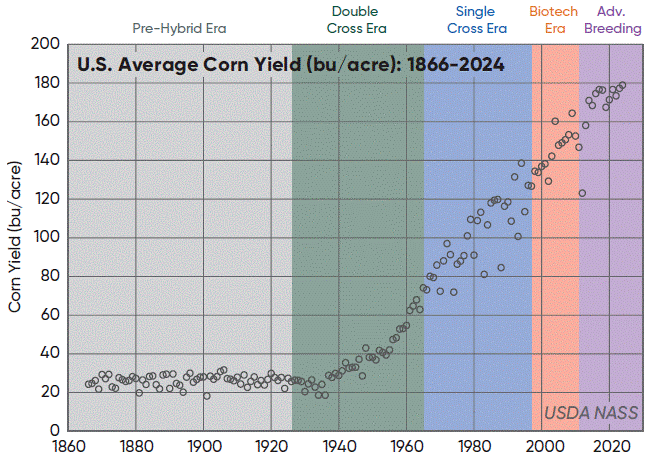
Figure 1. U.S. average corn yields across different eras of corn breeding technology: Pre-Hybrid Era: before 1926, Double-Cross Hybrid Era: 1926 - 1965, Single-Cross Hybrid Era: 1966 - 1995, Biotechnology Era: 1996 - 2010 and Advanced Breeding Technologies Era: 2011 - present.
Pre-Hybrid Era 1900–1920s
In the early 20th Century, the two-row riding corn planter pulled behind a horse was the most common method for planting corn (Figure 2). These planters placed three to four corn seeds together in the soil with the assistance of a check wire. The check wire had regularly placed knots that tripped a mechanism on the planter box to drop the seed. The typical distance between hills and each row was forty-two inches. Being just wider than a horse’s body, this spacing, done in a checkerboard fashion, allowed for inter-row cultivation in any direction to control weeds without damaging the corn plants.
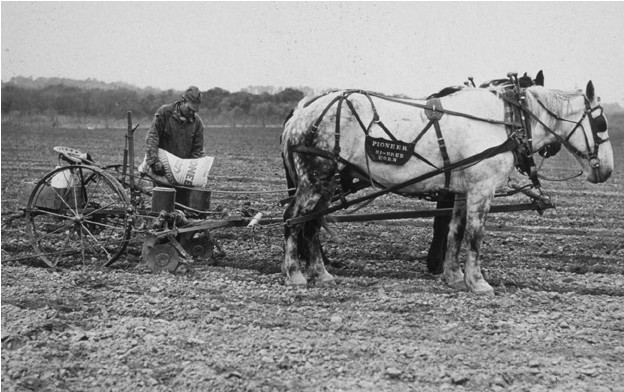
Figure 2. A horse-drawn planter typical of what was used for planting corn at the dawn of the hybrid era.
Soil preparation in the 1910s was done with steel plows and harrows pulled by horses with a driver sitting in the middle of the implement. Crop fertility was provided by what was available from nutrient mineralization in the soil and animal manure. The mechanical, horse-drawn, wheel-powered manure spreader became a standard farm tool in the early 1900s.
In the 1920s, corn planting in the central Corn Belt started in the middle of May and was completed by mid-June. Waiting to plant until the soil temperature was 60°F was required to minimize losses from seed and seedling decay and to help the crop compete with weeds. Harvest in the Corn Belt began in the last half of October with the goal of completing by Thanksgiving. Average U.S. corn yields remained relatively unchanged from 1866 to 1916 at around 26 bu/A.
Most corn was hand harvested using the hook method of corn husking. One person with a team of horses and a wagon harvested two rows at a time. The picker would “husk” the ear off each plant using a hook attached to his hand with a leather strap. The opposite side of the wagon was equipped with a “bang board” against which the picker threw the husked ear (Figure 3).
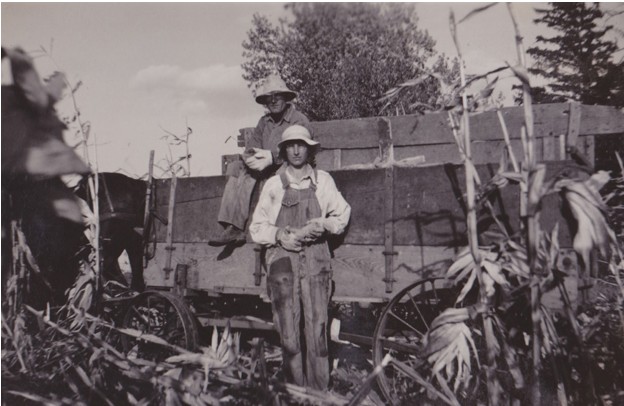
Figure 3. Hand-harvesting corn; 1939.
Although invented in 1909, corn picking machines were used only on the largest farms for many years. Use of the combustion-engine tractor was in its infancy with less than 15% of farms having them in 1926 (Figure 4).
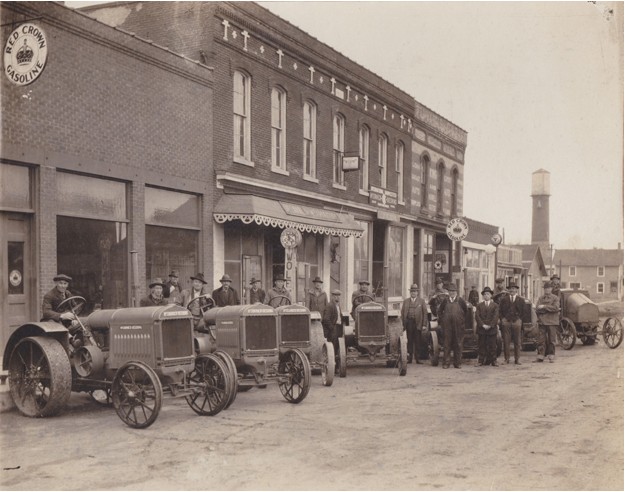
Figure 4. A group of farmers taking delivery of new tractors. Lena, Illinois; 1925.
The Haber-Bosch process for industrial production of ammonia developed in Germany was rapidly ramping up in the U.S., but its use in the production of crop fertilizers was still limited. Superphosphate, containing 16 to 20 percent P2O5, was the most important fertilizer material, but was used on a relatively small scale.
The most economically important diseases during this era were ear and seedling rots. The European corn borer had recently destroyed the corn crop in southern Ontario and was rapidly moving into northwest Ohio and northeast Indiana. This caused panic within the Corn Belt leading to the appropriation of significant funds from the U.S. Congress for the undertaking of a comprehensive control campaign in cooperation with state and county organizations.
Double-Cross Hybrid Era (1930s-1950s)
The double cross hybrid era was a period of rapid change in corn productivity and production methods, driven in large part by the rapid switch from open pollinated varieties to hybrid corn during the 1930s. After being stagnant for more than six decades, U.S. average corn yield began a steady increase with the adoption of hybrid corn.
| After being stagnant for more than six decades, U.S. average corn yield began a steady increase with the adoption of hybrid corn. |
The switch to planting and cultivating corn with tractors began in the 1920s with the introduction of the Farmall tractor manufactured by International Harvester. Due to its narrow front wheel arrangement, the Farmall was the first tractor that could make the tight turns required to efficiently plant and cultivate with the two-row equipment of the day (Figure 5).
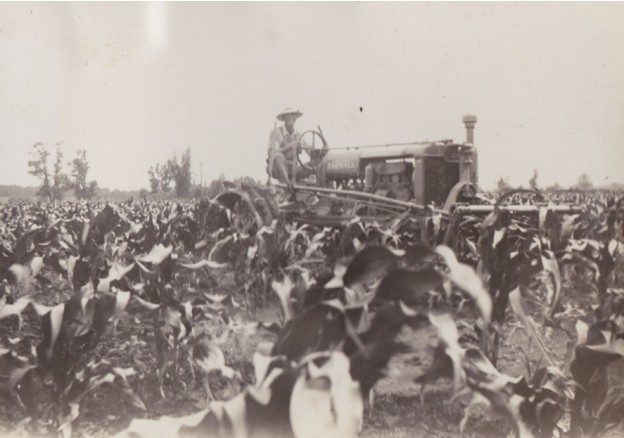
Figure 5. Cultivating corn with a tractor; late 1930s.
However, most farmers still pulled their planters with horses into the 1940s because it was much easier to get on and off the planter at the end of each row to reset the check-row wire than to get on and off a tractor. It would be 1945 before tractor power surpassed horsepower on U.S. farms and 1954 before farms had more tractors than horses and mules.
As tractors became more widely used for planting, farmers switched from planting in hills using a check wire to “drilling” in rows. Spacing between rows was reduced from the 42 inches required to accommodate cultivating with horses to 36 or 38 inches. The switch from using horses to tractors for planting was accompanied by a switch to using interrow cultivators mounted on tractors for weed control. Four-row planters became more widely used in the 1950s and six-row equipment became available in 1957.
Equipment for applying anhydrous ammonia as a nitrogen fertilizer was introduced in the 1930s and became widely used for corn production in the late 1950s. Increasing use of nitrogen, phosphorus and potassium fertilizers allowed farmers to capitalize on the higher yielding corn hybrids resulting from advancements in corn genetics through breeding.
| Anhydrous ammonia came into wide use as a nitrogen fertilizer in corn production in the late 1950s. |
A loss of domestic sources of fats, oils and protein meals during World War II stimulated the creation of a soybean production and processing industry in the U.S. These developments, along with the reduction in horse numbers, started a shift to growing corn in rotation with soybean and away from rotation with oats and clovers. Soybean acreage in the United States increased significantly between 1940 and 1965, growing from approximately 6 million to 34 million acres (Figure 6). Total harvested oat acres were approximately 38.6 million in 1940 and had decreased below 18 million acres in 1965.

Figure 6. Total planted area of major crops in the United States; 1926 - 2025 (USDA-NASS). Click here or on the image above for a larger view.
The use of herbicides for weed control began at the conclusion of World War II with the introduction of 2,4-D in 1945. Advances in herbicides for corn production occurred with the launch of atrazine in 1958 and dicamba in 1965. While these herbicide active ingredients improved weed management by farmers, inter-row cultivation continued to be used to complement them.
While corn rootworm damage was first noted in 1909, it began to rapidly expand as a major corn pest in the 1950s with more widespread planting of continuous corn. By 1959, control failures were reported as the insect developed resistance to the organochlorine insecticides that were commonly used at the time. Diplodia stalk and ear rot was a prevalent issue in the early 20th century. Burying crop residue through fall moldboard plowing, which became a common practice starting in the 1930s, significantly reduced its occurrence.
| A major advancement in American agriculture occurred in 1940 with the invention of the center pivot irrigation system. |
The use of irrigation in U.S. corn production remained relatively low up to the early 1960s at less than 2 million acres. A major advancement in American agriculture occurred in 1940 with the invention of the center pivot irrigation system. This groundbreaking technique allowed water to be efficiently distributed across large fields through pipes on wheels that slowly move across fields in a circular pattern. Adoption of center pivot irrigation by famers was slowed significantly by problems with early designs. Design modifications through the 1940s and 1950s and new technology for drilling and pumping water from deep wells stimulated an increase of irrigated corn acres in the Plains states beginning in the mid-1960s.
The harvesting process in the 1930s still heavily relied on manual labor. The first mechanical corn picker for removing ears from corn plants was invented in 1907, but it wasn’t until 1928 that the first widely successful corn picker was introduced. This mechanization of harvest greatly increased the number of acres a single operator could harvest in a day from less than one in 1928 to as many as 15 by 1960. Both pull-behind and tractor-mounted corn pickers were used, and most harvested just one or two rows at a time (Figure 7). By 1955, the USDA estimated there were 650,000 corn pickers on American farms.
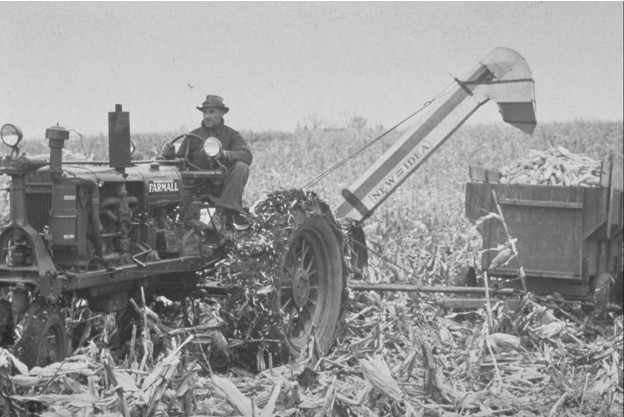
Figure 7. Harvesting corn with a tractor-pulled corn picker in the 1930s.
Combine harvesters that cut and threshed the grain with the same machine were used for small grain harvest for several decades before they were adapted for corn harvesting in the 1950s. Early versions harvested two rows, expanding to four and six rows by the end of the 1960s. The introduction of on-farm systems for drying, aerating and mixing shelled grain in the early 1960s eliminated the need for storing corn on the ear in cribs before shelling and grinding. As agricultural engineers solved the technical challenges of harvesting tough corn stalks, the adoption of the combine was rapid. By the mid-1960s, annual sales of corn heads for self-propelled combines exceeded the sales of mounted corn pickers.
| Combine harvesters that cut and threshed grain with the same machine were used in small grains for several decades before they were adapted for corn in the 1950s. |
Single Cross Hybrid Era (1960s-1990s)
Changes in corn production methods and productivity continued to accelerate with the introduction of single-cross corn hybrids in the late 1960s. Between the late 1960s and the late 1990s, corn yield increased by an average of 1.6 bushels per acre per year. The dramatic increases in corn yield can be attributed to both genetic improvements and advancements in farming technology and management practices. Genetic advancements included the development of improved hybrids with greater yield potential and enhanced resistance to stressors like drought. Agronomic and management improvements included higher planting densities, advanced fertilization and irrigation practices, more effective weed control and improved machinery.
More farmers began growing corn in rotation with soybeans as breeders released a larger assortment of high-yielding soybean varieties. In 1966, soybeans were harvested on 37.5 million acres (a record at the time) with a yield of 25.4 bu/A. By 1997, the harvested acreage had nearly doubled to approximately 70 million acres. The northern Great Plains, particularly North and South Dakota, saw substantial increases in soybean acreage during the 1990s, driven by improved genetics and rising crop prices. This period also saw further decline in oat acreage, from around 18 million acres in 1966 to approximately 5 million acres in 1997.
In the 1960s, conventional tillage methods for growing corn involved intensive plowing, disking and harrowing to prepare a smooth, firm seedbed as well as mechanical weed control (Figure 8).
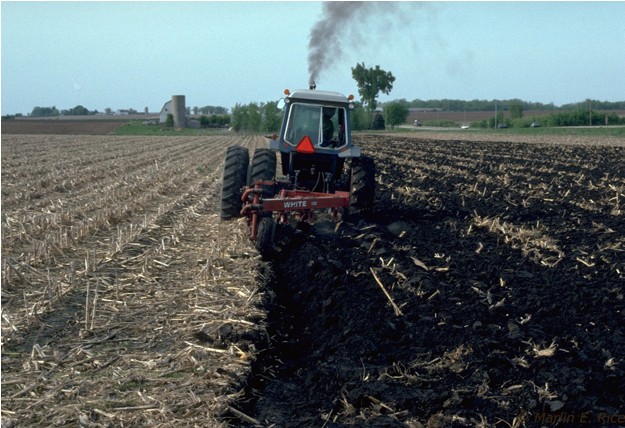
Figure 8. The 1970s and 1980s saw a shift away from intensive tillage using implements such as the moldboard plow shown here and greater adoption of reduced tillage and no-till.
Growing awareness of the soil erosion caused by intensive tillage led to the adoption of conservation tillage methods beginning in the 1970s and accelerating in the 1980s and 1990s. This shift was also driven by advancements in equipment technology, the development of corn hybrids with greater resilience to cold, damp seed beds and greater use of chemicals for weed, insect and disease control. U.S. farm policy during the 1980s and 90s encouraged the use of conservation practices, especially on highly erodible land. Conservation tillage techniques included reduced tillage, no-till, ridge tillage and mulch-till, all of which aimed to leave more crop residue on the soil surface to protect it from erosion.
Corn planters saw significant advancements in size, efficiency and technology during the single cross hybrid era (Figure 9).
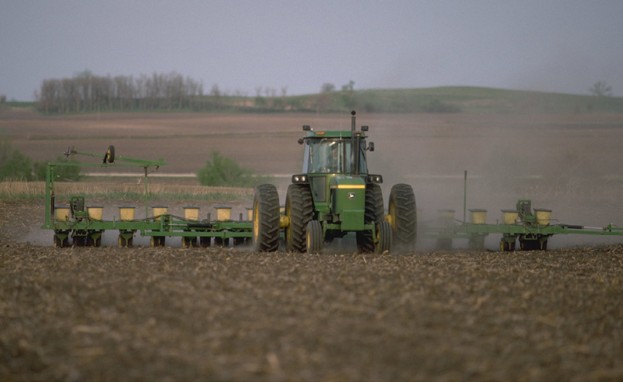
Figure 9. During the single cross hybrid era, corn planters increased considerably in size, efficiency and accuracy.
The late 1960s marked a move away from seed plates, with John Deere introducing the 1200 and 1300 series of plateless planters in 1968, and Allis-Chalmers producing the first commercially successful no-till planter system in 1966. The 1970s brought air-powered metering systems, such as International Harvester’s Cyclo Air planter in 1971, and larger, more precise planters like John Deere’s 7000 and 7100 MaxEmerge models introduced in 1975.
Kinze also introduced the first rear-folding planter toolbar in 1975, making larger planters easier to transport between fields. The 1980s and 1990s continued this trend with planters growing to 16 and 24 rows, and manufacturers focusing on improving seed placement accuracy. By the 1990s, most corn growers were planting corn in 30-inch row spacing. The number of seeds planted per acre in the U.S. Corn Belt saw a steady increase from around 20,000 seeds per acre in the late 1960s to around 30,000 seeds per acre in the late 1990s.
Farm tractors underwent significant improvements in power, comfort, safety and efficiency during the single cross hybrid era. Power output increased substantially, with larger four-wheel-drive and articulating tractors becoming more common to handle larger implements. While late 1960s models often had less than 100 horsepower, by the mid-90s, some tractors were exceeding 400 horsepower. Although introduced earlier, front-wheel assist technology became more widespread in the 1980s, offering improved traction and power delivery for heavy tillage work (Figure 10).
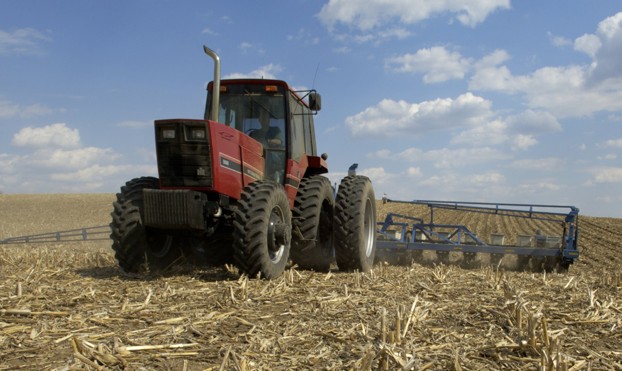
Figure 10. Tractors with front wheel assist became widely available during the 1980s.
The 1960s and 1970s experienced a dramatic expansion in fertilizer use, driven by new hybrids and low nitrogen costs. However, fertilizer use peaked in 1981 and then moderated, with improved efficiency and genetic advancements allowing for higher yields without increased nitrogen. Environmental concerns about nutrient loss and pollution led to early efforts to recommend lower nitrogen rates and explore new management practices. Technological and regulatory milestones, such as the introduction of nitrogen stabilizers and advanced application equipment, further influenced fertilization practices during this period. A key development was the discovery of the nitrification-inhibiting nitrapyrin in the late 1950s by Dow Chemical Company scientists. This led to the commercial introduction of the N-Serve stabilizer in 1976.
The amount of irrigated U.S. land dedicated to corn cultivation increased substantially during this era, growing from less than 2 million acres in 1966 to more than 10 million acres, accounting for 15% of total corn acres, by 1997. Irrigated corn production in the United States shifted from primarily relying on flood-based systems to a much wider adoption of more efficient technologies, particularly center-pivot irrigation. This expansion occurred alongside a broader move eastward in irrigated agriculture, allowing farmers in the traditionally drier Great Plains and newer areas to achieve more consistent and higher yields.
A major shock occurred in the early 1970s, when a widespread outbreak of southern corn leaf blight (SCLB) resulted in significant yield losses. Advances in genetics led to the creation of cytoplasmic-sterile breeding lines and fertility-restoration genes, eliminating the need for manual detasseling of corn plants to produce hybrid seeds. However, the shift to uniform hybrid corn varieties increased genetic vulnerability to widespread epidemics. The introduction of Texas male-sterile cytoplasm (cms-T) in the 1950s, which was widely adopted by the late 1960s, made the corn crop highly susceptible to a new virulent race of the SCLB fungus. This led to a devastating epidemic in 1970, causing significant yield losses. The epidemic was one of the costliest agricultural issues in North American history, destroying 15% of the U.S. corn crop and causing an estimated $1 billion in losses. In response, seed companies returned to manual detasseling for corn seed production.
| The southern corn leaf blight outbreak of 1970 destroyed around 15% of the U.S. corn crop, causing over $1 billion in losses. |
Western corn rootworm (WCR), maize dwarf mosaic virus (MDMV) and gray leaf spot (GLS) emerged or became more prevalent during the single hybrid era, further challenging corn production. The range of WCR underwent a major expansion and developed new adaptations. After causing damage in Nebraska in the 1940s, the pest expanded eastward, reaching Indiana by the 1970s and the east coast by the 1990s. During the 1990s, a new WCR variant capable of laying eggs in soybean fields and infesting rotated corn emerged in Illinois and Indiana.
MDMV, an aphid-transmitted virus first identified in Ohio in 1962, caused significant yield losses in several corn-producing states, but became less of an issue with the introduction of resistant hybrids in the 1970s. GLS became more widespread with the increased use of reduced-tillage and no-till practices. Major outbreaks in the mid-1990s led to the development of hybrids with greater GLS resistance.
Corn harvest during this period was marked by increased machine size, performance and automation, greatly enhancing harvest efficiency. The 1970s brought the rotary combine (Figure 11), with International Harvester and New Holland leading innovations.
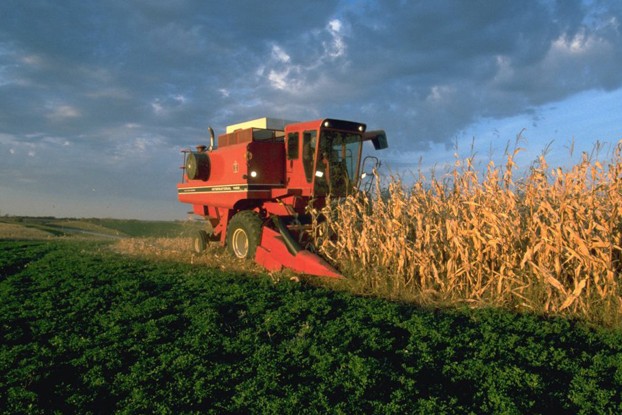
Figure 11. International Harvester axial-flow rotary combine introduced in the late 1970s.
The 1980s saw significant improvements in automation and operator comfort. By the 1990s, early precision agriculture technologies like GPS and yield monitoring began to emerge. A 1960s-era corn picker attached to a tractor could harvest about five acres per day, while combines sold in the 1990s could harvest up to 70 acres per day.
Development of auger-unloading, two-wheel grain carts by several shortline manufacturers led to expanded use of on-the-go grain unloading from combines (Figure 12).
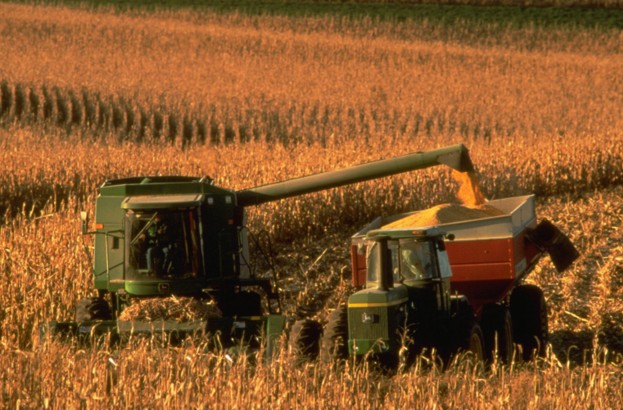
Figure 12. Two-wheeled grain carts with unload augers were an important innovation that increased the speed and efficiency of harvesting higher-yielding corn.
These carts proved much more maneuverable and efficient than the more cumbersome four-wheel grain wagons, which were typically parked at the field margins to receive grain from the combine. The use of grain carts to shuttle corn from running combines to larger semi-trucks positioned near field entrances began to surpass the use of grain wagons in the late 1990s and greatly increased the speed and efficiency of harvest operations.
Biotechnology Era (late 1990s-2000s)
The biotechnology era of corn production began with the introduction of insect-resistant Bt hybrids in 1996. A combination of yield protection from biotech traits and genetic gain through breeding increased the average rate of corn yield gain for this period to 2.3 bushels per acre per year. During the biotechnology era, there was a significant shift towards conservation tillage techniques, particularly no-till farming, which coincided with the widespread adoption of herbicide-tolerant (HT) corn. This shift led to increased yields, improved soil health, reduced erosion and lower costs. The adoption of no-till farming grew rapidly, while mulch-till and reduced tillage methods also became more prominent.
| Bt corn — introduced in 1996 — was planted on 19% of U.S. corn acres by 2000 and increased to approximately 63% by 2010. |
The adoption of genetically engineered (GE) corn expressing insecticidal proteins from Bacillus thuringiensis (Bt) revolutionized pest management for corn. Bt corn was planted on 19% of U.S. corn acres by 2000 and increased to approximately 63% by 2010. This technology significantly reduced the need for broad-spectrum insecticide applications, as Bt corn effectively controlled lepidopteran pests like ECB. The introduction of corn insect protection traits for corn rootworm began in the early 2000s, marking a significant shift toward biotechnology as a management tool against this devastating pest. This provided growers with a powerful, in-plant defense that reduced reliance on soil-applied insecticides, leading to improved root health, reduced crop lodging and increased yield potential.
Corn planter technology also continued to evolve during this era from mechanical systems to sophisticated, electronically controlled equipment capable of precision planting. GPS guidance systems transformed planting practices, reducing operator fatigue and enabling extended work hours. Variable-rate technology allowed farmers to adjust seeding rates based on field conditions, while improved seed metering and placement technologies, such as vacuum meters and advanced monitoring systems, ensured accurate seed placement. Additionally, advancements in downforce technology and bulk seed handling systems further optimized planting efficiency and consistency.
The use of seed treatment expanded dramatically in the early 2000s, particularly with the widespread adoption of neonicotinoid insecticides and advanced fungicides. This was driven by a combination of factors, including increased corn market prices, a shift toward conservation tillage practices that left more crop residue harboring pathogens, and earlier planting in colder, wetter soils. Seed treatments offered protection against early-season insect pests like wireworms and seedling diseases such as Pythium and Fusarium, which could threaten stand establishment and vigor.
By the early 2000s, precision agriculture technologies became mainstream, integrating new technologies with traditional practices to enable site-specific, data-driven decisions. The adoption of GPS guidance, real-time yield monitoring and on-board data processing transformed how farmers managed their crops. Yield monitors on combines, which tracked harvested crop volume, became standard, generating yield maps that helped farmers identify and address low-performing field areas (Figure 13). Precision farming tools improved nutrient use efficiency by allowing more targeted fertilizer applications.
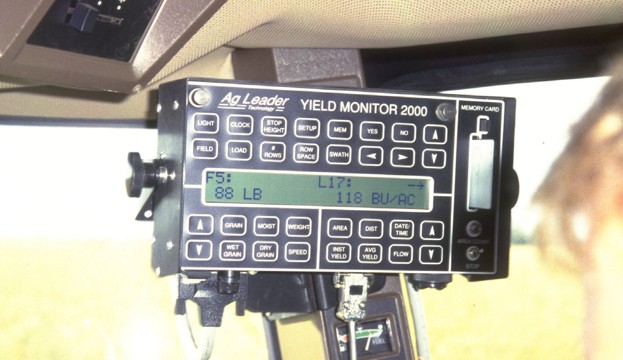
Figure 13. Yield monitors were introduced in the 1990s and became standard equipment in the 2000s.
Advanced Breeding Technologies Era (2010s-Present)
While much of the public focus on biotechnology has been on transgenic crops, other molecular technologies have contributed to substantial advances in plant breeding and seed product development in recent decades. Foremost among them have been the use of molecular markers and doubled haploid techniques. The corn seed products resulting from these technologies became widely available to farmers in the second decade of the 21st century (Figure 14).
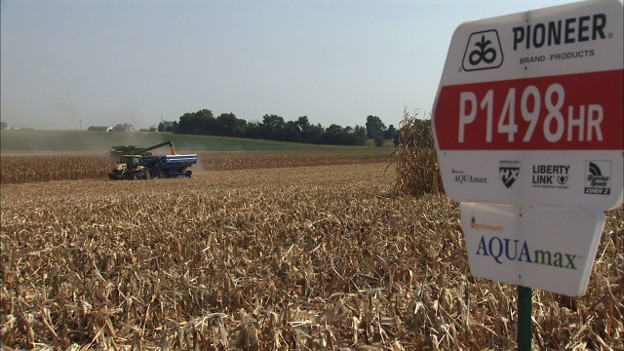
Figure 14. Optimum® AQUAmax™ corn hybrids were the first seed product concept delivered using DNA markers covering the entire corn genome to improve quantitative traits.
Field preparation for corn production has continued to evolve towards more sustainable and data-driven practices since 2011. Significant growth in no-till and reduced tillage practices led to conservation tillage reaching 76% of all U.S. corn acres by 2021. Strip-tillage became more common, offering comparable yields to intensive tillage but at lower costs. The use of cover crops significantly increased, driven by environmental conservation efforts and government incentives.
Corn planter technology has continued to evolve during this era, transitioning from mechanical controls to fully integrated, data-driven systems focused on precision, high-speed planting and automation. Key advancements included electric drive seed meters, high-speed seed delivery systems and active downforce control. Additionally, in-cab displays and real-time sensing technologies provided operators with detailed metrics and high-definition maps, enabling instant diagnostics and adjustments.
Optical spray technology came on the scene in the 2010s. Initially focused on “green-on-brown” systems for fallow ground, it advanced to “green-on-green” systems capable of operating within crops. This evolution was driven by advancements in machine learning and camera technology, enabling greater accuracy and efficiency. Early systems like WEED-IT and WeedSeeker used simple optical sensors to detect chlorophyll and trigger specific nozzles. By 2017, technologies like Blue River Technology’s “See & Spray” used AI and machine learning for more precise weed targeting.
Corn disease management has seen significant advancements since 2011 due to the emergence of new diseases like tar spot and bacterial leaf streak, as well as the re-emergence of diseases such as southern rust, fungal stalk and ear rots and corn stunt. Key strategies included the development of hybrids with improved resistance, the identification of specific resistance genes and the use of advanced breeding tools like genome-wide association studies. Fungicide applications have become more common, with newer fungicide products containing multiple modes of action to combat resistance.
Second Century of Hybrid Corn (2026-)
Continued advancements in agricultural technology and breeding are expected to boost corn yields even further over the coming decade. Opportunities in corn product development include using gene editing to speed up as well as to reduce the cost of the breeding process, stacking genes for resistance to the major corn diseases, novel modes of action for insect resistance and creation of short-statured hybrids that can withstand extreme weather events. New knowledge of the corn genome and physiological processes will be used to improve yield potential, agronomic traits and end-use qualities. Protecting the corn crop from diseases and pests as well as stimulating crop growth will continue to shift from chemical to biological solutions, whether incorporated directly into corn hybrids or applied to the soil, seed or plants.
Innovations in corn production technology will center on precision agriculture, leveraging AI, robotics, internet of things (IoT) sensors, drones and artificial intelligence to optimize every aspect of production from planting through harvest, storage and delivery to the end user. Greater automation will result in autonomous harvesters and tractors, enhanced real-time data from integrated sensors and satellite imagery, and data-driven decisions powered by machine learning for predictive pest control and resource management. This shift will be used to increase yields, reduce waste and improve sustainability in corn production, making production more efficient, profitable and environmentally friendly.
Most farms will continue to be under family ownership, but they will increasingly require a team of employees with expertise in business management, agronomy, technology, logistics and marketing.
The foregoing is provided for informational use only. Contact your Pioneer sales professional for information and suggestions specific to your operation. Product performance is variable and subject to any number of environmental, disease, and pest pressures. Individual results may vary. Pioneer® brand products are provided subject to the terms and conditions of purchase which are part of the labeling and purchase documents.
