
Country Selector
Please enter a valid location
Pioneer at 100 - A Look Back at a Century of Growth
Crop Insights
Written by Lance Gibson, Ph.D., Pioneer Agronomy Training Manager and Mark Jeschke, Ph.D., Pioneer Agronomy Manager
Key Points
- The selection techniques used by farmer-breeders to create open pollinated varieties had little impact on improving corn yield, which remained between 20 and 30 bu/A on average from 1860 until the 1930s.
- Henry A. Wallace was one of the first people to understand the significance of the methods for hybridizing corn that were first published by George Shull in 1909.
- Wallace organized a group of Des Moines businessmen to form the Hi-Bred Corn company, which was incorporated in Iowa on April 20, 1926. Pioneer was added to the company name in 1935.
- As the first company devoted solely to marketing hybrid corn seed, Pioneer was instrumental in establishing many industry norms that are still in practice today.
- Raymond Baker led corn breeding at Pioneer for over 40 years and built the foundation for Pioneer’s rapid growth in the U.S. and around the world.
- The breadth and depth of its germplasm has remained a key differentiator for Pioneer for a century.
- A Century of Progress
- A Revolution in Corn Breeding
- Formation of the Hi-Bred Corn Company
- Farmer Adoption of Hybrid Corn
- U.S. Expansion of the Pioneer Hi-Bred Corn Company
- Pioneer Leadership in the Seed Corn Industry
- Pioneer Hybrid Numbering System
- International Expansion
- Pioneer Takes the Lead in Agronomy Support
- Pioneer Differentiation in the Marketplace
- Expansion of Pioneer Research and Development
- Pioneer Business Grows and Evolves
- Growth in Pioneer Agronomy Support
- Industry Changes
- Rapid Adoption of Biotechnology
- R&D Expansion in the Biotechnology Era
- Leadership in Precision Agriculture
- Introduction of the PROBOX Seed Handling System
- Continued Focus on Seed Quality
- Molecular Technologies Revolutionize Plant Breeding
- Breeding Innovations Leveraged a Broad and Deep Germplasm Library
- Ownership Changes
- Looking to the Future
- The Second Century of Pioneer
A Century of Progress
As Pioneer celebrates its 100th anniversary in 2026, this milestone offers a moment to reflect on a century of innovation, leadership and impact in the seed industry. Founded by Henry A. Wallace in 1926, Pioneer began as a bold experiment in corn breeding and quickly grew into a driving force for agricultural progress. Wallace’s vision and scientific curiosity laid the foundation for a company that would revolutionize crop genetics, empower farmers and set enduring standards for quality and agronomic support. This Crop Insights traces Pioneer’s journey from its origins in Iowa to its global leadership, honoring the legacy of its founder and the generations who have shaped its story.
A Revolution in Corn Breeding
Prior to the development of hybrid corn, all corn produced by farmers consisted of open pollinated varieties, which were the result of selection of ears and seeds by farmers from fields where corn pollen was allowed to freely flow among plants. The most widely grown open-pollinated varieties were Corn Belt dents created by farmer breeders in the late 1800s and early 1900s. Seed selection by farmers was visually based on the size and consistency of corn ears. This practice was widely promoted by corn shows – competitive events that were common at the time and reached their peak popularity in the early 1900s. Selection criteria for open pollinated corn included maturity before frost; well-matured, solid ears; free of disease; a stiff upright stalk at harvest, and an ear height convenient for hand picking. The techniques used by farmer-breeders had little impact on improving yield though, which remained between 20 and 30 bu/A on average from 1860 until the 1930s.
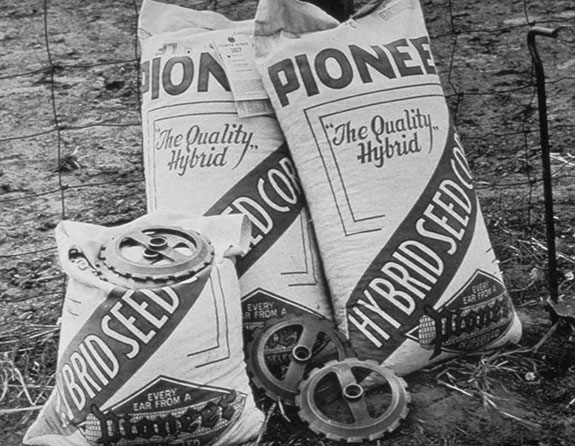
Figure 1. Bags of Pioneer seed corn in the 1940s.
Henry A. Wallace began questioning these seed selection tactics as a method for improving yield when he was just sixteen years old. Experiments Wallace conducted in 1904 as a teenager on three acres in his family’s garden on the west side of Des Moines began an interest in methods for improving corn yield that would lead to the founding of the Hi-Bred Corn Company two decades later. After graduating from Iowa State College in 1910, Henry A. Wallace worked as a writer and editor for his family’s weekly farm publication, Wallaces’ Farmer, but actively maintained his interest in improving corn genetics.
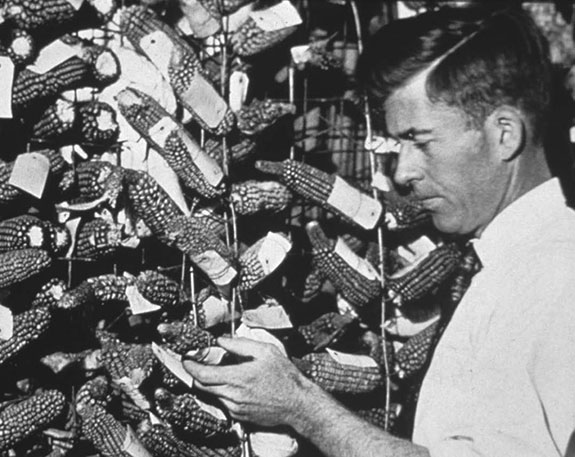
Figure 2. Henry A. Wallace organized a group of Des Moines businessmen to form the Hi-Bred Corn company, which was incorporated in Iowa on April 20, 1926.
Wallace was one of the first people to understand the significance of the methods for hybridizing corn that were first published by George Shull in 1909 and further developed by Edward East at the Connecticut Agricultural Experiment Station. Wallace began corn-breeding experiments in 1913 near his home on the west side of Des Moines. Many land-grant colleges were also establishing hybrid corn breeding programs at this time and Wallace established working relationships with several of them. Wallace was an early proponent of the need for scientific yield testing to determine the best performing corn varieties. He, along with Professor H.D. Hughes of Iowa State College, was largely responsible for starting the Iowa Corn Yield Test in 1920.
Formation of the Hi-Bred Corn Company
| “A revolution in corn breeding is coming which will affect directly or indirectly every man, woman and child in the corn belt within twenty years.” |
Five hybrids from crosses containing inbreds created by Henry A. Wallace, including Copper Cross, were entered in the 1924 Iowa Corn Yield Test. These were some of the first hybrids entered in the test and all five finished near the top against the best open-pollinated varieties of the day. Based on the success of his hybrids in the Iowa tests, Henry A. Wallace confidently and prophetically concluded the lead article in the March 25, 1925, issue of Wallaces’ Farmer with the following, “A revolution in corn breeding is coming which will affect directly or indirectly every man, woman and child in the corn belt within twenty years.” Convinced that hybrids would revolutionize corn production and farmers, Henry A. Wallace organized a group of Des Moines businessmen to form the Hi- Bred Corn company, which was incorporated in Iowa on April 20, 1926.
Farmer Adoption of Hybrid Corn
In early 1933, Henry A. Wallace left Iowa for Washington D.C. to join Franklin D. Roosevelt’s cabinet as Secretary of Agriculture. He turned the supervision of the Hi-Bred Corn Company over to associates who were already running most of the daily operations. Pioneer was added to the company name in 1935 to differentiate it from other companies and reinforce its place as an innovator in the breeding and sale of hybrid corn seed.
In 1935, only around 6% of Iowa corn acreage was being planted to hybrids, as most farmers continued to save seed from their own fields. Farmers were not accustomed to purchasing new seed each year, the seed was expensive to produce and it was in short supply. The situation began to quickly change in the mid-1930s. Yield tests and farmer experience during the Dust Bowl years from 1934 to 1940 demonstrated hybrids to be vastly superior to open-pollinated varieties under drought stress. Once farmers had solid evidence of the benefits of hybrid corn, the transition away from open-pollinated varieties was rapid. In 1938, hybrid corn occupied 50% of Iowa corn acres and adoption was nearly 100% by 1942.
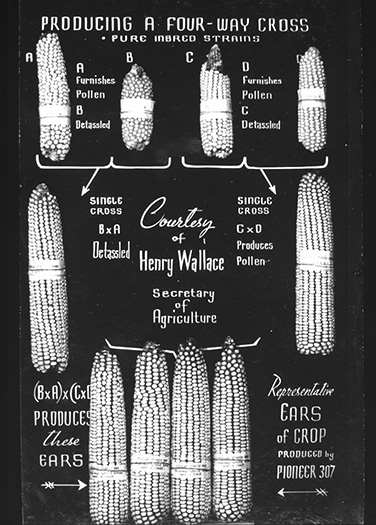
Figure 3. The earliest commercial hybrids were double-crosses, with two pairs of inbred parent lines. Plants of a double-cross are not as uniform and high-yielding as those for a single-cross, but the seed can be grown at lower cost, and they exhibited greater vigor and performance than the open-pollinated corn varieties.
U.S. Expansion of the Pioneer Hi-Bred Corn Company
Pioneer expanded rapidly along with the adoption of hybrid corn. By 1945, Pioneer had 10 corn breeders, and Pioneer hybrids were being processed in 12 production plants spread across Iowa, Illinois and Indiana. Pioneer’s annual participation in the Iowa Corn Yield Test, official performance tests in other states, and publishing of the results in Wallaces’ Farmer were major drivers for the acceptance of hybrid corn and growth of Pioneer. By 1940, Pioneer hybrids had begun to dominate official yield tests in Illinois, Michigan, Minnesota, Missouri, Nebraska and South Dakota. Even as competition from other companies began to build, Pioneer hybrids almost made a clean sweep of first place honors in the 1949 Iowa test.
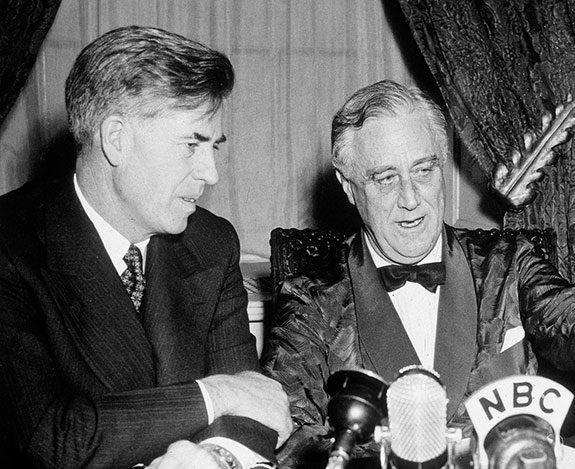
Figure 4. Henry A. Wallace served as the U.S. Secretary of Agriculture from 1933-1940, the 33rd Vice President of the United States from 1941-1945 and the U.S. Secretary of Commerce from 1945-1946.
Pioneer Leadership in the Seed Corn Industry
As the first company devoted solely to marketing hybrid corn seed, Pioneer was instrumental in establishing many industry norms that are still in practice today. These included:
- advertising in farm periodicals,
- local seed representatives,
- plants exclusively for processing corn seed,
- artificial drying,
- more precise grading of kernel sizes and shapes,
- germination and vigor testing standards,
- standardized maturity recommendations,
- seed treatment,
- planter setting recommendations for each seed lot,
- two or more product test plots per county,
- product field days,
- grain quality testing and
- free seed for replanting.
Many of these efforts were initiated by J. J. Newlin, a founder and first general manager of the Hi-Bred Corn company. In addition to being responsible for sales and promotion, Newlin was responsible for seed production in Johnston, Iowa from the founding of the company until retiring from Pioneer in 1968. Nelson Urban, the company’s first business and sales manager, helped establish the farmer-dealer Pioneer sales representative system, which utilized respected farmers to promote and sell seed to their neighbors.
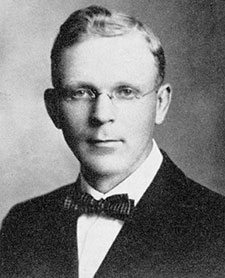
Figure 5. J. J. Newlin, 1925.
James W. Wallace, brother of Henry A., was influential to the success of Pioneer for more than four decades starting as Secretary when the company was formed and concluding as Chairman of the Board in 1969. James and sales director Nelson Urban codified four principles that continue to guide Pioneer today. Originally jotted on the back of an envelope in preparation for the 1951 Pioneer sales Christmas party, they were published in a small booklet titled, The Long Look, in 1952. These guiding principles were written as simple statements describing how Pioneer offers quality products, honest product information, aggressive marketing without misrepresentation and management advice for getting optimum profits from Pioneer products.
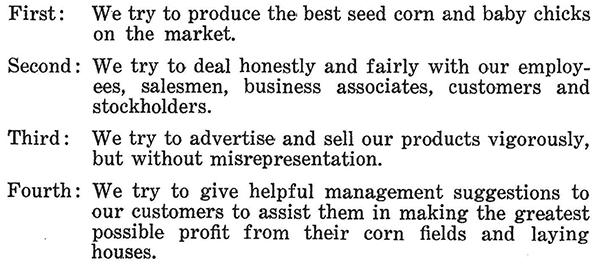
Figure 6. The four points of The Long Look, as originally written by James Wallace and Nelson Urban in 1952. The original wording is reflective the fact that Pioneer was also in the chicken breeding business at the time. Later revisions dropped the references to chickens after the Hy-Line poultry business was spun off in 1978.
Pioneer Hybrid Numbering System
The earliest hybrids sold by the Hi-Bred Corn Company were assigned three digit numbers in which the first two digits indicated the year of delivery (28 = 1928) and the third digit was either 1, indicating flat seed, or 2, indicating round seed.
Beginning in 1930, all new hybrids began with a 3. This numbering convention of three-digit numbers starting with 3 was maintained beyond the 1930s, up until 1960 when a fourth digit was added. Many hybrid numbers in the 300 series were used multiple times over the years. Hybrid numbers continued to start with 3 until the numbering system was completely reworked in 2009.
Pioneer Hybrid Numbering Convention Examples:
| 307 - 1930-1961 | P1151HR - 2009-2022 |
| 3780 - 1960-1996 | P05737PCE - 2023-present |
| 33W84 - 1997-2008 |
International Expansion
Pioneer expanded operations into Ontario through the formation of the Pioneer Hi-Bred Corn Company of Canada in 1946. By the 1960s, the North American hybrid seed corn market became saturated with little unit growth, forcing a higher level of competition. This led to Pioneer concentrating on development of overseas operations, establishing joint ventures outside the U.S. and Canada. Pioneer breeding efforts during this era focused on delivering ever higher yields, faster dry down, easier shelling by combine harvesters and increasing the number of generations of inbreeding per year using winter nurseries in Hawaii. Beginning in 1960, hybrid naming was expanded to a four-digit number but continued to use 3 as the first digit. Seed bags were switched from cloth with blue, red and yellow printing to the now familiar gold and white paper bag with the Pioneer trapezoid symbol and name in green in 1965.
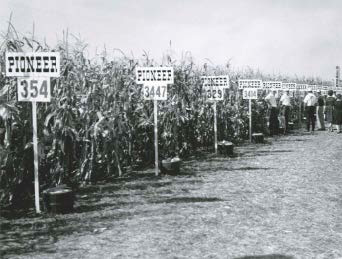
Figure 7. A Pioneer hybrid show plot. The presence of both three and four-digit numbered hybrids places this scene in the early 1960s.
Pioneer Takes the Lead in Agronomy Support
Pioneer began to differentiate itself from other corn seed companies in the 1950s and 1960s through their crop management service and support. One of the first formal Pioneer crop management publications was Keys to Corn Profits, which was first produced in the 1950s and continued up through the 1970s. A Pioneer Technical Services Department was formed in 1962 followed by the addition of full-time field agronomists in 1965. The principal activities of the early Pioneer Agronomists were to train the Pioneer salesmen, lead customer meetings over the winter and make follow-up customer contacts during the spring. These efforts rapidly built a reputation for Pioneer for providing customers the highest level of agronomy support in the industry.
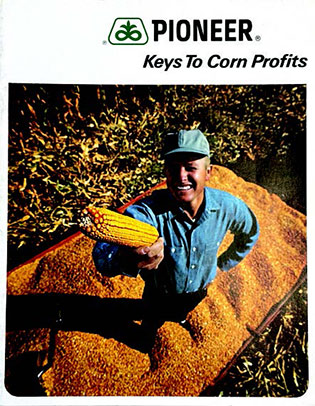
Figure 8. Keys to Corn Profits booklet from 1968.
Pioneer Differentiation in the Marketplace
During the first five decades of the hybrid corn industry, inbreds were developed by Land Grant Universities and private entities, like Pioneer. Crosses between university-derived inbreds were prevalent in the seed corn industry into the 1970s. The B lines (B17, B37, B73), also known as Iowa Stiff Stalk Synthetics, developed by Iowa State University were of particular importance.
Since its inception, Pioneer took a different approach by heavily investing in its own inbred line development. These efforts paid off greatly in the 1970s, as the strong performance of Pioneer hybrids led to a rapid expansion in corn market share. Much of this rapid growth can be attributed to a breeding project started in 1942 by Raymond Baker. Baker was the second employee hired by Henry A. Wallace in 1928. He spent over four decades managing Pioneer corn breeding programs, retiring in 1971. Baker obtained seed of “Iodent” corn, a Reid Yellow Dent, from Iowa State College. Through many selection cycles, Pioneer plant breeders optimized the performance of Iodent inbred lines.
The Iodent germplasm is now recognized as a third heterotic group of inbreds for creating corn hybrids in addition to the stiff-stalk germplasm originating from Iowa State University and non-stiff-stalk inbreds. These lines, as well as other Pioneer-developed inbreds, produced industry-leading corn hybrids that outperformed other popular products. This performance was rapidly recognized by farmers and Pioneer corn sales in North America increased by 2.5 million units between 1972 and 1977. The unique and proprietary germplasm developed by Pioneer was a clear differentiator in the marketplace and by the early 1980s, the era of university-derived corn inbreds had passed.
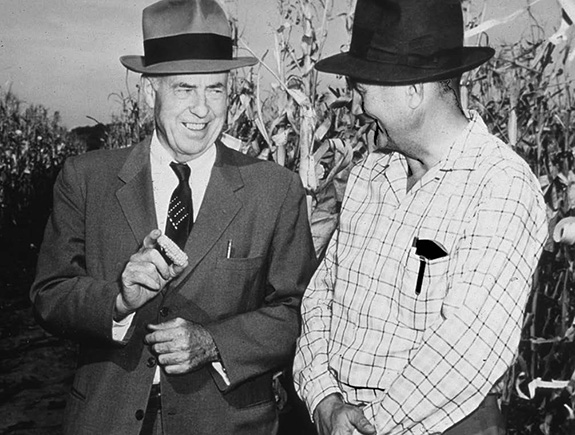
Figure 9. Henry A. Wallace (left) and Raymond Baker (right). Baker’s focus on rigorous scientific methods in the development and testing of hybrids built the foundation for Pioneer’s rapid growth in the U.S. and around the world.
Expansion of Pioneer Research and Development
Pioneer positioned itself as the leader in improving corn genetics through its large network of breeding stations, utilizing higher planting density stress for selecting inbreds and hybrids, extensive use of wide-area testing across the various conditions encountered throughout the U.S. and Canada, performing a vast number of on-farm hybrid comparisons and computer-based information management. Establishment of a research station at York, NE in the early 1950s and screening of crosses at locations throughout the dryland areas of the U.S. High Plains were critical to improving the resistance of corn to drought.
A four-row cone research plot planter was developed by Pioneer in 1968, allowing a small crew to plant many more plots in less time than previous methods. This was soon followed by modification of combines to rapidly weigh and sample corn as it was harvested. Research plots were placed in customer fields beginning in 1973, allowing expansion of the number of trial locations.
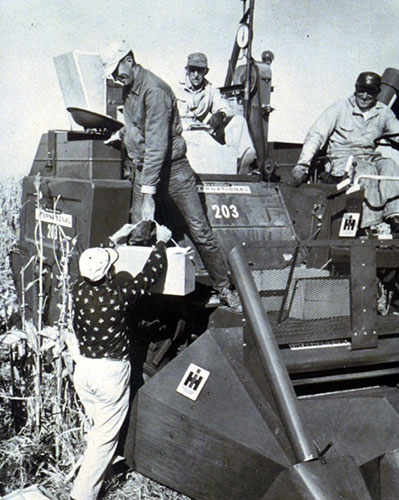
Figure 10. Harvesting research plots in the 1960s.
Pioneer Business Grows and Evolves
Prior to 1970, Pioneer was a federation of geographically based companies across multiple U.S. states, Canada and outside North America. Each of these companies purchased its parent seed from Pioneer’s centralized research division but was responsible for its own operations. In 1970, Pioneer operations were reorganized into a single entity for the U.S. with a separate division overseas and renamed Pioneer Hi-Bred International. These changes brought greater uniformity to company policies, pricing, and promotion.
In 1973, the company became incorporated as Pioneer Hi-Bred International, Inc. with its first public offering of company stock. At the time, Pioneer had 79 scientists and technicians employed in research. There were 21 research stations for seed corn located in 13 states and five countries. Seed was produced under arrangements with 640 independent farmer growers and processed in 15 seed corn production plants located in Illinois, Indiana, Iowa, North Carolina and Texas. Sixty-five corn hybrids were being marketed primarily through 2,500 independent dealers, and to a much lesser extent through 2,000 agricultural retailers. Annual worldwide sales of Pioneer corn seed surpassed 10 million units in 1980.
Growth in Pioneer Agronomy Support
Two company restructurings during the 1980s expanded on-farm agronomy research and service to farmers. The first of these occurred in 1986 and involved a significant expansion in the number of commercial Pioneer Agronomists. Delivery of agronomy information underwent a substantial leap forward in quality, sophistication and coordination during this time as well. Walking Your Fields, an agronomy newsletter delivered to customers by mail, was established in 1982. This newsletter rapidly became the go-to source of agronomic information for farmers across North America and continues to be a valued source of timely agronomy information to this day as an email. Several other newsletters and publications used by Pioneer Agronomy up through the present day also have their origins in this era.
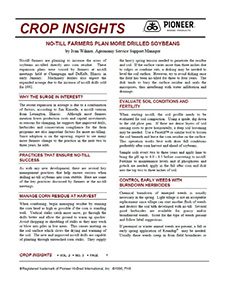
Figure 11. Pioneer Crop Insights from 1992.
Industry Changes
The seed industry went through extensive changes in the 1990s as the commercialization of the first biotechnology traits reshaped the business landscape. Monsanto had positioned itself as a major competitor to Pioneer by developing and marketing insect protection and herbicide tolerance biotech traits. They also acquired Asgrow, Holden Foundation Seeds and DeKalb Genetics Corporation. Pioneer began searching for a partner that would allow them to spend the research and development dollars to compete under the new reality biotech crops presented and found it in DuPont Co.
In 1997, DuPont acquired a 20% stake in Pioneer and the companies formed a joint venture called Optimum Quality Grains LLC. In 1999, DuPont acquired the remaining 80% of Pioneer bringing together DuPont’s desire to increase its presence in the life sciences and Pioneer’s expertise in seed development, production and distribution. Pioneer continued to operate under the Pioneer name as Pioneer, A DuPont Company and remained headquartered in Des Moines, Iowa.
Rapid Adoption of Biotechnology
Pioneer began developing its own proprietary trait technologies in the 1980s by organizing a genetic transformation team and creating its first laboratory transformation in 1990. This early research got a boost when Pioneer entered a research partnership with Mycogen Corporation in 1991. Through a series of acquisitions and buyouts, Mycogen was absorbed into Dow Agrosciences LLC in the late-1990s. The collaboration on insect protection technologies allowed Pioneer and Dow AgroSciences to pool their talents to research, develop and seek regulatory approval for the Herculex® family of insect protection traits. Pioneer introduced the Herculex® I corn protection trait in 2003. It controlled above-ground insects by expressing the Cry1F Bt protein, which had a different molecular structure than other Bt traits being sold at the time. In 2006, Pioneer released the first hybrids containing the Herculex RW gene for transgenic corn rootworm control.
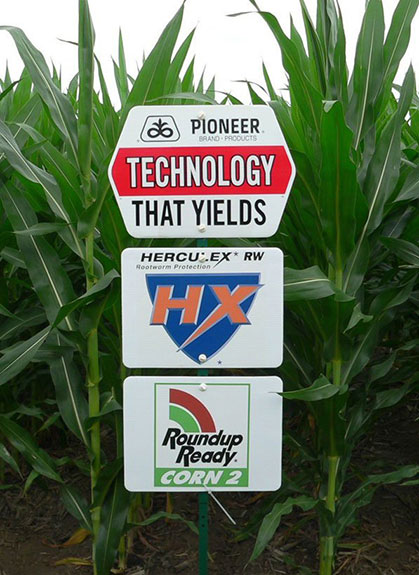
Pioneer first offered herbicide tolerant corn hybrids with the introduction of imidazolinone-resistant (IR) corn in 1992. These hybrids were first marketed as IMI corn and rebranded as Clearfield® corn in the late 1990s. Pioneer developed an IR inbred line using plant tissue culture techniques. Because transformation from another species was not required, the IR trait was considered non-GMO. Pioneer® brand corn hybrids with the LibertyLink herbicide tolerance trait were introduced in the late 1990s. For the 2003 planting season, Pioneer introduced corn seed products containing the RoundUp Ready herbicide tolerance trait.
Farmers around the world recognized the value of biotechnology and adopted products resulting from their use at an amazing pace. Major benefits to planting corn hybrids containing plant-incorporated insect protectants and herbicide tolerance included increased yield, improved harvestability and reduced risk. By 2005, biotech seeds had been planted on more than one billion acres. By 2010, 86% of U.S. farmers were planting corn hybrids containing traits developed with genetic engineering. A major development occurred with the introduction of the Optimum® AcreMax® (OAM) family of insect protection traits in 2011. These products from Pioneer offered growers additional choices to help reduce refuge, maximize yields and preserve valuable Bt technology. OAM products were the industry’s first corn products with a single-bag integrated refuge product target at above-ground insect pests.
R&D Expansion in the Biotechnology Era
The development and introduction of biotech crops required new ways of breeding, producing seed and doing business. This included expansion of winter production, trait integration capabilities, breeding stations and the number of employees; addition of advanced genotyping facilities, phenotyping capabilities and field-testing methods; expansion of the regulatory group; improvements to seed handling and quality assessment; and providing farmers with information and digital tools for improving their operations.
The need to rapidly introduce biotech traits to farmers required a significant investment in winter seed production in both research and development and seed production, with major expansions and new locations in Hawaii, Puerto Rico and Chile. To enhance the development of base genetics, new breeding stations were opened in Champaign, Illinois; LaSalle, Colorado; and Brookings, South Dakota. The site at LaSalle was equipped with highly controlled and sophisticated irrigation capabilities, including drip technology that allowed researchers to better focus on drought evaluation efforts. In 2006, Pioneer announced an expansion of R&D efforts at 67 of its 92 research centers worldwide. This was followed by the addition of more than 400 employees in 2007.
A three-year investment beginning in 2004 allowed Pioneer to speed up the development and dramatically grow the supply of products with triple stacks of corn rootworm protection, corn borer protection and herbicide tolerance. The Accelerated Trait Integration process developed by Pioneer researchers facilitated the combination of base genetics with key traits one to two years sooner than previous methods. The heart of the Accelerated Trait Integration process was making the inbred conversions earlier in the development pipeline to allow advanced research testing to be conducted on the desired stacked combinations for all pre-commercial hybrids in the pipeline. This required aggressively integrating technology traits early in the development process, increasing the number of growing cycles per year by using numerous tropical and temperate locations throughout the world and use of molecular markers to ensure optimal conversions were obtained.
Leadership in Precision Agriculture
The initial commercialization of biotech seed occurred simultaneously with the advent of precision farming technologies. Differential GPS systems from the U.S. Coast Guard and Federal Aviation Administration, as well as similar agencies in other countries began to broadcast local GPS corrections in the 1990s, which provided farmers and agricultural retailers with geospatial information they could use to more precisely apply and track crop management products and crop yields. Pioneer was an early leader in helping farmers get the most value out of these new technologies. A Precision Farming group was established in the late 1990s and began work on combine yield monitor accuracy and how to best use variable rate planting systems. The group also worked directly with Pioneer sales representatives who offered their customers precision farming services.
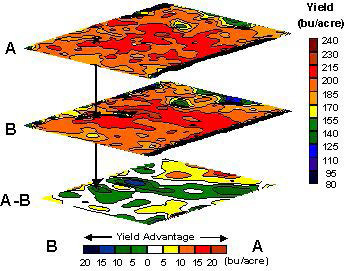
Figure 12. Diagram of GIS layers used to create a yield difference map for a Pioneer split-planter trial, 1996.
Beginning in 1996, Pioneer leveraged precision farming technologies to develop and introduce the split-planter method of evaluating farming inputs and practices. It was a simple, low-cost technique that simply required placing a different product in each half of the planter. The split-planter method has been used to compare hybrids, tillage treatments, pesticide selections, nutrient applications or any pair of agronomic treatments. Combine yield monitors and geographical information systems were used to create a yield difference map from the two treatments.
Introduction of the PROBOX Seed Handling System
Pioneer continued as an industry leader in seed handling, production and quality assurance throughout the biotech era. The PROBOX bulk seed handling system was introduced exclusively to Pioneer customers in 1998 and made available to the rest of the seed industry in 1999. Made of rigid, injection-molded plastic, these rectangular containers hold 2,500 pounds or 50 “traditional bag” equivalents of seed and could be moved and unloaded using a heavy-duty forklift or a forklift attachment for a tractor. They stacked easily and unloading seed was made simple with a center drain hopper.
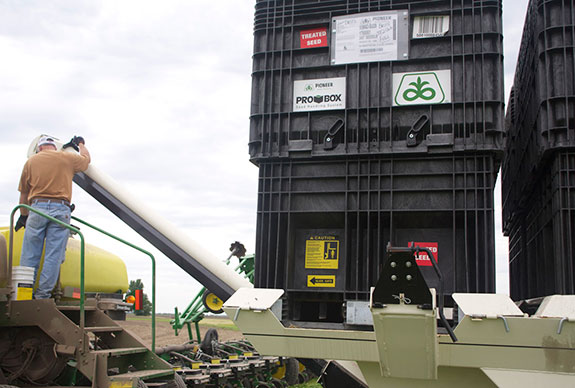
Figure 13. Pioneer introduced the PROBOX bulk seed handling system in 1998.
Continued Focus on Seed Quality
For many decades, Pioneer has tested its seed for germination, vigor, genetic purity, trait purity, size and plantability to ensure its customers have high-quality seed. These efforts were enhanced with the introduction of new technologies and expansion of the Beal Seed Quality Lab in Johnston, Iowa in 1997 and the seed quality lab in Tipton, Indiana in 2007. Both expansions allowed more than 125,000 tests to be conducted annually, making them among the world’s largest seed labs.
The Pioneer Stress Test (PST), a proprietary vigor test used on all Pioneer brand corn products, was developed in the early 2000s to ensure growers get the highest quality seed for planting. This test imposes extreme imbibitional chilling and anaerobic stresses, beyond that of the industry-standard saturated cold test. Over many years of use, it has proven to be more predictive of hybrid performance under extreme cold stress and to provide better differentiation among genetics and seed lots. The Pioneer Stress Test allows for optimal separation between high and low quality. It can detect small differences in vigor that may indicate a seed lot that needs to be discarded. Its use has provided customers with confidence that every batch of seed the plant meets Pioneer’s industry leading seed quality standards.
Molecular Technologies Revolutionize Plant Breeding
While much of the public focus on biotech has been on transgenic crops, other molecular technologies have resulted in substantial advances in plant breeding and seed product development in recent decades. Foremost among them are the use of molecular markers, doubled haploid techniques and managed environments. DNA markers, also known as molecular markers, have been used by Pioneer since the 1980s for improving disease resistance, genotype identification, purity assessment and to protect intellectual property within its proprietary germplasm.
A genomics program using molecular markers was started in 1996. Pioneer began using genomic selection in the early 2000s to breed for quantitative traits affected by many genes, such as yield and drought tolerance.
Before the use of genomic selection, breeders were limited to using visual observations and yield data to evaluate varieties and make selections. With genomic selection, genetic markers spread across the genome, pedigree information and phenotypic data have been integrated to predict performance of experimental lines before they are field tested. With genomic selection, Pioneer scientists have been able to understand the genetic basis for what they are seeing and use this knowledge to design and select better inbreds and combine them to produce superior hybrids. Pioneer Optimum® AQUAmax® corn hybrids were the first seed product concept delivered using DNA markers covering the entire corn genome to improve quantitative traits, in this case increased drought tolerance.
Breeding Innovations Leveraged a Broad and Deep Germplasm Library
| The breadth and depth of its germplasm has remained a key differentiator for Pioneer for a century. |
The innovations introduced through genomic selection were built upon the most diverse and well-characterized germplasm library in the industry. The breadth and depth of its germplasm has remained a key differentiator for Pioneer for a century. Pioneer can trace each of its corn products to its first inbred development program that began in 1920. Over the years its germplasm library has grown to be one of the industry’s largest and most robust, giving our breeders a considerable advantage to create new hybrids that meet local needs. All hybrids sold in Pioneer brand bags continue to be genetically different from those of other corn seed brands. With the expansion of experimental lines created by Pioneer corn researchers and high standards of performance, less than 0.01% of hybrids tested now make it into a Pioneer bag.
In 2017, an analysis of 30 years of Pioneer trials showed that not only had breeding and technology traits increased corn yield but had also significantly improved yield stability. For the first 80 years of hybrid corn, yield gains came mainly from increased stress tolerance that allowed more plants to be grown per acre. Ear size and kernel size remained relatively unchanged. More recently, studies have indicated that the yield per plant is now increasing. With modern hybrids, planting more plants per acre continues to propel yield, but there is also stability that old hybrids did not possess. Over the duration of the study, average corn yield over all locations at the agronomic optimum plant density increased from 135 bu/A in 1987 to 188 bu/A in 2015, representing an overall yield gain of 53 bu/A. With new genetic technologies, breeders found a level and class of genetic response that was previously hidden.
Ownership Changes
The early 2010s brought another round of sweeping changes to the agricultural industry. In December 2015, it was announced that DuPont and Dow would merge. This merger was driven in part by conditions within the agriculture economy. Low corn and soybean prices, and high costs for land, equipment, fertilizer and other chemicals had driven down farming income for consecutive years. Commodity prices during this period had been putting immense pressure on the revenues and earnings for the major publicly traded agriculture input providers. Within a couple years of the announced merger of DuPont and Dow, Syngenta was purchased by ChemChina and Monsanto was acquired by Bayer.
The DowDuPont merger closed in 2017. In February 2018, the intended agriculture company was announced as Corteva Agriscience, which became a standalone publicly traded company in June 2019. Pioneer became the flagship seed brand of Corteva Agriscience, providing high-quality seeds to farmers in more than 90 countries. Further changes came in October of 2025, when it was announced that the seed and crop protection businesses of Corteva Agriscience would split into separate companies, with the crop protection business retaining the Corteva name and seed business to operate under a new name.
Looking to the Future
The future of plant breeding promises advancements through genetic tools, precision breeding techniques and climate-resilient crops to address global food security. Key genomic resources include genetic markers, reference genomes, databases, transcriptomes and gene expression profiles. These tools are crucial for identifying genes linked to desirable traits, understanding genetic diversity and accelerating breeding programs. Molecular markers and advanced analytics will continue to enhance traditional breeding by enabling the selection of disease-resistant, drought-tolerant and high-yield plants, leading to faster and more precise crop development.
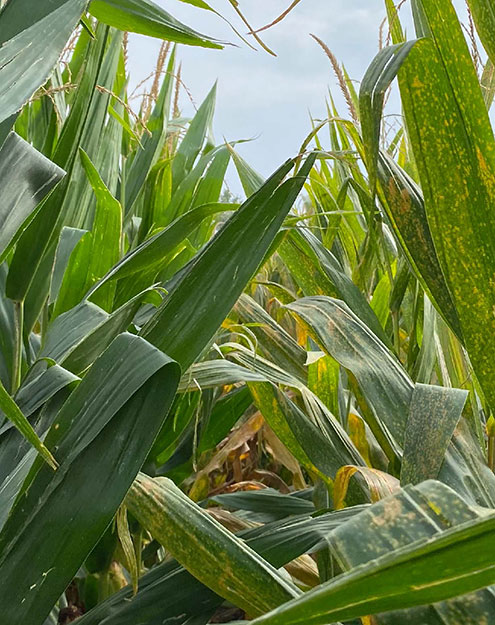
Figure 14. A gene-edited corn hybrid with multi-disease resistance (left) next to a conventional isoline hybrid (right) showing contrasting severity of southern rust (Puccinia polysora) infection. (Johnston, Iowa; September 3, 2025.)
Recently developed genome editing processes have enabled precise alteration of crop traits, accelerating breeding processes. CRISPR, a method of gene editing based on natural defense mechanisms bacteria use to protect themselves from virus invasion, stands out for its affordability, simplicity, efficiency and versatility. Pioneer was an early adopter of CRISPR technology, signing licensing and research collaboration agreements in 2015 with the key academic organizations that discovered that CRISPR could be used to precisely edit targeted sections of an organism’s DNA to achieve a specific outcome. CRISPR is now being used to make changes within a plant’s own genome that otherwise requires time-consuming and costly field breeding approaches. It has immense potential for creating crops with reduced susceptibility to diseases and pests, increased environmental resilience and improved nutritional content and other end-use properties.
The Second Century of Pioneer
Pioneer has a storied history as the seed industry leader for agronomy research, knowledge and expertise. This reputation was built over decades through talented and dedicated people, sound crop management research and timely and accurate crop management information. These investments will allow Pioneer to continue offering growers better products year after year, decade after decade. Pioneer brand products, coupled with industry-leading agronomic support and local sales experts, will continue to deliver strong performance to farmers for years to come.
The foregoing is provided for informational use only. Contact your Pioneer sales professional for information and suggestions specific to your operation. Product performance is variable and subject to any number of environmental, disease, and pest pressures. Individual results may vary. Pioneer® brand products are provided subject to the terms and conditions of purchase which are part of the labeling and purchase documents.